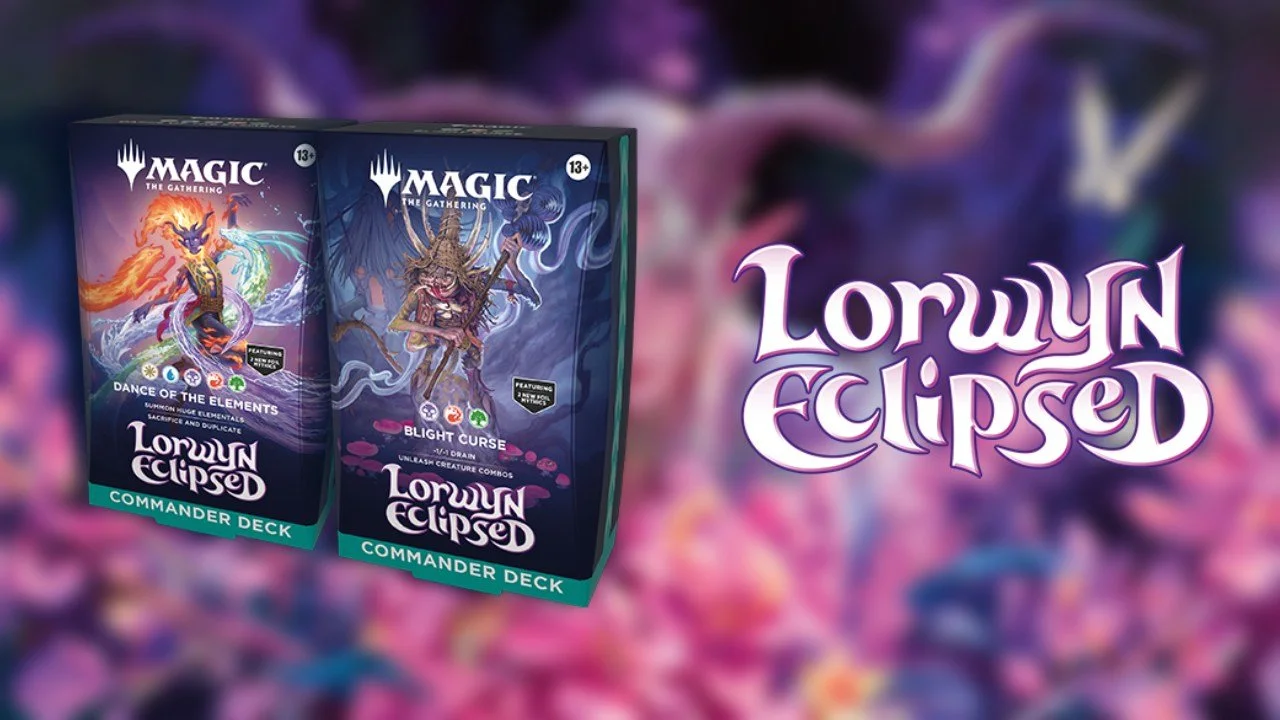
It’s finally time—Lorwyn Eclipsed is here, and it feels like a true return to the roots of Magic: The Gathering. While 2026 is shaping up to be a massive year for Magic, Wizards of the Coast is starting things off strong with an excellent Limited environment and two genuinely distinct Commander precons.
Precons continue to improve with every release, but even the strongest out-of-the-box decks can benefit from a little tuning. If you’re looking to make your deck more consistent this guide breaks down how to upgrade Dance of the Elements, the Elemental-focused precon from Lorwyn Eclipsed.
Table of Contents
Dance of the Elements precon deck overview
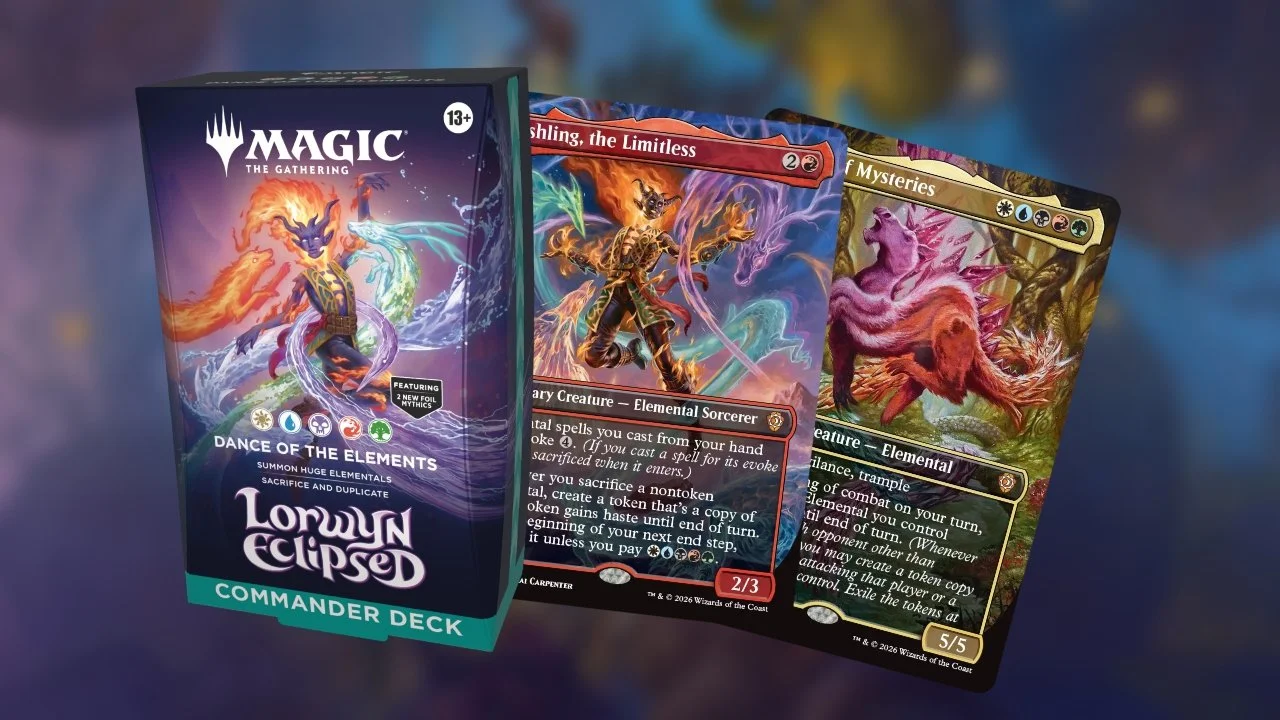
Dance of the Elements is a five-color Elemental deck built around a mix of returning and set-specific mechanics, most notably Evoke, Encore, and Vivid. While all three appear in the list, Evoke is clearly the centerpiece and the mechanic you’ll be leaning on the most.
Encore shows up less frequently, but it plays an important role thanks to a handful of powerful Elemental Incarnations. Encore allows you to exile a creature from your graveyard to create attacking token copies for each opponent, which are sacrificed at end of turn. In this deck, Encore is less about combat damage and more about reusing devastating enter-the-battlefield effects at the perfect moment.
Evoke, however, is where the deck truly comes alive—especially once your face commander is online. Giving every Elemental in your hand Evoke for a fixed cost may seem risky at first, since Evoke normally means sacrificing the creature after its ETB resolves. That drawback is mitigated by the commander’s secondary ability, which lets you pay WUBRG to create a hasty token copy of the Elemental instead. It’s a steep cost, but the payoff is massive: double ETB triggers and immediate board impact. Once your mana is established, this deck can spiral out of control very quickly.
The final pillar of the deck is Vivid, a mechanic that rewards you for playing all five colors. Vivid abilities usually trigger on entry and scale based on the number of colors among permanents you control. Hybrid mana shines here, since it can effectively count as multiple colors, and once your backup commander hits the battlefield, Vivid effects often reach their maximum potential immediately.
Playstyle and Game Plan
Compared to many recent Commander precons, Dance of the Elements plays at a noticeably slower pace. Elementals tend to sit higher on the mana curve, and this deck is no exception. While your commander comes down early to get things started, your primary goal in the early game is simple: ramp aggressively. You want to reach four mana plus WUBRG as quickly and consistently as possible.
Thankfully, the deck has access to strong fixing tools, including a reprinted artifact that can immediately produce all five colors at once. Once that’s online, the engine starts humming. From there, the game plan shifts from setup to execution—looping, copying, and re-triggering your most impactful ETB effects as often as possible.
One key tip when piloting (and upgrading) this deck is patience. Your most powerful Elementals are at their best once your commander is established and your mana is no longer a bottleneck. Holding those creatures until you can extract maximum value is often the difference between a strong turn and a game-ending one.
What cards to upgrade Dance of the Elements?
Dance of the Elements is a strong starting point, but it definitely has some rough edges that become more apparent after a few games. The most immediate issue is the mana base. There are simply too many lands entering tapped, and every tapped land effectively puts you a turn behind. In a deck that wants to reach four mana plus WUBRG as quickly as possible, those delays add up fast.
Another major weakness is protection, or rather the lack of it. The deck is heavily reliant on Ashling and a handful of high-impact Elementals, yet offers almost no way to keep them on the battlefield. Losing your commander once or twice can completely stall your momentum, especially if you’re forced to rebuild your mana afterward.
Speaking of mana, keeping the WUBRG engine running smoothly is crucial. While the deck does a decent job fixing colors, it doesn’t do much to help you reuse key mana sources turn after turn. Adding ways to untap important permanents goes a long way toward keeping your engine humming without worrying about falling short on colors.
You may also notice that while the deck runs a hefty 40 lands, cutting too many of them can be dangerous. Elementals are expensive, and this deck needs consistent access to mana. If you do trim lands, it’s important to replace them with ramp, cost reduction, or fixing that offsets that loss.
Finally, for a deck with minimal protection, the removal package is surprisingly light. If your threats are going to be vulnerable, you need better ways to answer opposing boards, especially ones that don’t care about tribal synergies. That’s something we’ll be addressing directly with these upgrades.
One thing worth calling out before diving in: every upgrade listed below comes in at roughly $60 total. None of these changes are meant to turn Dance of the Elements into a high-end, cEDH-level deck. Instead, they’re focused on smoothing out the precon’s biggest weaknesses while keeping the upgrade path approachable and budget-conscious.
10 cards to add to Dance of the Elements
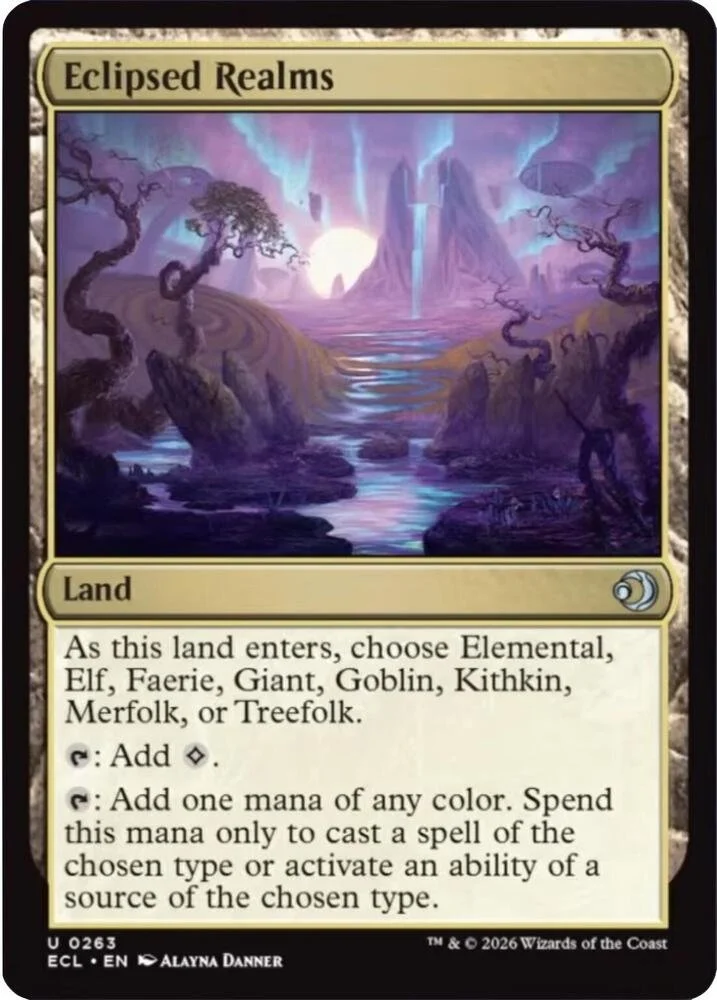
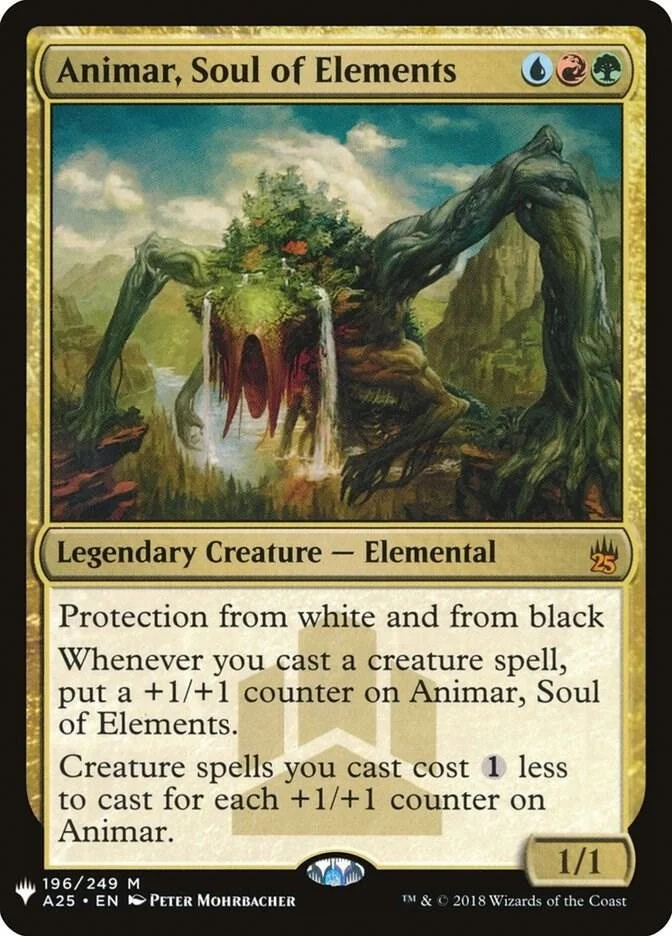
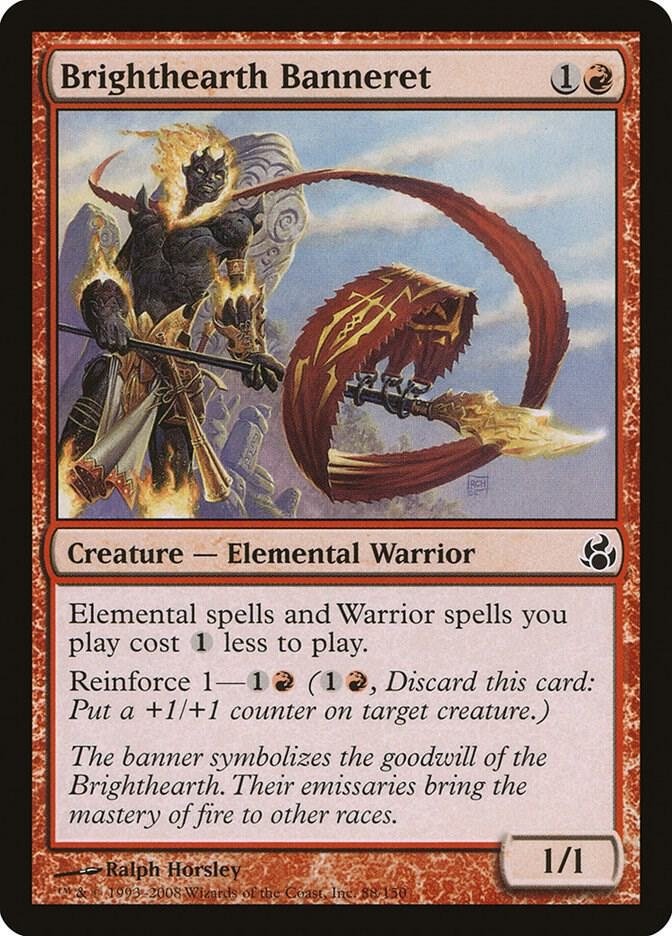
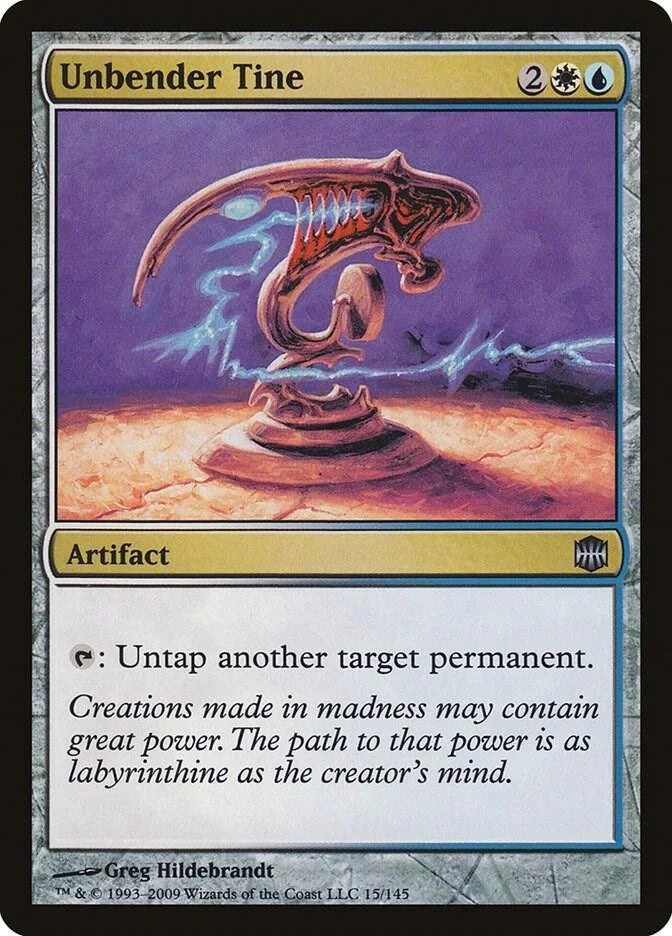

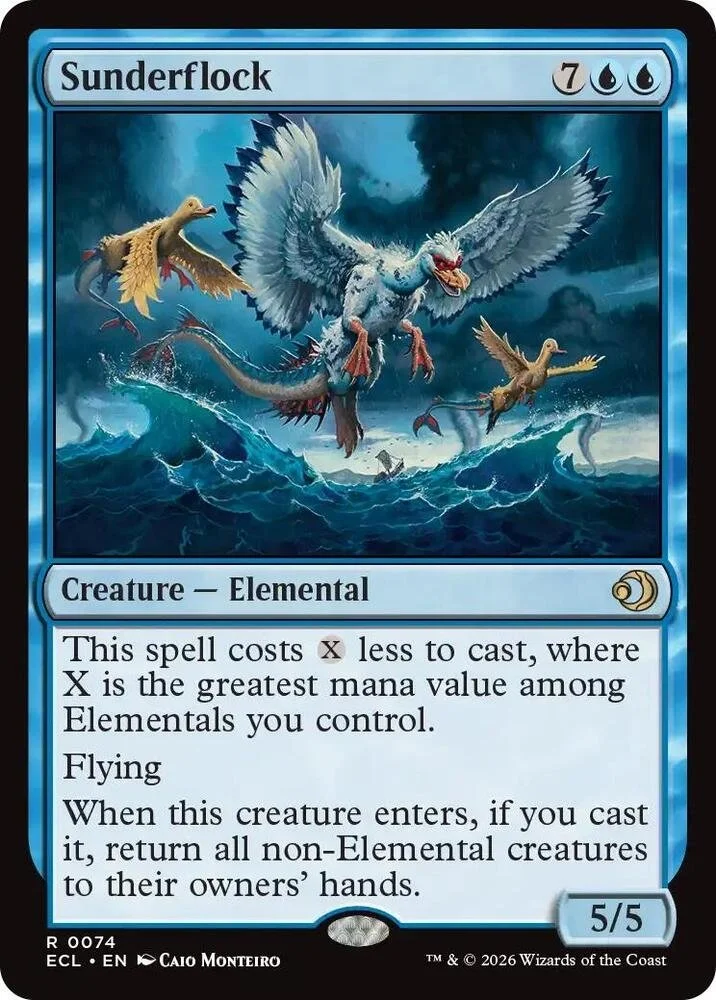
Eclipsed Realms – Excellent tribal mana fixing, letting you produce any color for your chosen creature type.
Animar, Soul of Elements – Grows as you cast creatures and dramatically reduces the cost of your Elementals.
Brighthearth Banneret – Simple but effective cost reduction that adds up quickly over a game.
Unbender Tine – Untaps key permanents like Timeless Lotus to keep your WUBRG engine online.
Lightning Greaves / Swiftfoot Boots / Champion’s Helm – Essential protection to keep Ashling and other key creatures safe.
Sunderflock – Potentially game-ending interaction that bounces all non-Elemental creatures.
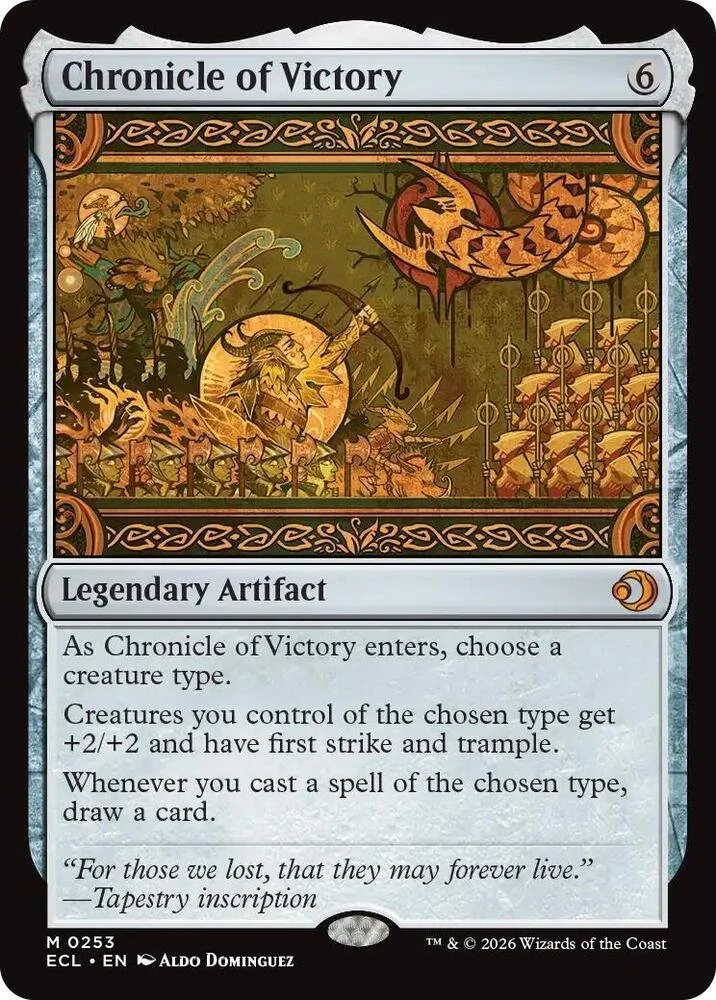
Chronicle of Victory – Card draw plus a massive combat boost, giving Elementals +2/+2, first strike, and trample.
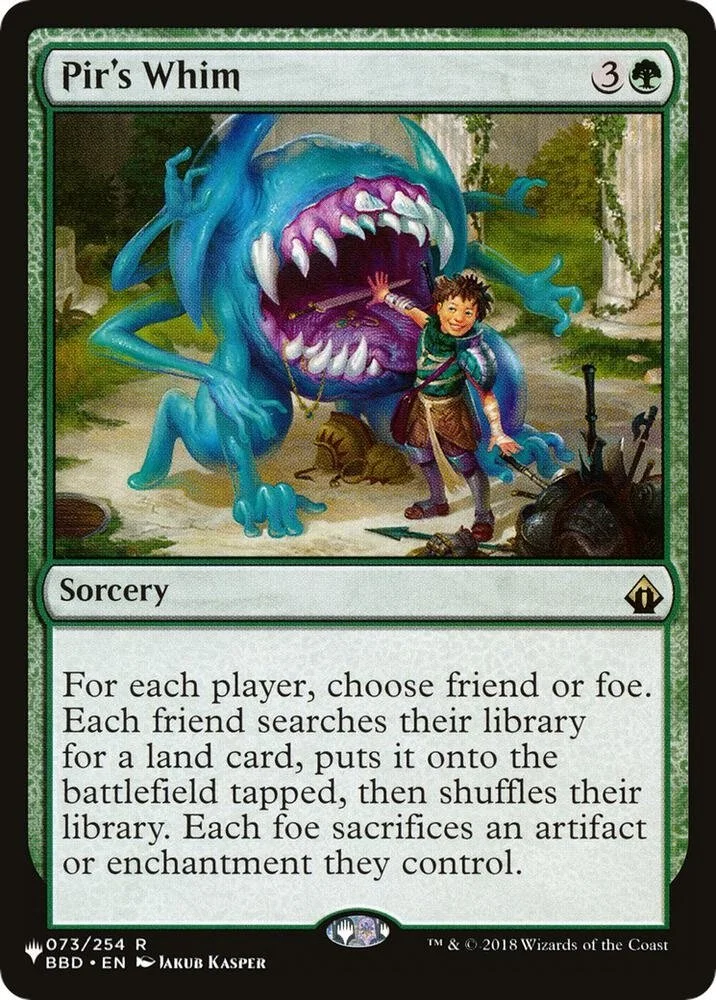
Pir’s Whim – Fetch up to 3 Non-Basic lands and put them on the battlefield
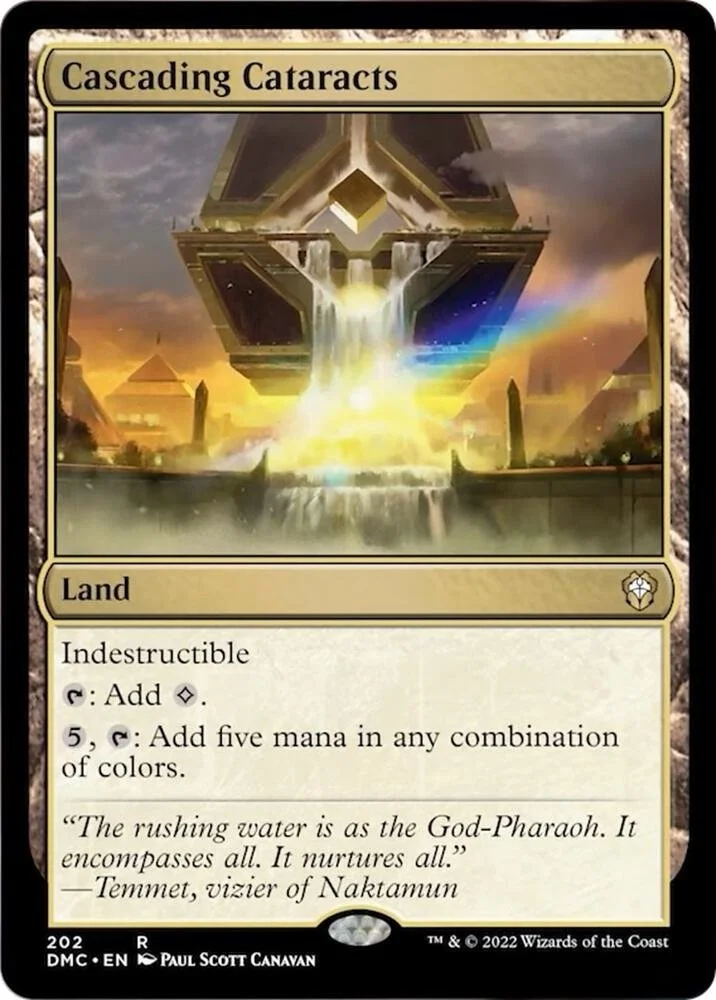
Cascading Cataracts – Turns any five mana into WUBRG, making it easier to activate your commander consistently.
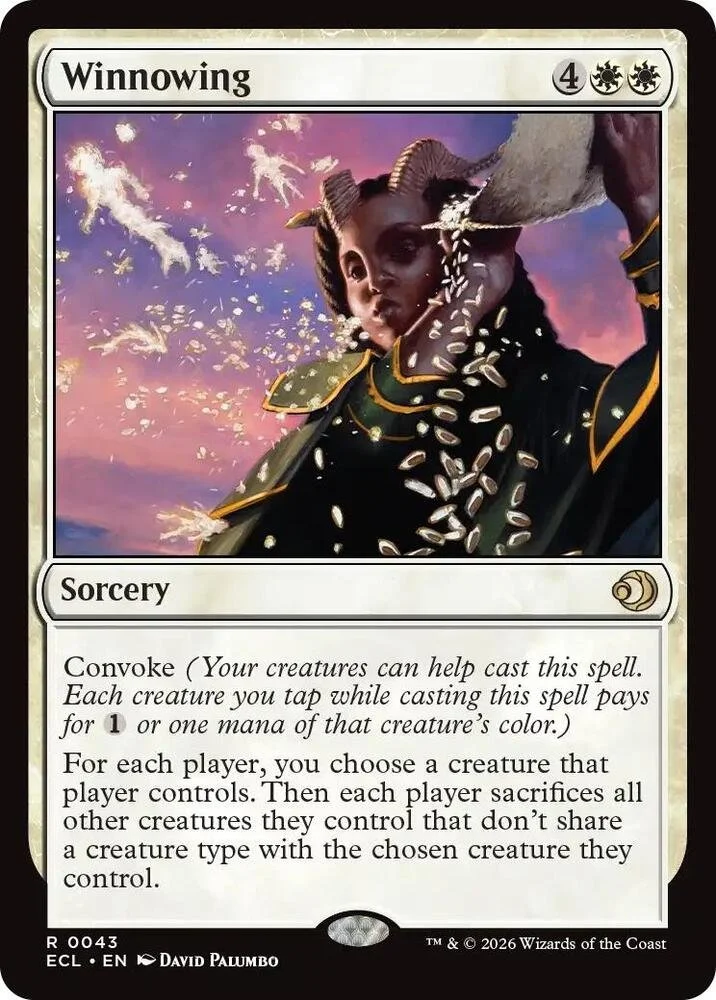
Winnowing – Removal that specifically punishes non-tribal strategies while leaving your board intact.
Honorable Mentions
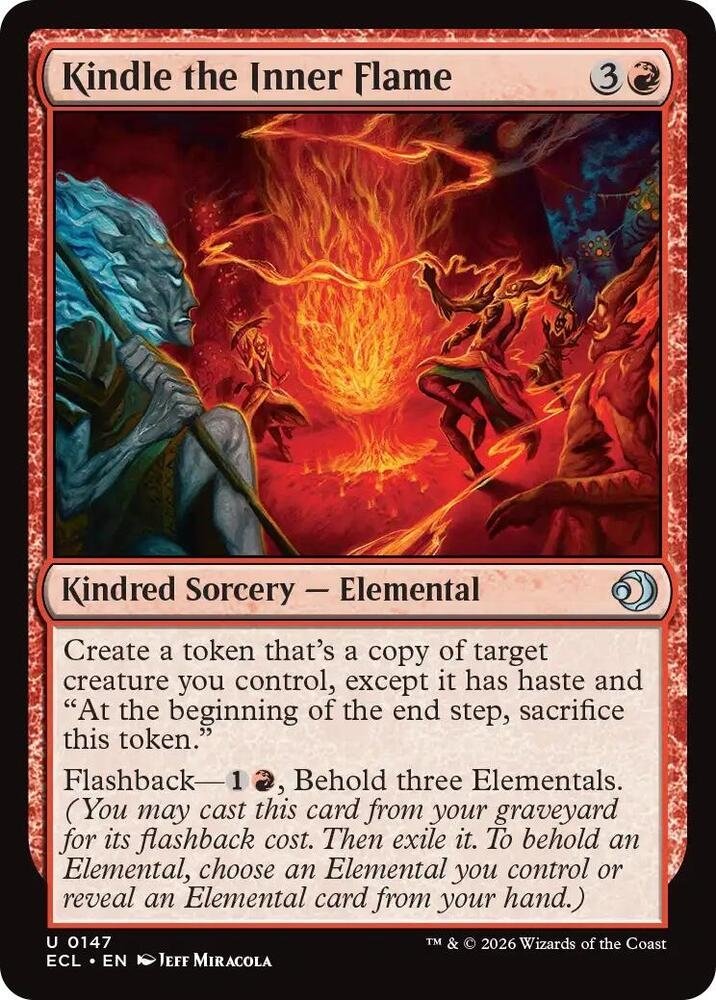
Kindle the Innerflame – A powerful kindred sorcery that creates Elemental copies for explosive turns.
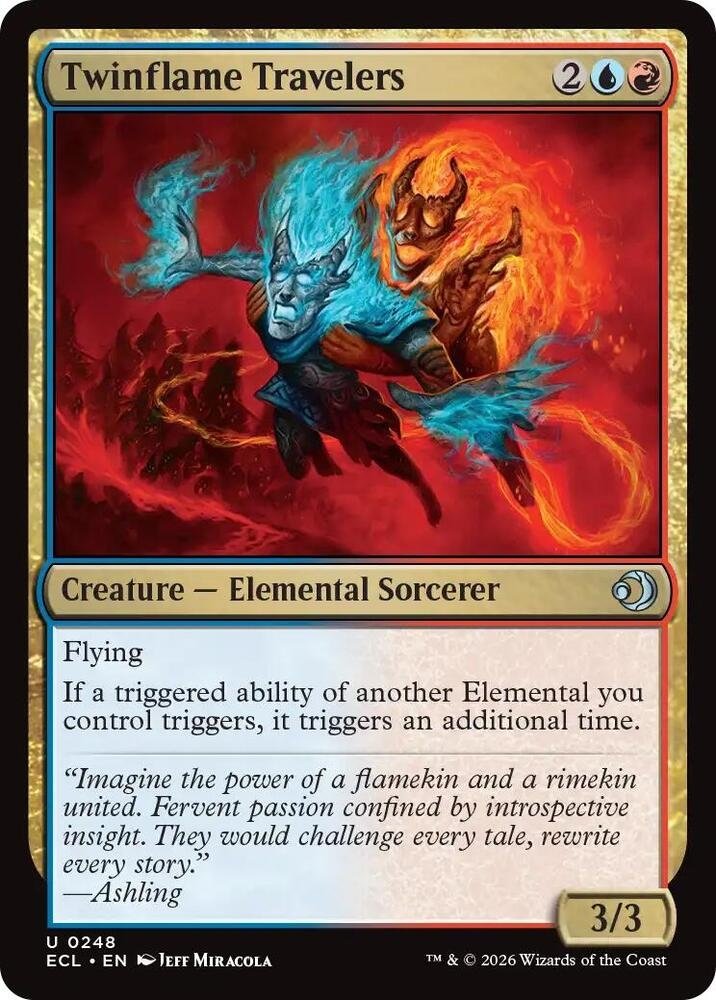
Twinflame Travelers – Doubles down on ETB triggers, which is exactly where this deck shines.
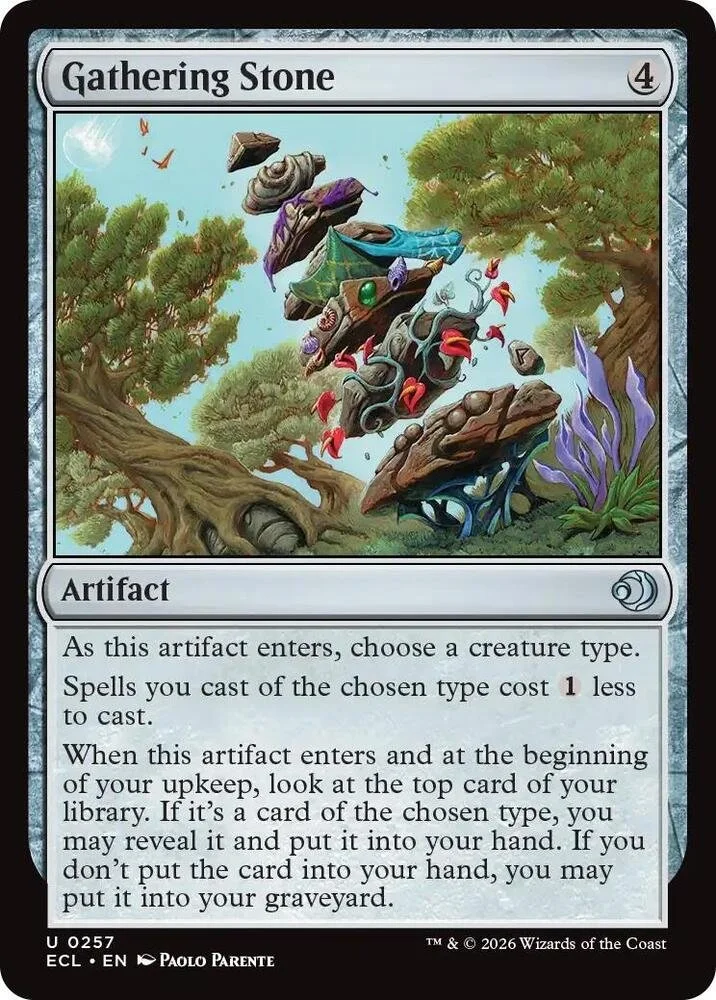
Gathering Stone – Card selection plus additional cost reduction for Elementals.
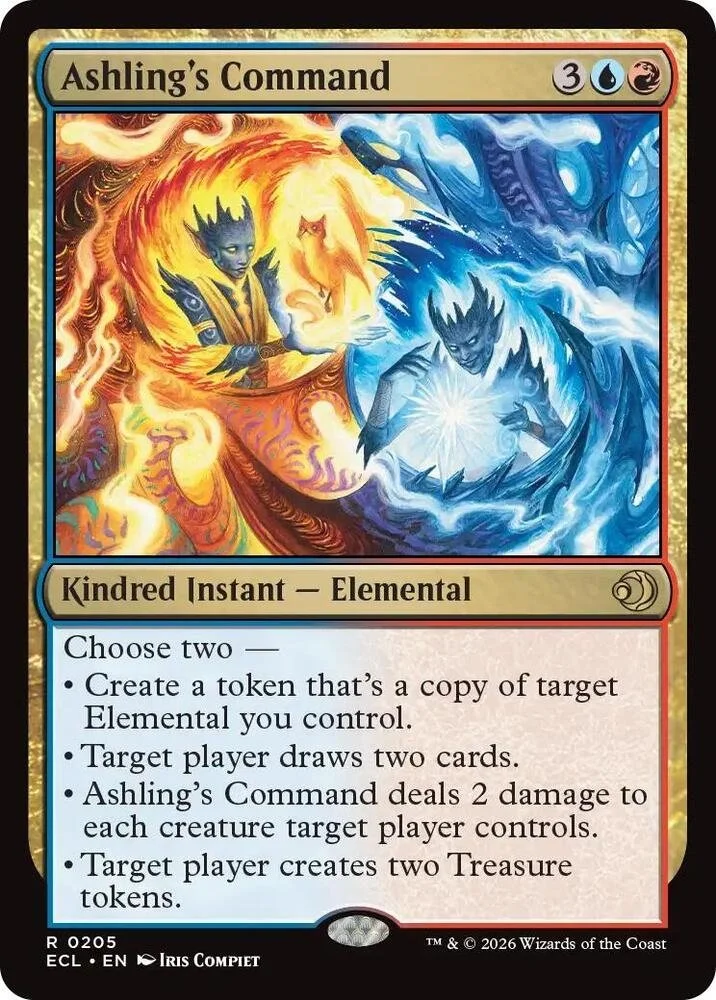
Ashling’s Command – A flexible kindred instant offering creature copies, card draw, damage, or ramp depending on the situation.
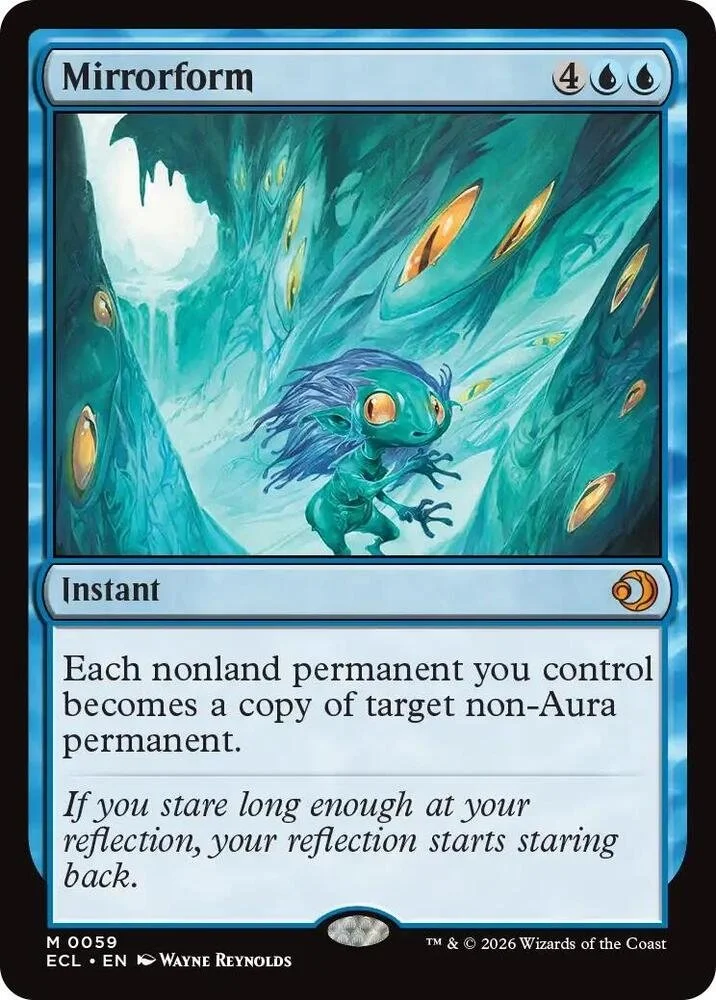
Mirrorform – Enables absurd attack, ETB, or death-trigger setups by turning everything into copies.
What cards to cut from Dance of the Elements?
Once you know what you want to add, the next step is figuring out what needs to go. In Dance of the Elements, most of the cuts fall into three clear categories: lands that slow you down, removal that actively helps your opponents, and support pieces that simply don’t do enough for a five-color Elemental deck.
Tapped lands are the easiest place to start. This deck already wants time to set up, but giving your opponents free turns by playing lands that enter tapped makes reaching WUBRG even harder. Upgrading your mana base means trimming these first.
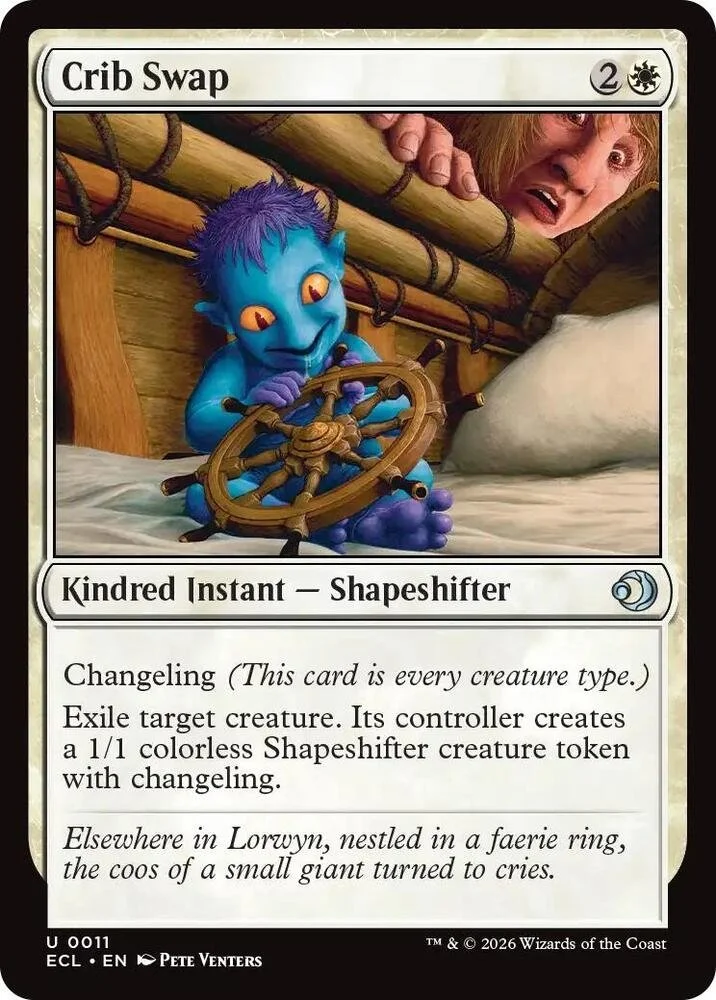
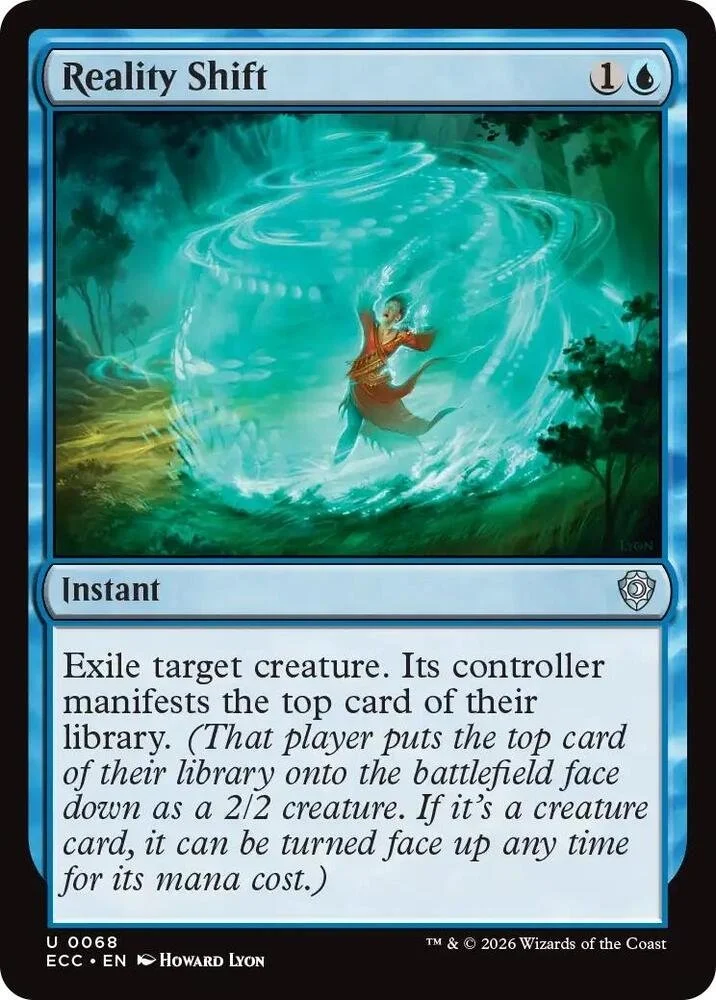
The next category is removal that comes with drawbacks. Effects that give your opponents creatures or value work directly against your game plan—especially when those creatures end up being Shapeshifters that dodge tribal-focused answers like Winnowing.
Finally, some of the card draw and mana enchantments included in the precon just don’t scale well enough. In a deck this color-hungry and mana-intensive, you want your ramp and draw to meaningfully accelerate your game plan, not just smooth things slightly.
10 Cards to Cut from Dance of the Elements
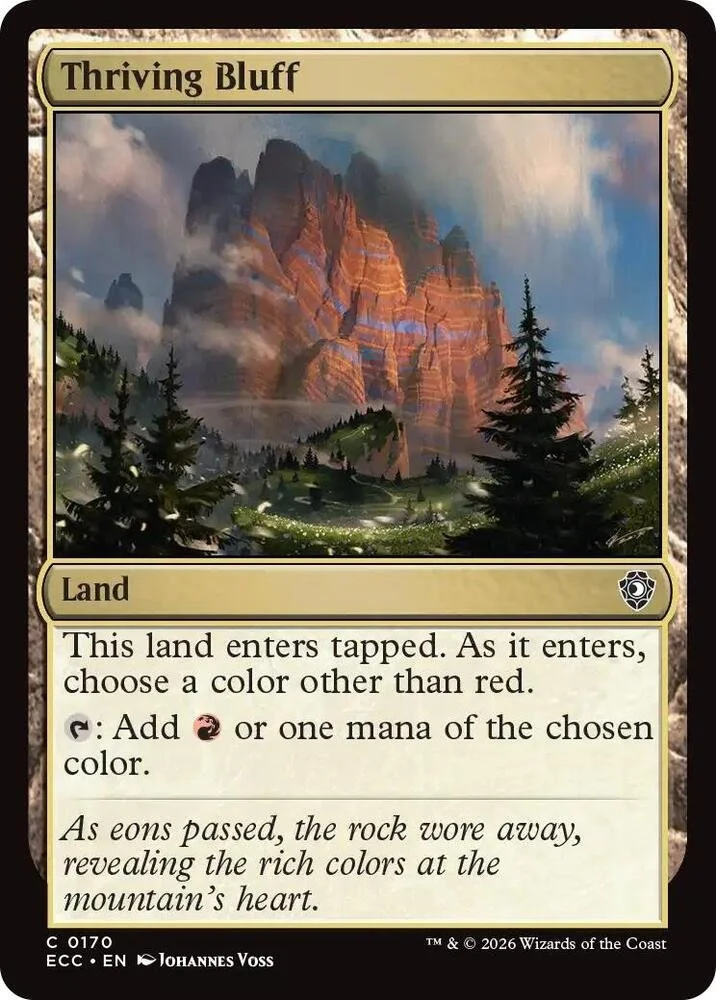
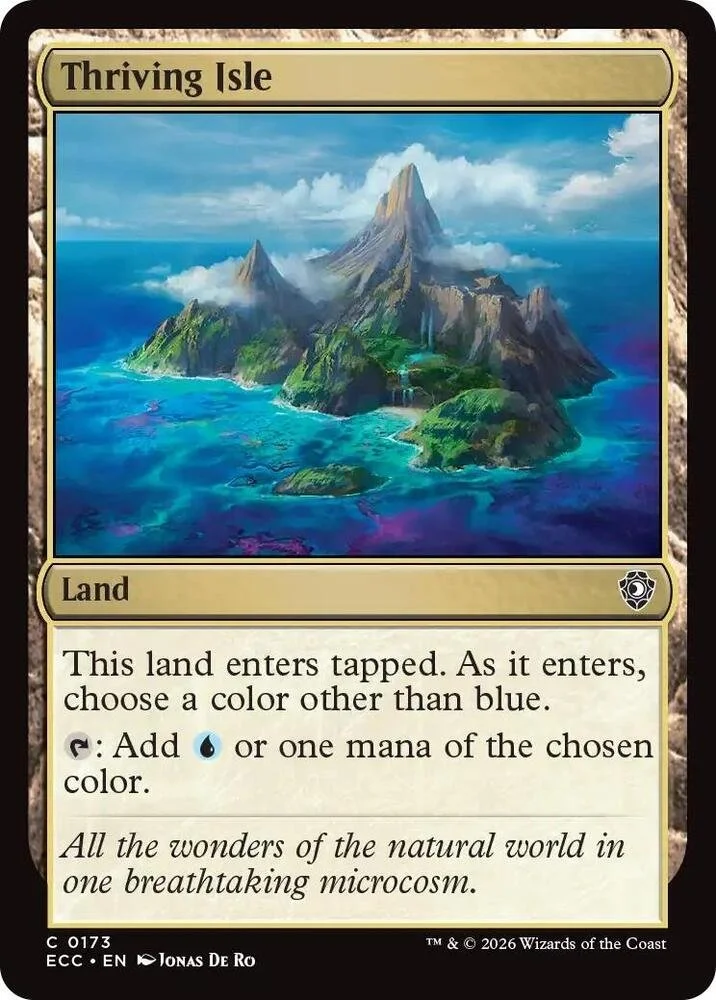
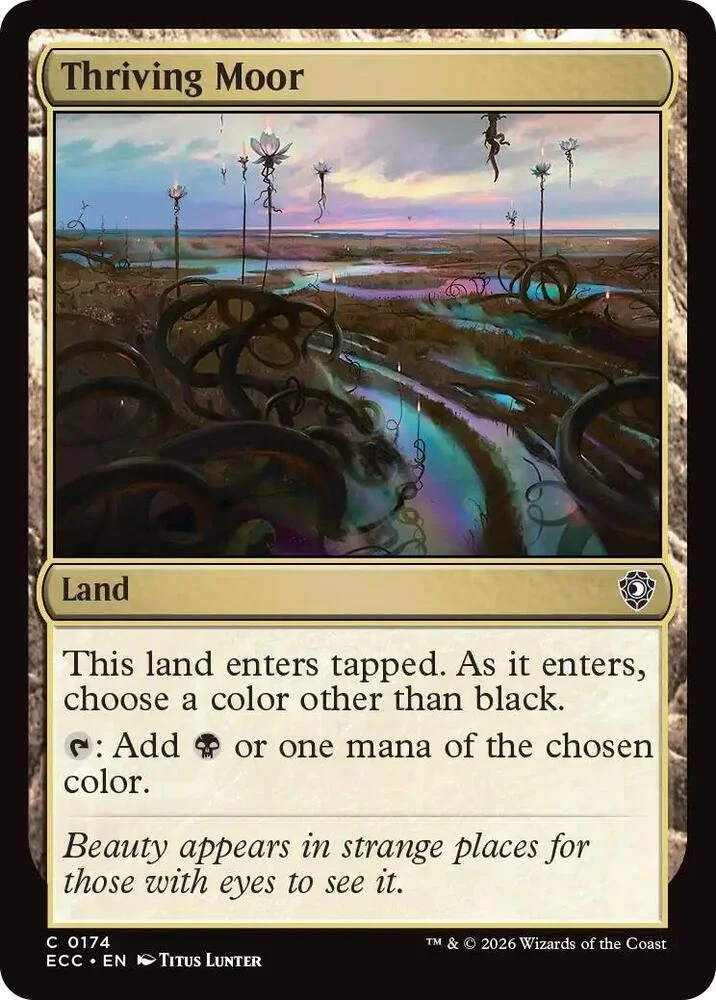
Thriving Bluff – Enters tapped and slows early development.
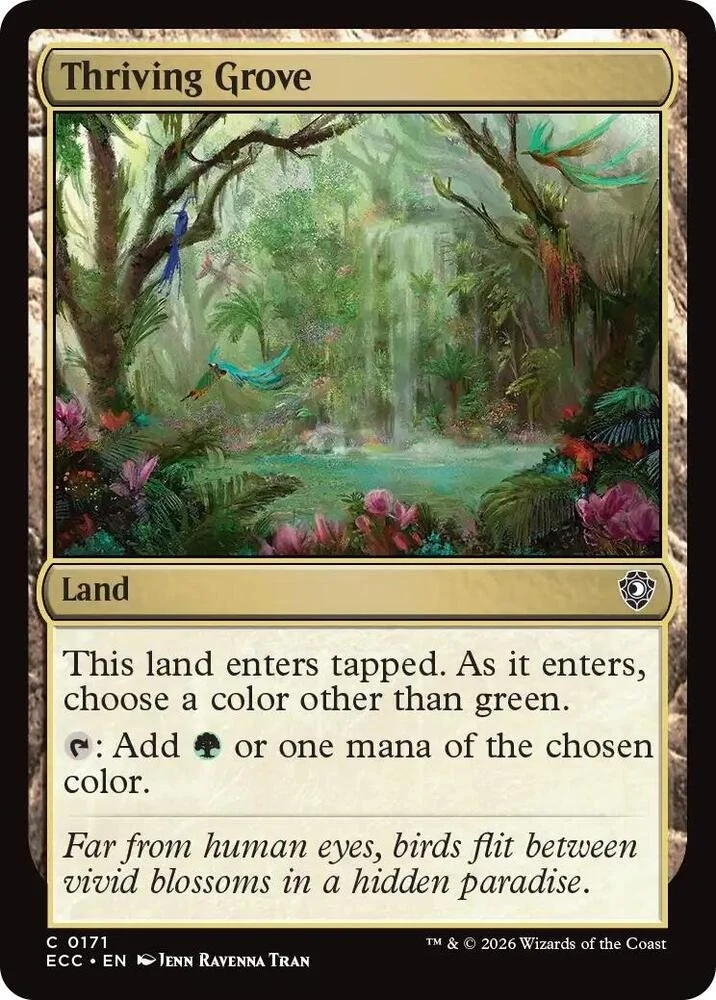
Thriving Grove – Another tapped land that delays key turns.
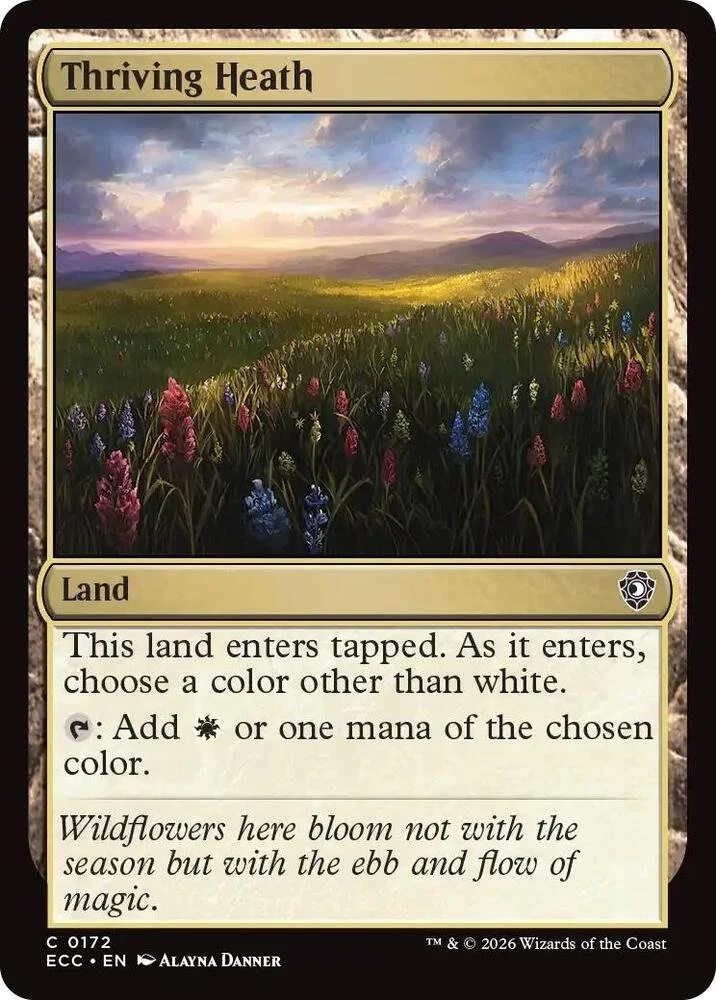
Thriving Heath – Too slow for a deck trying to reach WUBRG quickly.
Thriving Isle – Redundant tapped fixing that can be upgraded.
Thriving Moor – Same issue as the rest of the Thriving lands.
Crib Swap – Removal that grants a Shapeshifter, working against tribal-based interaction.
Reality Shift – “Rewarding” removal that can backfire if a strong creature gets manifested.
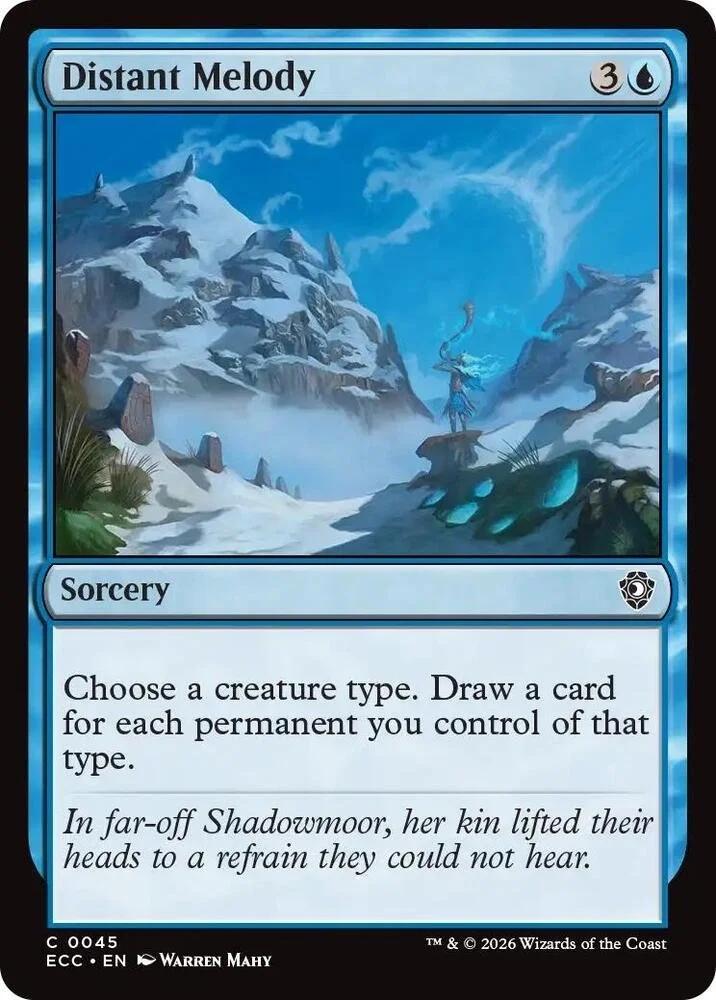
Distant Melody – Serviceable, but there are more reliable and flexible draw options.
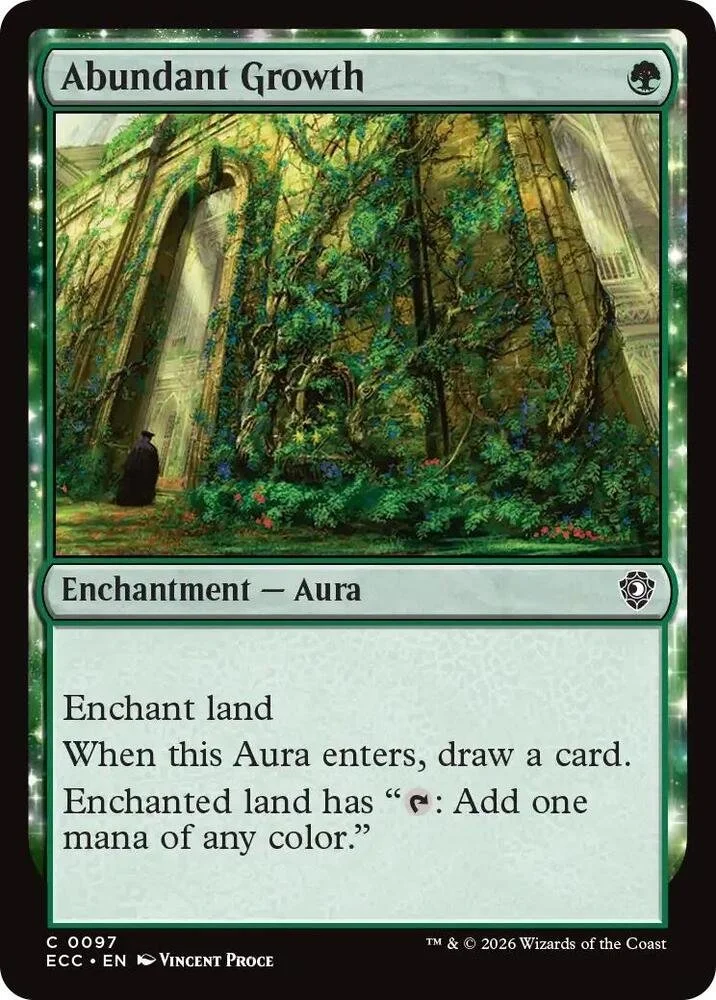
Abundant Growth – Too minor of a fixing effect for a five-color deck.
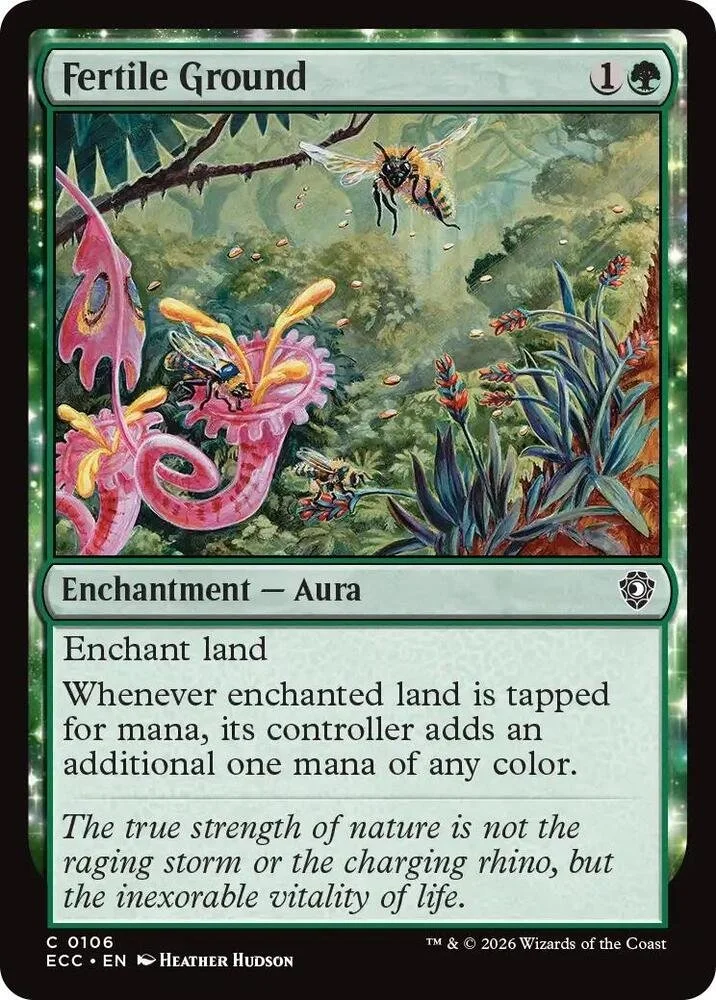
Fertile Ground – Ramp that doesn’t meaningfully help with color requirements.
Pilot tips after the upgrades
Now that your upgrades are locked in, it’s time to talk about how to actually pilot the deck. Dance of the Elements rewards patience and planning, and playing it well after upgrades is all about knowing when to commit resources—not just having access to them.
Mulligans
Your mulligan decisions start the moment the game begins, and with this deck, mana is everything. You should be prioritizing mana first and foremost. Ideally, you want to see at least three mana sources in your opening hand, with red mana being especially important. Having access to a Mountain early helps ensure Ashling is available when you need her.
An ideal opener includes three lands, at least one source of red, and a piece of early acceleration. If that hand also includes Brighthearth Banneret or a mana rock, you’re in excellent shape. This deck can recover from a slow start, but strong mana early makes everything else significantly smoother.
Commander Timing
When it comes to casting Ashling, timing matters more than speed. While she only costs one and a red, she’s still a fragile 2/3 and easy to remove. There’s no real benefit to rushing her onto the battlefield without the resources to protect or immediately leverage her.
Instead, focus your early turns on developing your mana base. Prioritize lands, artifacts, and enchantments that help you reach WUBRG consistently. Once you’re confident your mana can support Evoke chains or token copies, then Ashling becomes a real threat rather than a liability.
When to Evoke
Because this deck is so heavily focused on Elementals, knowing when not to Evoke is just as important as knowing when to do it. The key question to ask is simple: does this creature have a strong enter-the-battlefield effect? If the answer is no, there’s usually no reason to Evoke it.
Evoking a creature only to sacrifice it and then pay an additional WUBRG for a token copy is rarely worth it if there’s no meaningful ETB payoff. Cards like Horde of Notions, Jegantha, the Wellspring, and Muldrotha, the Gravetide are much better cast for their full mana cost, where their ongoing value outweighs any temporary gains.
That said, timing your Evokes intentionally is crucial. You don’t want to Evoke everything just because you can. One important exception is the five Elemental Incarnations with Encore. These creatures actively want to be in your graveyard, so Evoking them early can set up powerful Encore turns later in the game.
How often should you pay the WUBRG?
If you’ve followed the upgrade path, you now have multiple ways to generate WUBRG efficiently in a single activation. Between creature-based mana sources, powerful artifacts, and flexible lands, it’s possible to reach a point where paying WUBRG becomes trivial.
If you’re lucky enough to have multiple of these online at once, you should be Evoking aggressively. Doubling up on ETB effects is one of the fastest ways this deck takes over a game, and at that point there’s little reason to hold back.
However, that won’t always be the case. Commander decks are still 99-card piles, and sometimes the engine doesn’t fully come together. When that happens, prioritize Elementals with lasting board impact over short-term bursts. For example, a creature that generates ongoing value through landfall or repeatable effects is usually worth keeping around, while a one-time utility Elemental doesn’t necessarily need to stick.
Knowing when to commit fully—and when to play more conservatively—is what separates a good Dance of the Elements pilot from a great one.
Final Thoughts
Dance of the Elements is one of those precons that clearly shows how far Commander decks have come. Right out of the box, it introduces powerful ideas through Evoke, Encore, and Vivid, but it also leaves just enough room for players to put their own stamp on it. With a few focused upgrades, the deck transforms from a slow, occasionally clunky value engine into a consistent, explosive Elemental machine.
These changes don’t try to reinvent the deck or push it into cEDH territory. Instead, they smooth out the mana, shore up protection, and give you better tools to actually close games—all while staying firmly within a reasonable budget. For roughly $60, you get a deck that feels more reliable, more threatening, and far more rewarding to pilot, without losing the identity that makes it fun in the first place.
If you enjoy decks that reward patience, sequencing, and big, splashy turns, Dance of the Elements is absolutely worth upgrading. Once the engine is online and your Evoke chains start firing, this deck delivers exactly what Elementals promise: overwhelming power, dramatic board swings, and games that end on your terms.
If you’re looking for another Lorwyn Eclipsed precon to tune up, be sure to check out our Blight Curse precon upgrade guide (coming soon), where we break down how to refine its game plan and push its strategy even further.