Lorwyn Eclipsed is easily one of the most hyped Magic sets in years. Not only does it deliver on mechanics players have been asking for, it also returns us to one of the most beloved planes in Magic’s history. Lorwyn has always felt magical in the purest sense, and Eclipsed fully embraces that identity.
Whether you’re cracking packs at a prerelease, drafting with friends, or settling in for a long night at your LGS, this guide breaks down what to expect in Limited, what archetypes matter, which ones are traps, and how to build functional decks from the pools you’ll actually open.
What are the archetypes in Lorwyn Eclipsed?
Every Limited environment has its own internal ecosystem. Edge of Eternities leaned into ten clearly defined two-color archetypes. Avatar: The Last Airbender went in the opposite direction, rewarding mono-color, splashing, or even full WUBRG builds based on bending types and shrine synergies.
Lorwyn Eclipsed takes a third path.
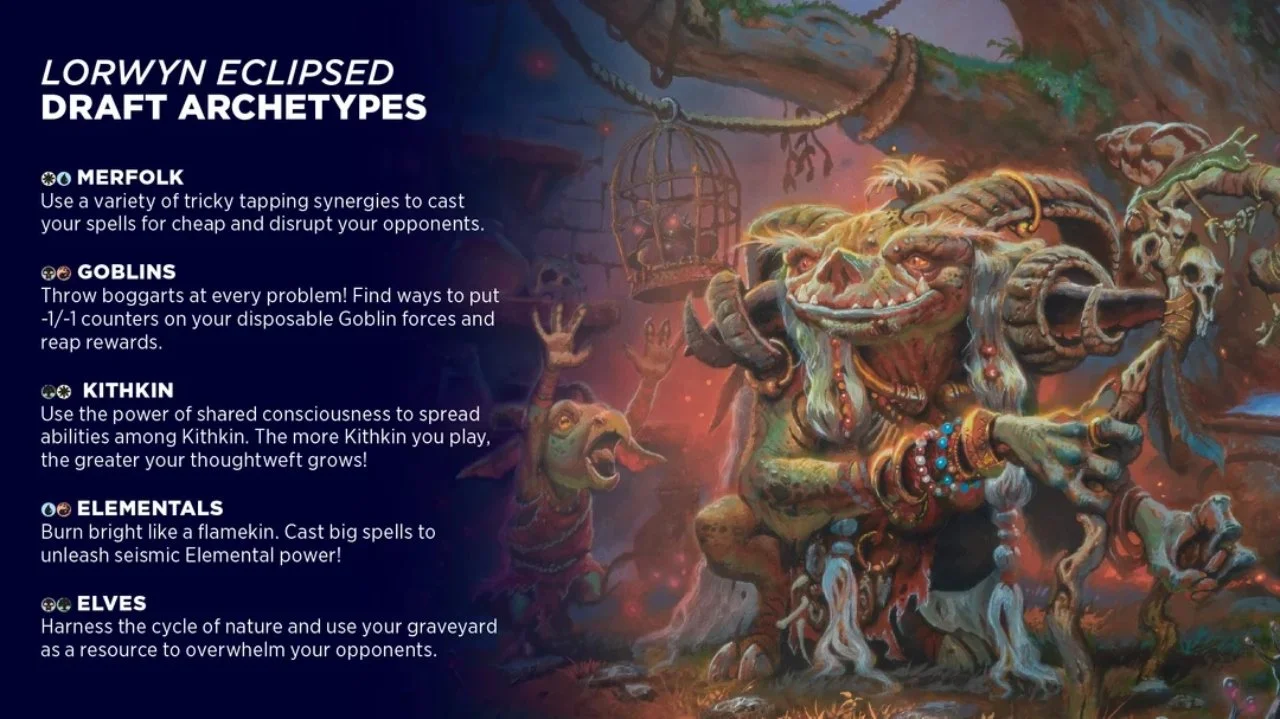
Rather than strict color-pair archetypes, this set is built around true tribal drafting. Creature types matter more than color pairs, and many decks will naturally stretch into three or more colors to support their tribe. There are five primary tribal archetypes (marked with an asterisk *) that act as the backbone of the format, while the remaining color pairs serve as secondary or support strategies that slot into those main tribes.
Think less “draft a color pair,” and more “draft a tribe, then build the colors around it.”
Azorious (White-Blue): Merfolk*
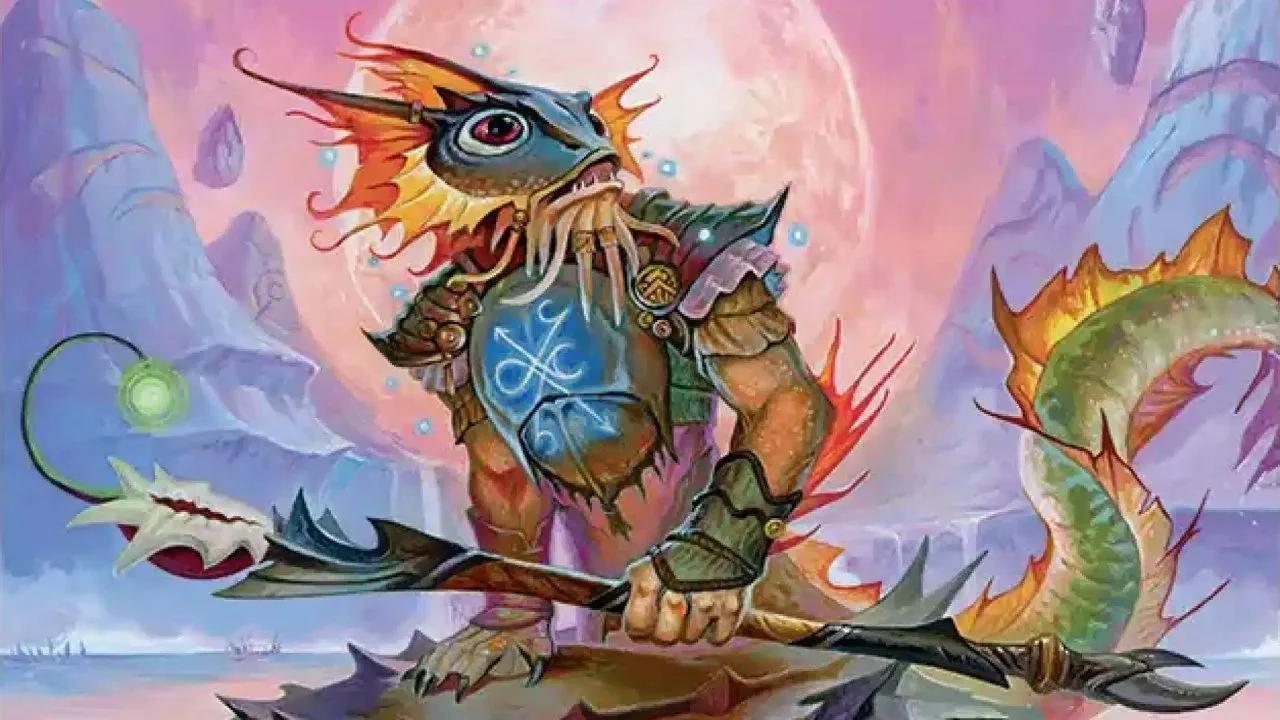
Azorius Merfolk sit in a familiar but rewarding space: evasive creatures, board control, and clever combat tricks. While Merfolk decks can sometimes feel like they’re walking a tightrope between dominance and doing nothing, Lorwyn Eclipsed gives them enough support to firmly land on the powerful side of that line.
This archetype leans heavily into tapping synergies. Rather than simply attacking every turn, Azorius Merfolk want to tap their own creatures to generate value, whether that’s tapping down opposing threats, weakening blockers, or enabling Convoke spells without risking creatures in combat. Flying keeps pressure on the opponent while the tap engine quietly takes over the game.
Although firmly rooted in White–Blue, this deck may benefit from a light Green splash, especially for Treefolk or Vivid support, which gives Merfolk more staying power in longer games.
What to look for when drafting Merfolk:
Creatures that reward being tapped
Ways to tap creatures without attacking
Cheap interaction that preserves your board
Your board often looks small, but it’s deceptively difficult for opponents to interact with once your engines are online.
Key cards for building Azorious Merfolk:
Commons:
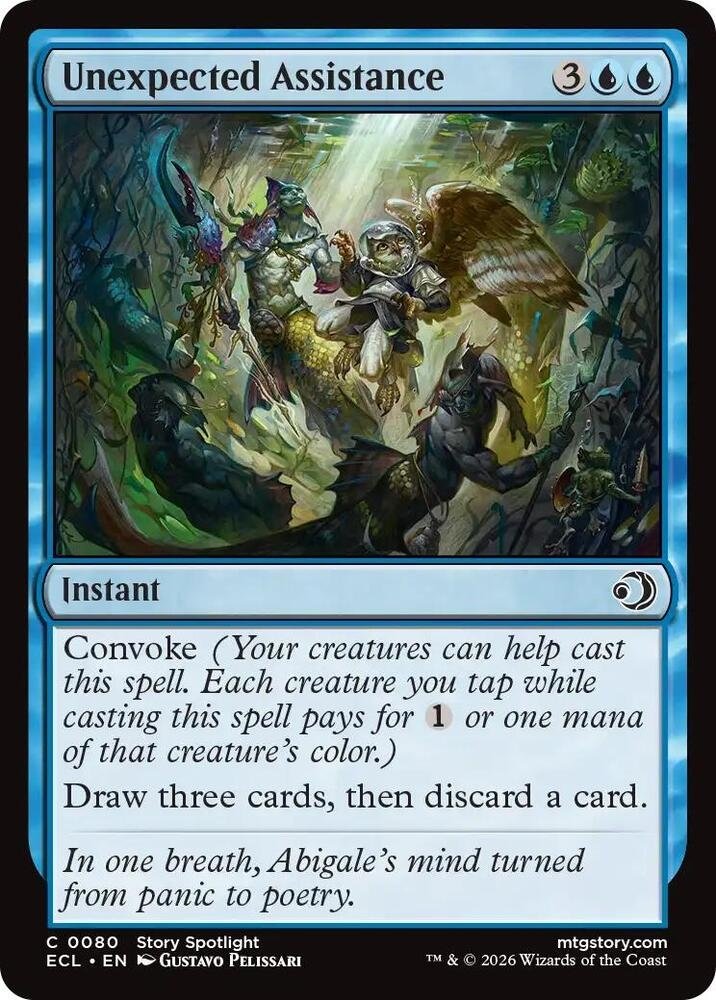
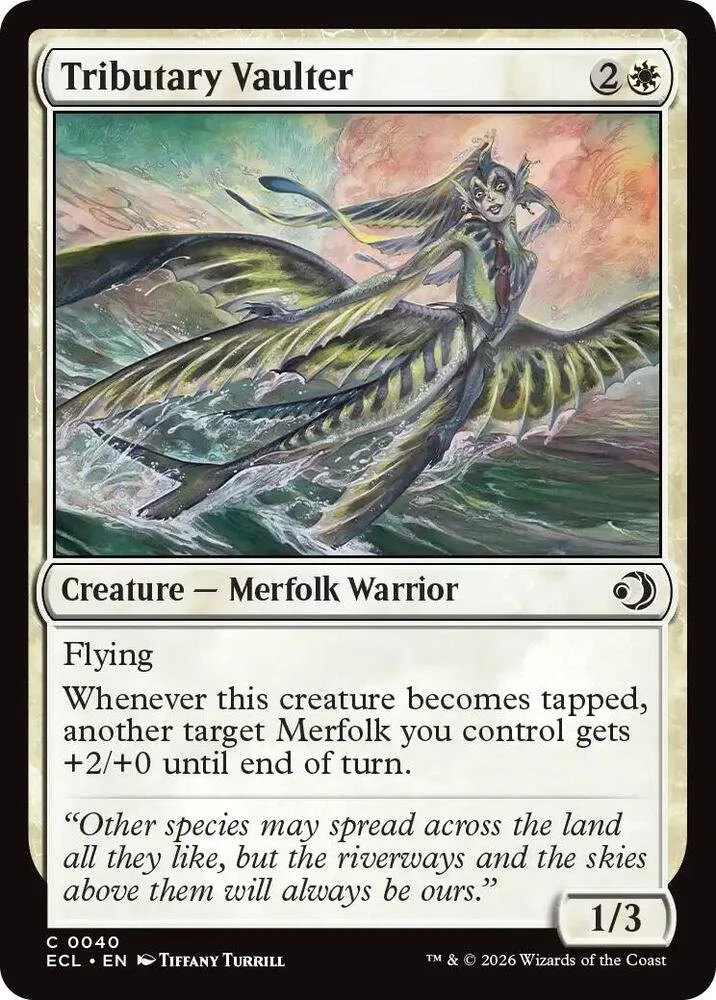
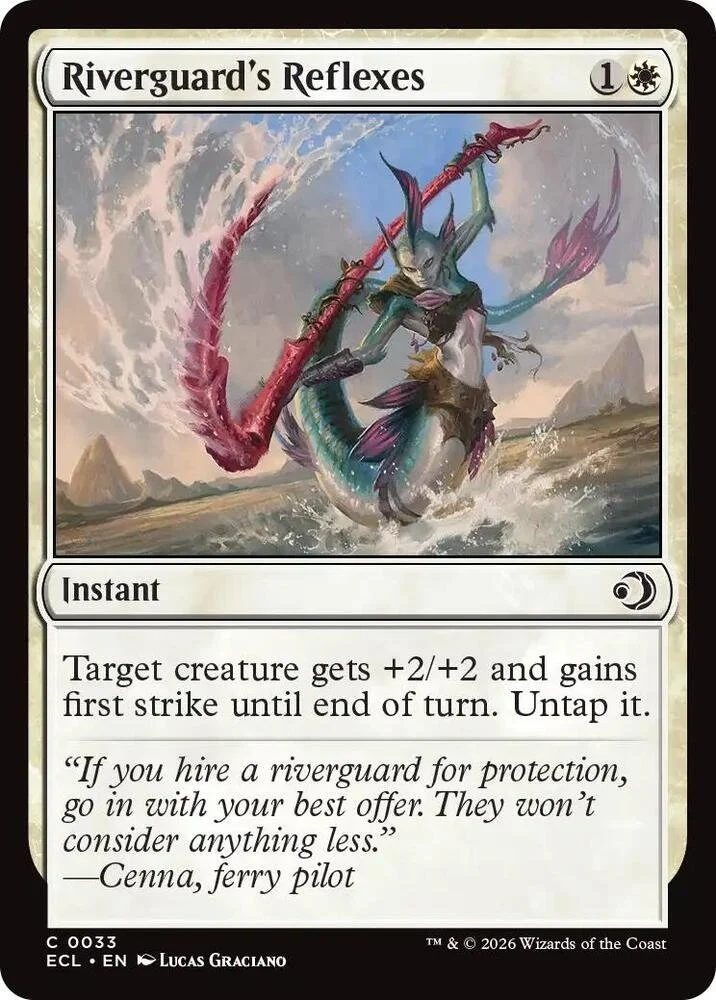
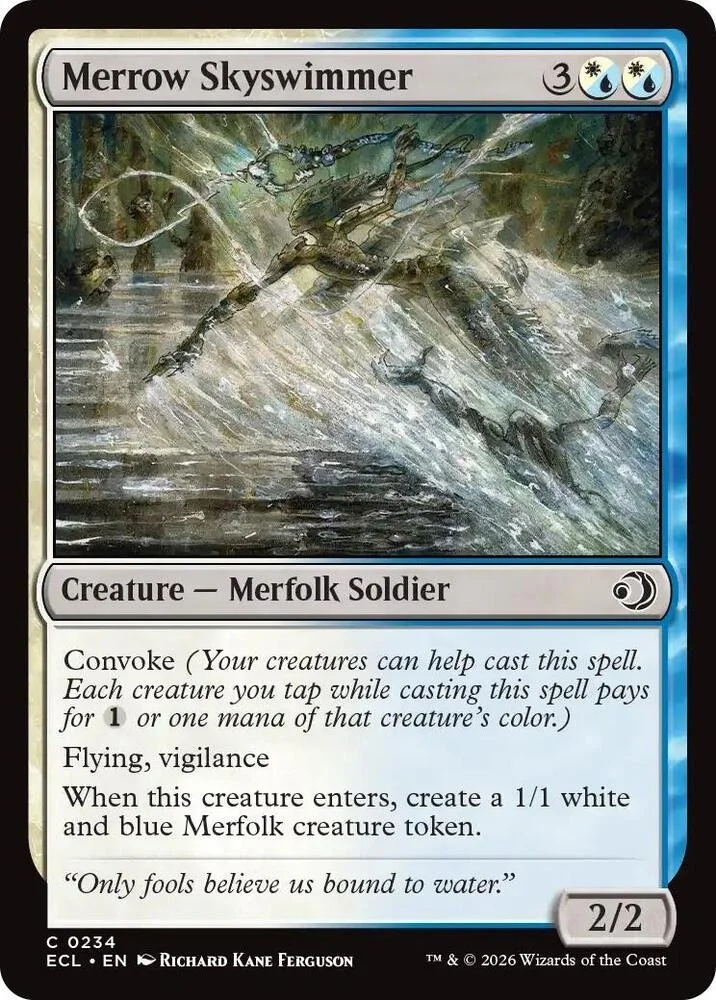
Merrow Skyswimmer – Expensive on paper, but Convoke makes it flexible. Flying, vigilance, and a token on entry is excellent value.
Riverguard’s Reflexes – Combat trick plus untap creates surprise blocks or saves key creatures.
Tributary Vaulter – Efficient evasive body that rewards tapping with board-wide value.
Unexpected Assistance – Convoke card draw keeps the engine running.
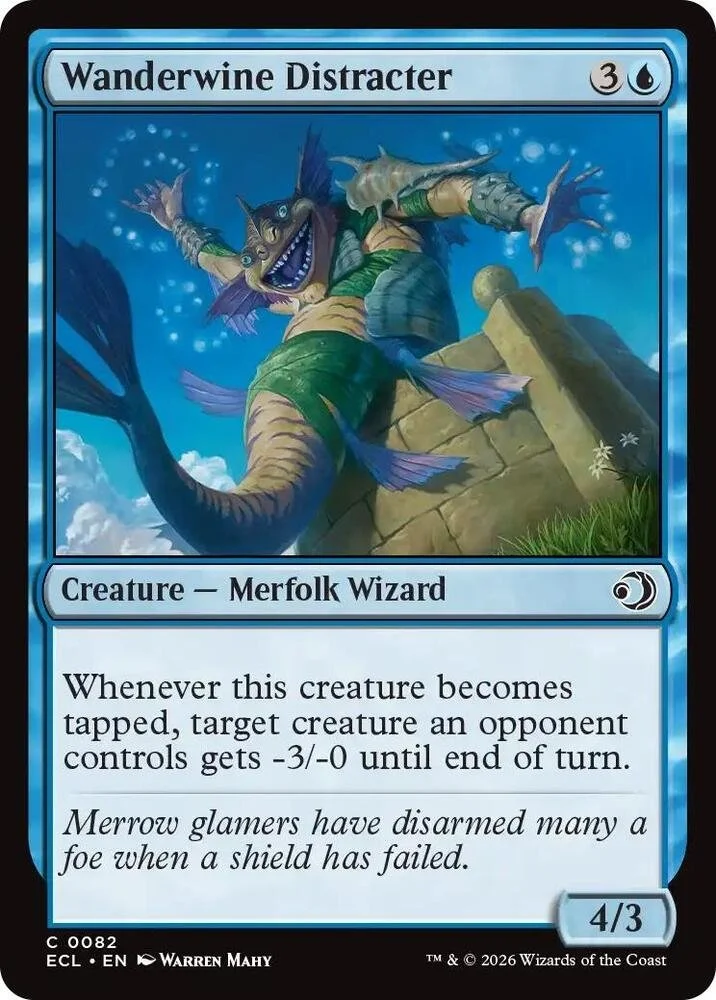
Wanderwine Distracter – Weakens opposing creatures whenever it taps, making attacks much safer.
Uncommons:
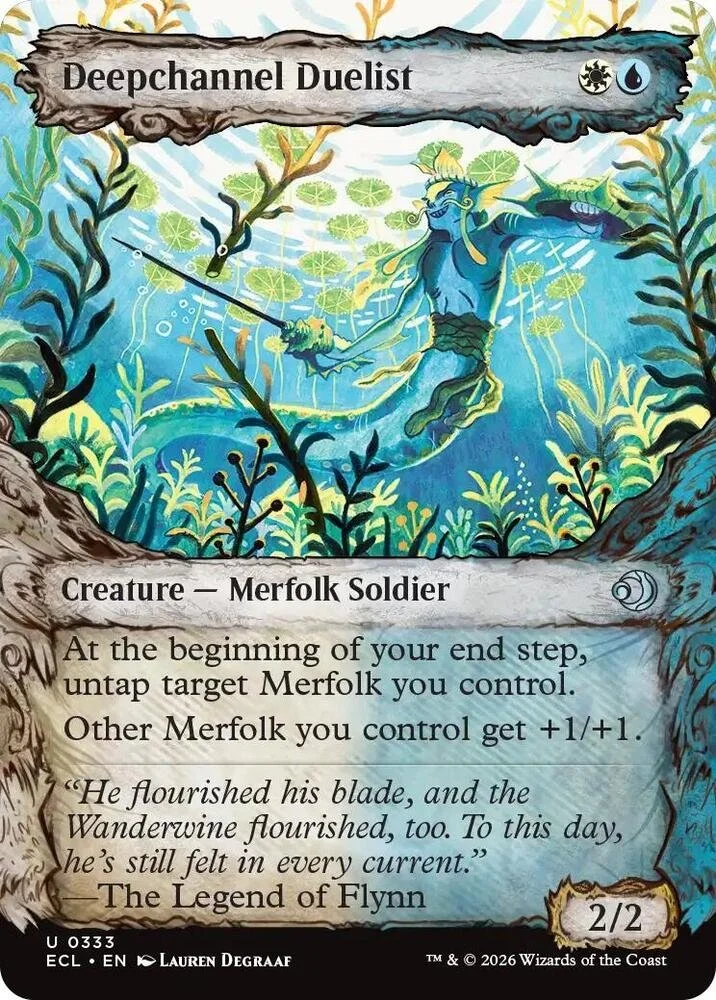
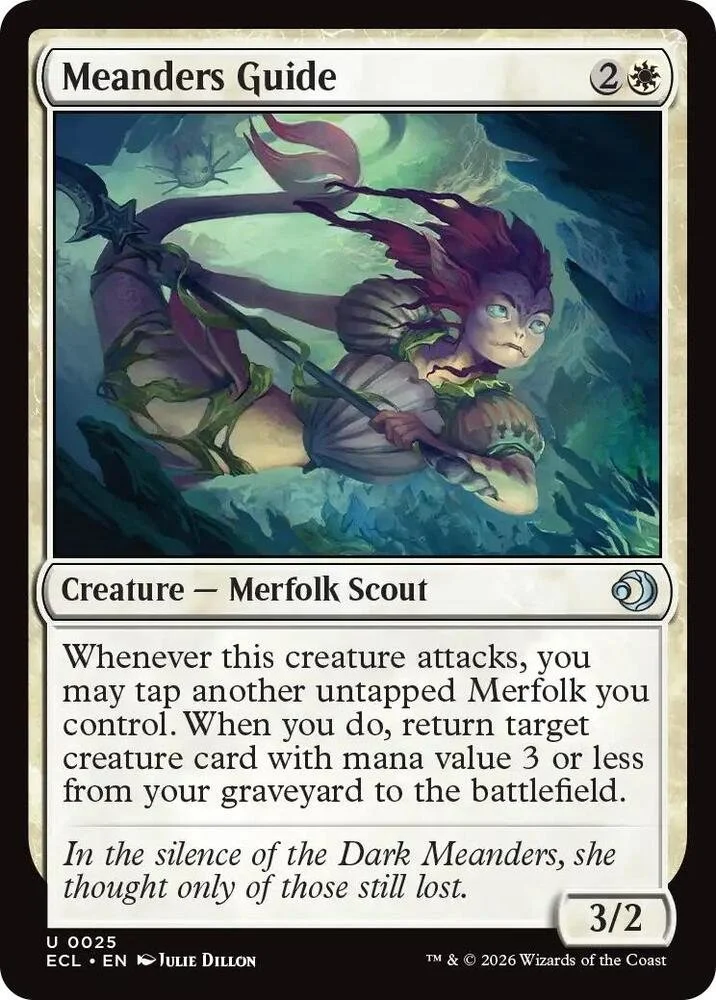
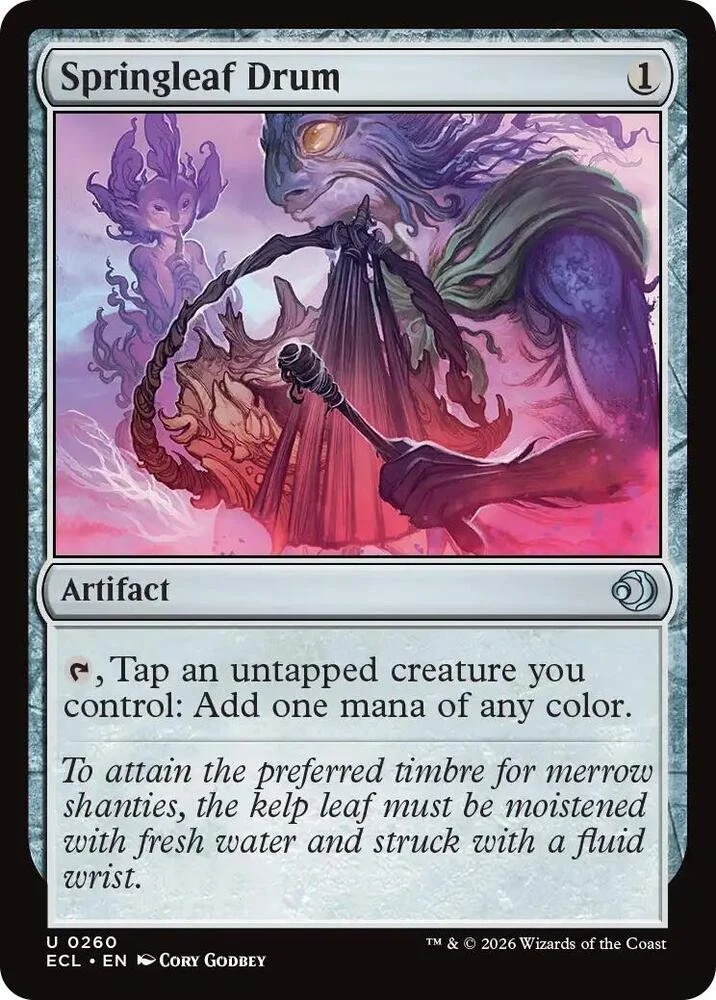
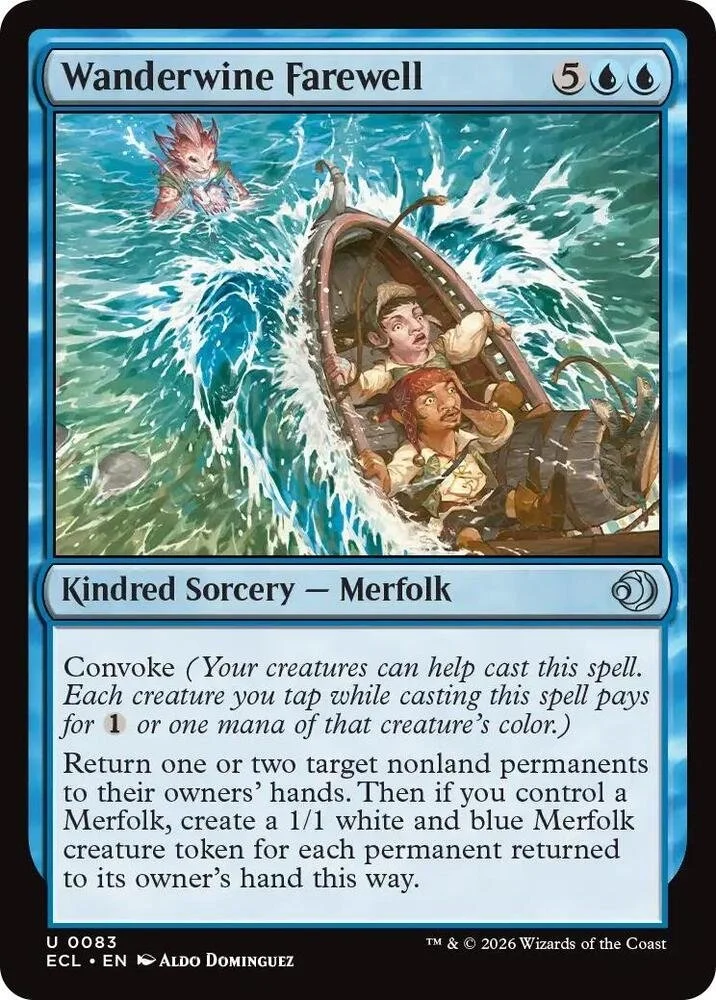
Deepchannel Duelist – The signpost uncommon. Buffs Merfolk, untaps creatures, and costs only two mana.
Meanders Guide – Repeated bounce potential when you can safely tap Merfolk.
Springleaf Drum – Pseudo-Convoke for the entire deck. Excellent utility.
Wanderwine Farewell – Token generation plus interaction, even if slightly under-tuned compared to other Kindred spells.
Rares & Mythics:
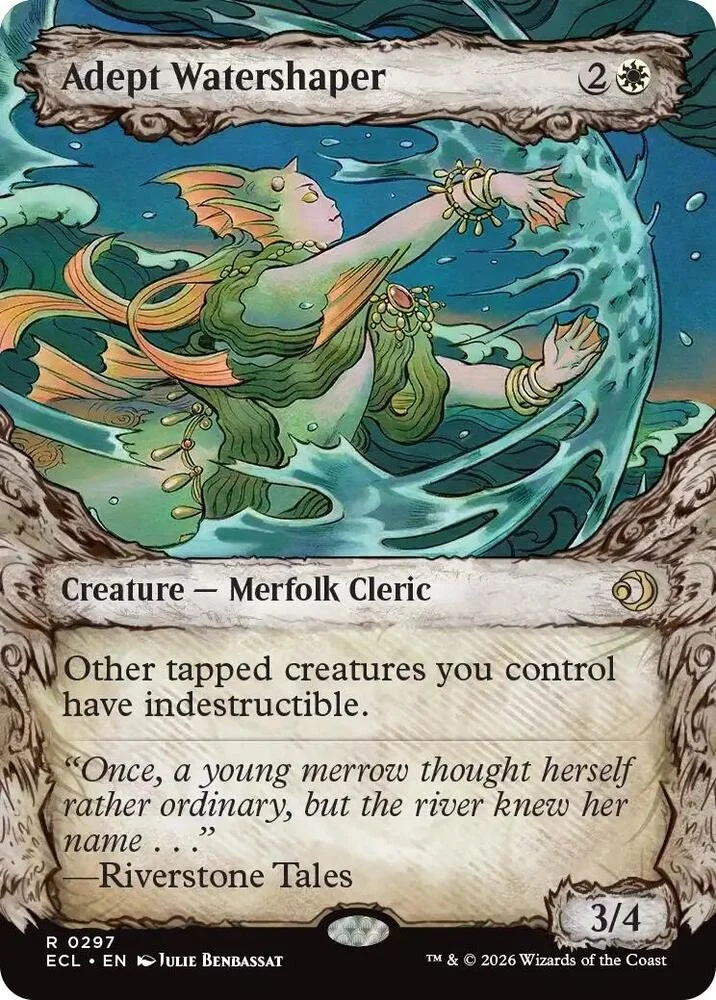
Adept Watershaper – The best Merfolk rare in Limited. Grants indestructible to tapped creatures.
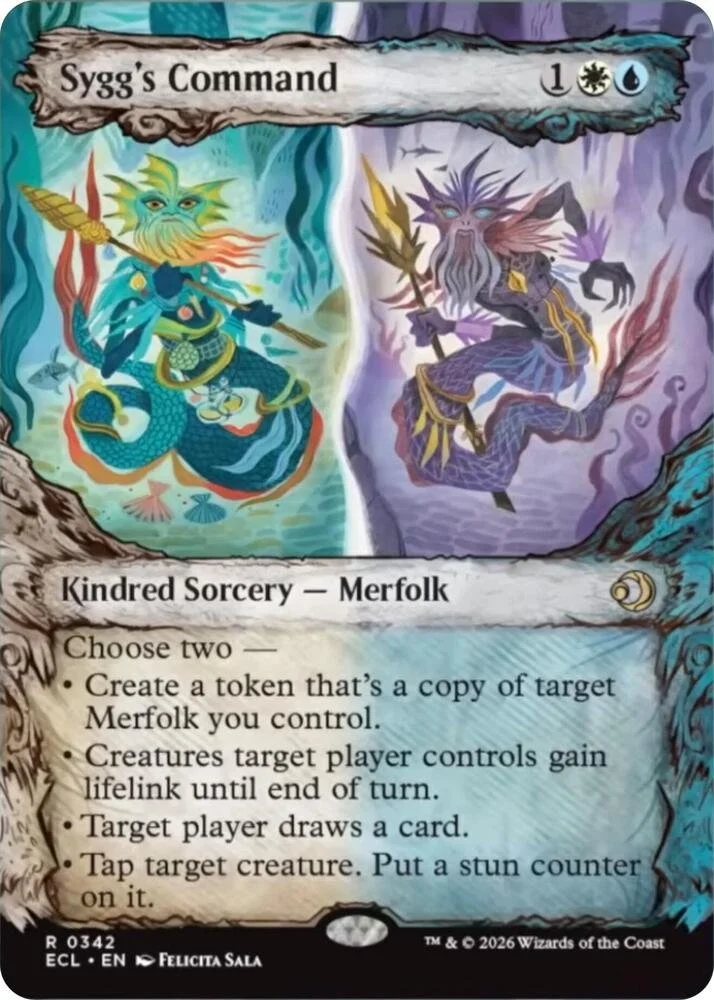
Sygg’s Command – Flexible, powerful, and useful at every stage of the game.
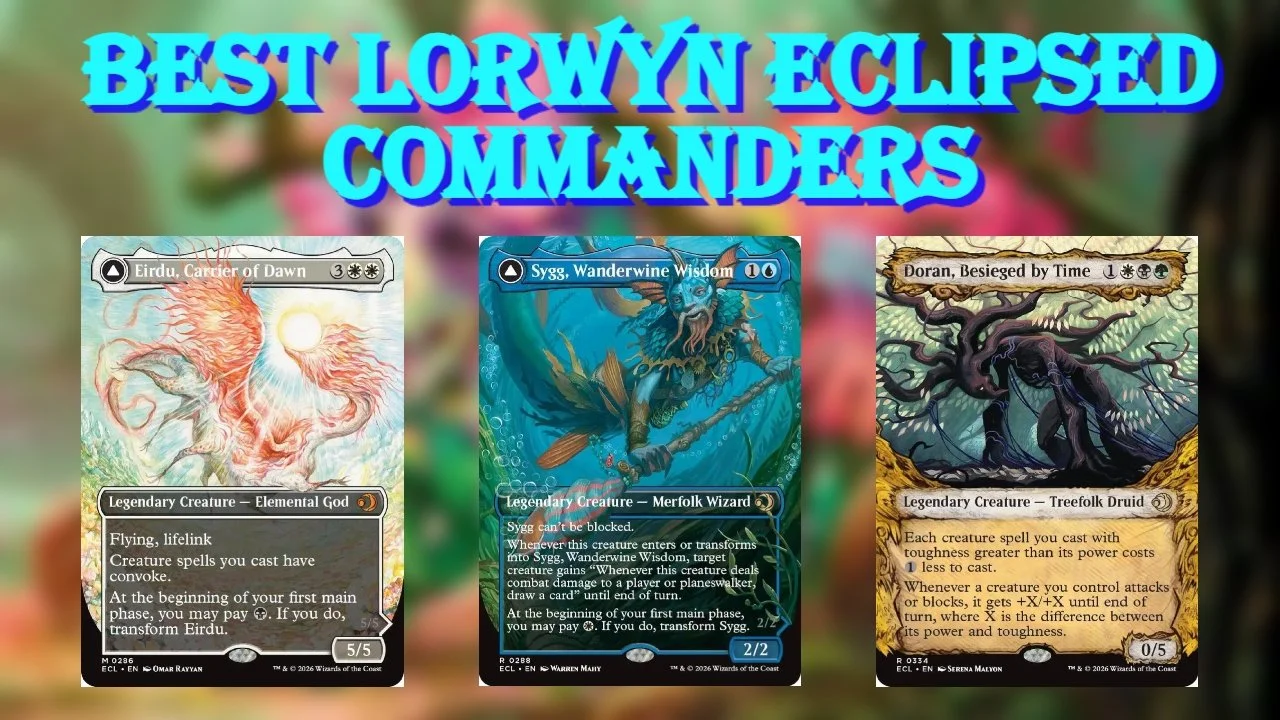
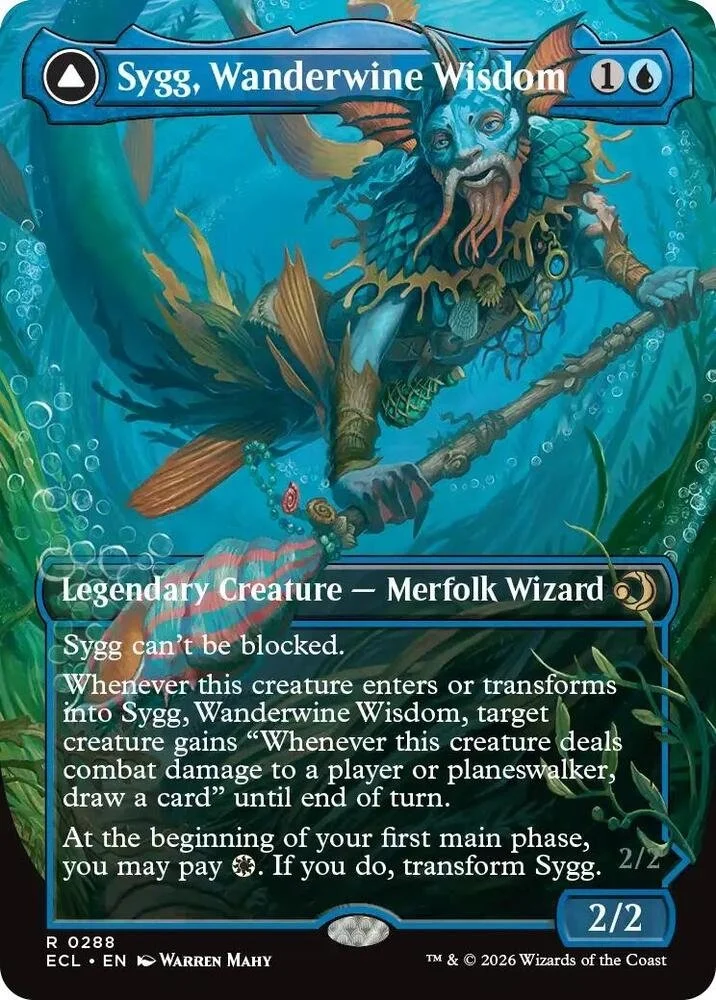
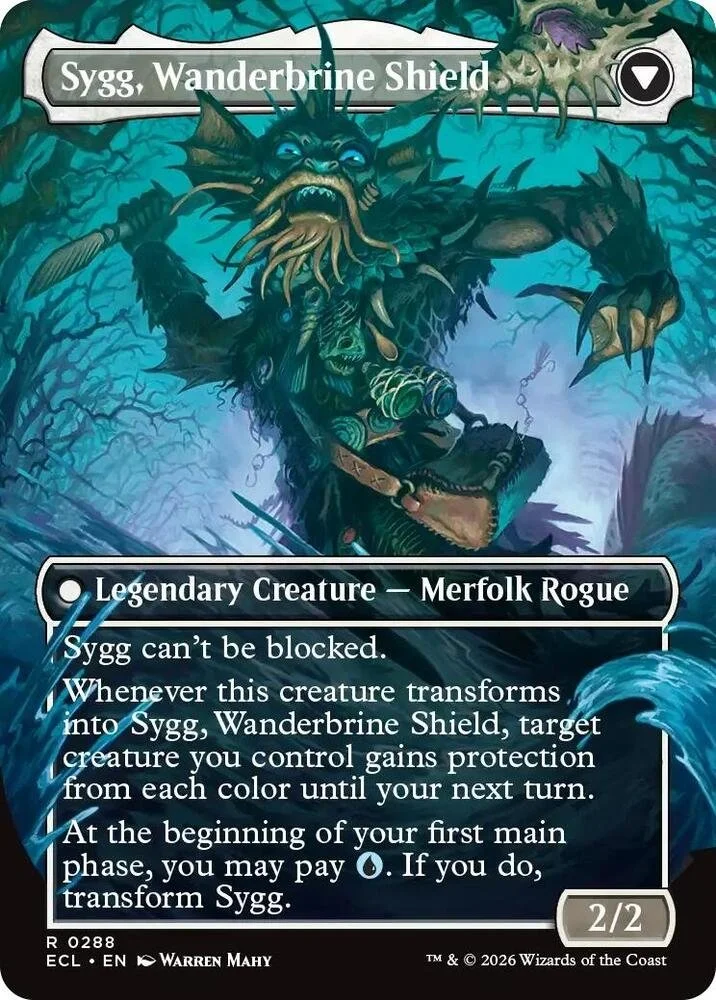
Sygg, Wanderwine Wisdom // Sygg, Wanderbrine Shield – Card draw, evasion, and protection all in one package.
Dimir (Blue-Black): Faeries
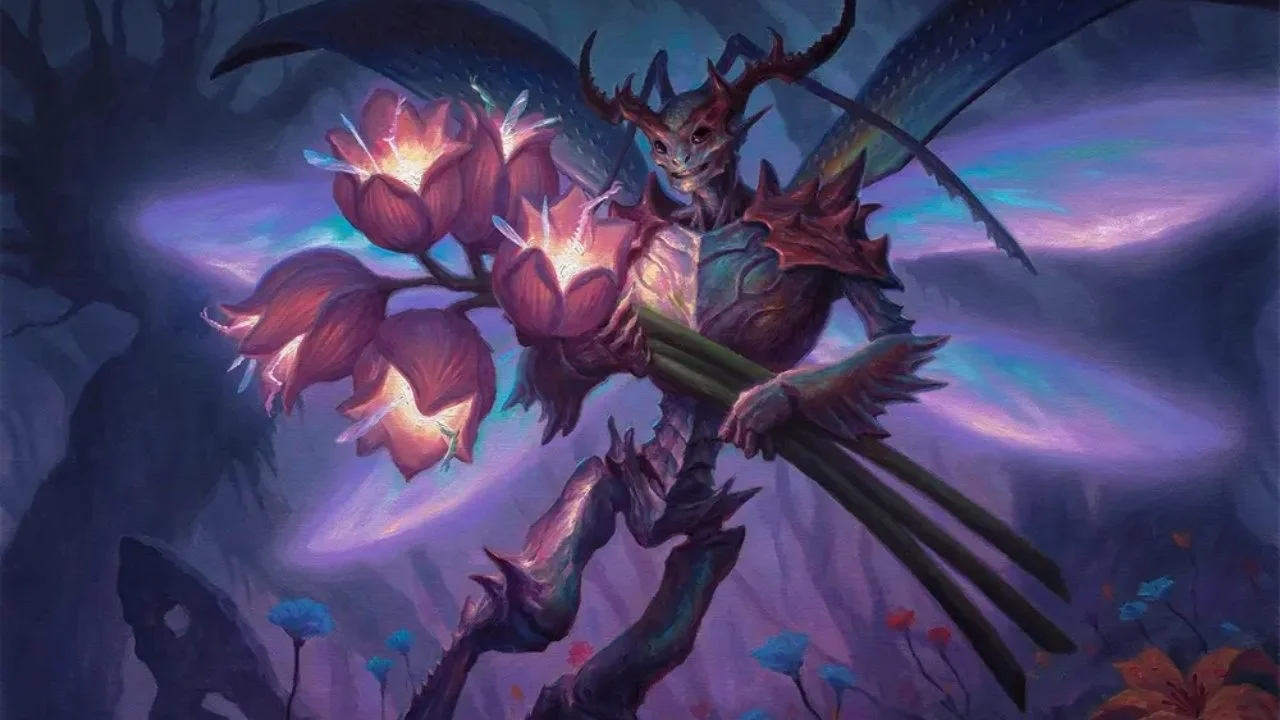
Dimir Faeries aren’t one of Lorwyn Eclipsed’s primary tribes, but they still carve out a very real space in Limited. Especially in Sealed pools or drafts where Merfolk or Elves need disruption support.
Faeries play exactly how you want them to: flashy, evasive, and deeply annoying. They focus on discard, counterplay, and tempo manipulation, often forcing opponents to play off-curve or into bad attacks. You’re rarely the aggressor early, but you’re constantly dictating how the game unfolds.
Pure Dimir Faeries can be difficult to assemble consistently, but the good news is that these creatures slot beautifully into other archetypes, particularly Azorius Merfolk and Golgari Elves, where their disruption fills key gaps.
How Faeries Win Games:
Chip damage through flying
Forcing discard at key moments
Flash threats that punish poor sequencing
If your opponent ever feels like they can’t safely cast spells, you’re doing it right.
Key cards for building Dimir Faeries:
Commons:
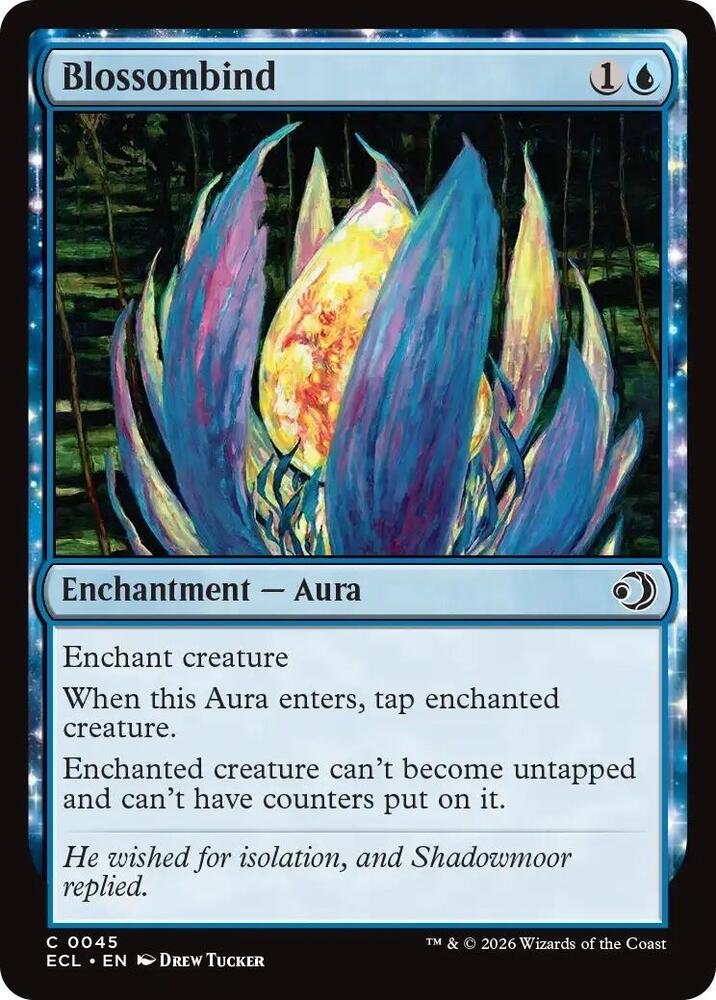
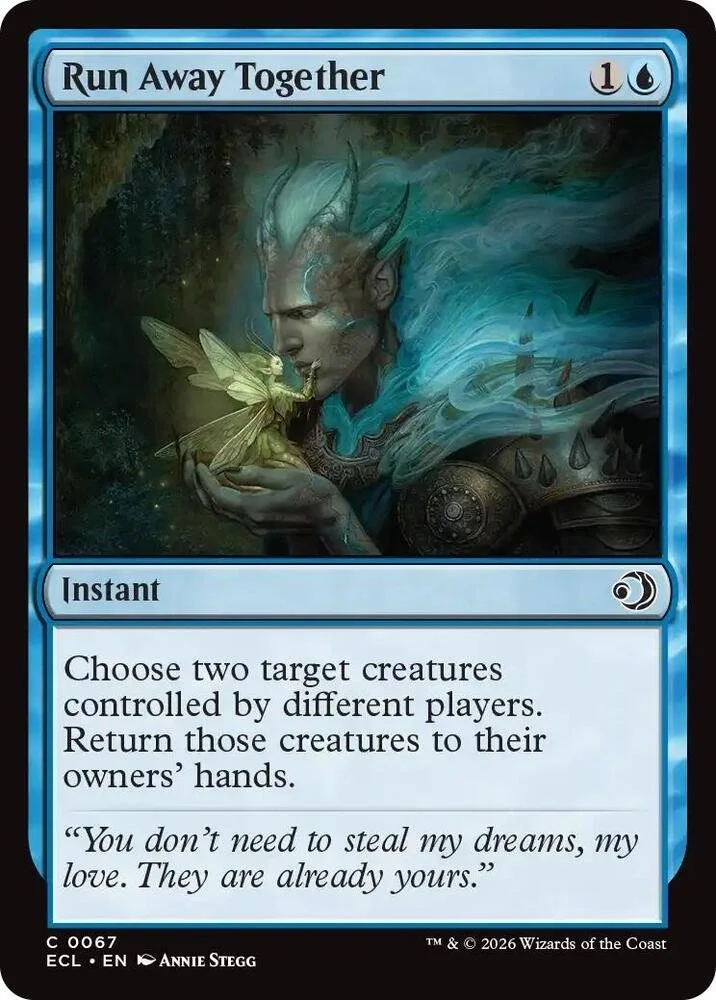
Blossombind – Excellent against decks that rely on self-Blight.
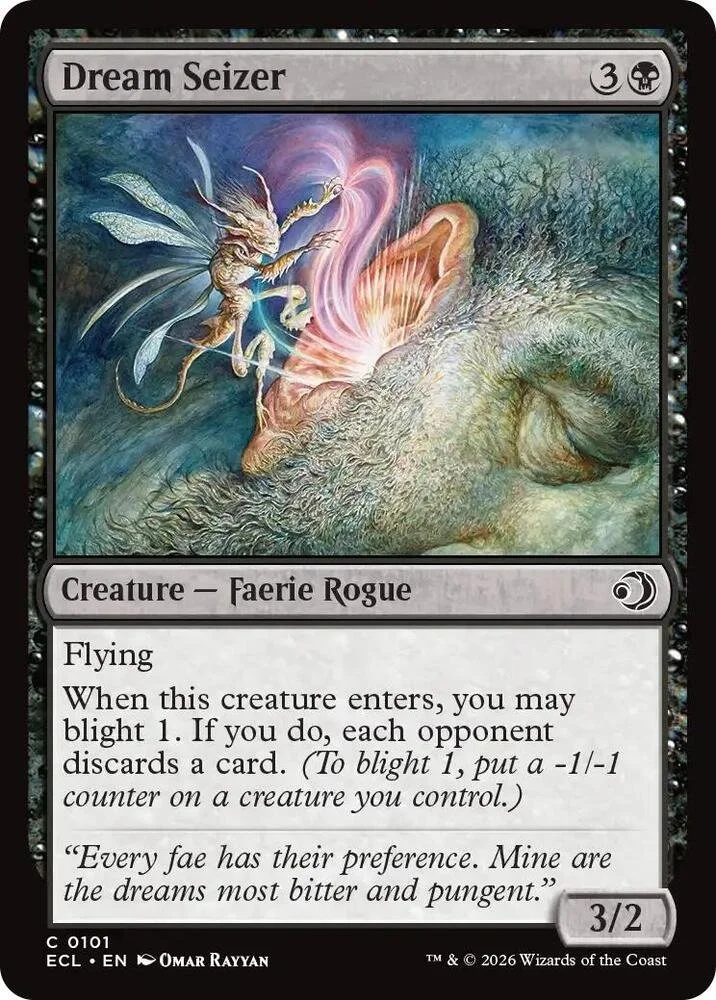
Dream Siezer – Efficient flying threat that forces discard.
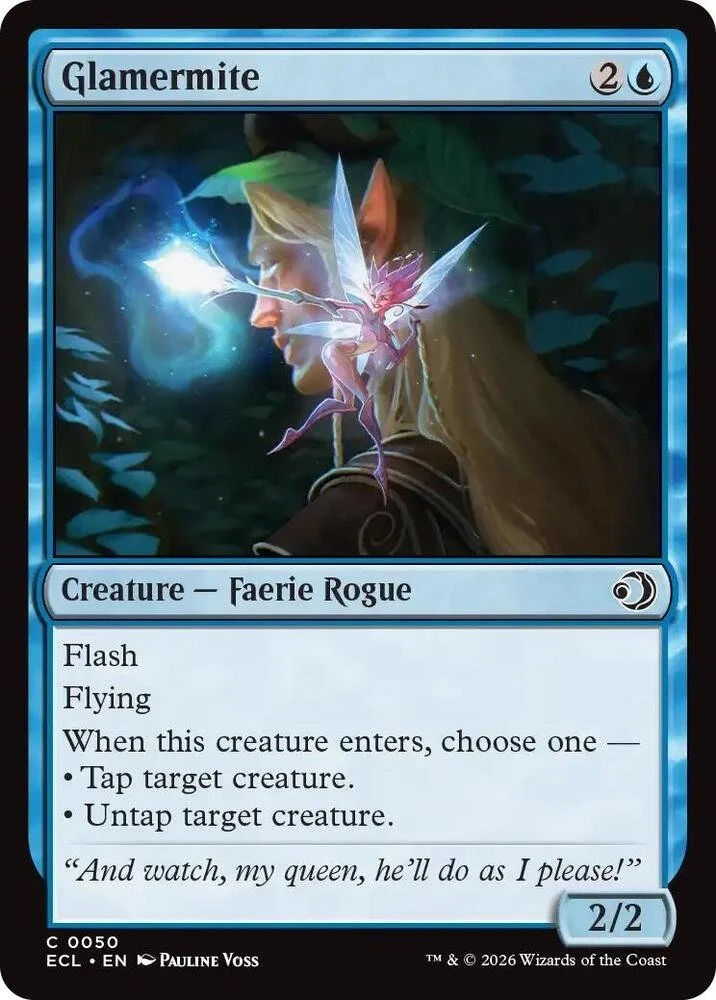
Glamermite – Flash utility creature that taps or untaps at instant speed.
Run Away Together – Board disruption that buys time for evasive pressure.
Uncommons:
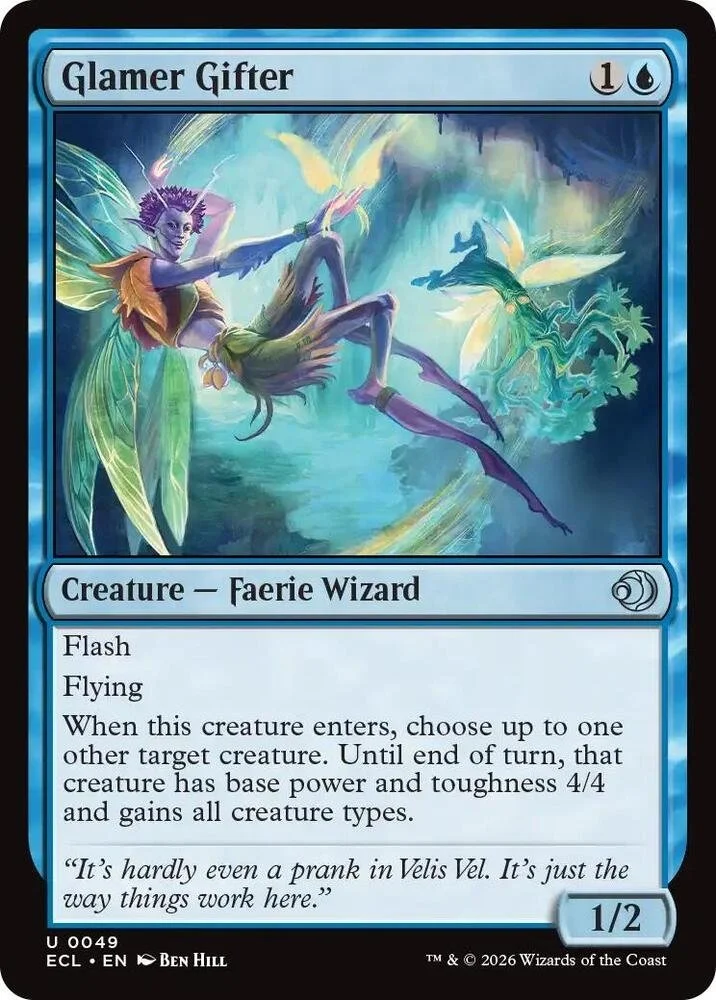
Glamer Gifter – Versatile trick that can punish Blight-heavy strategies.
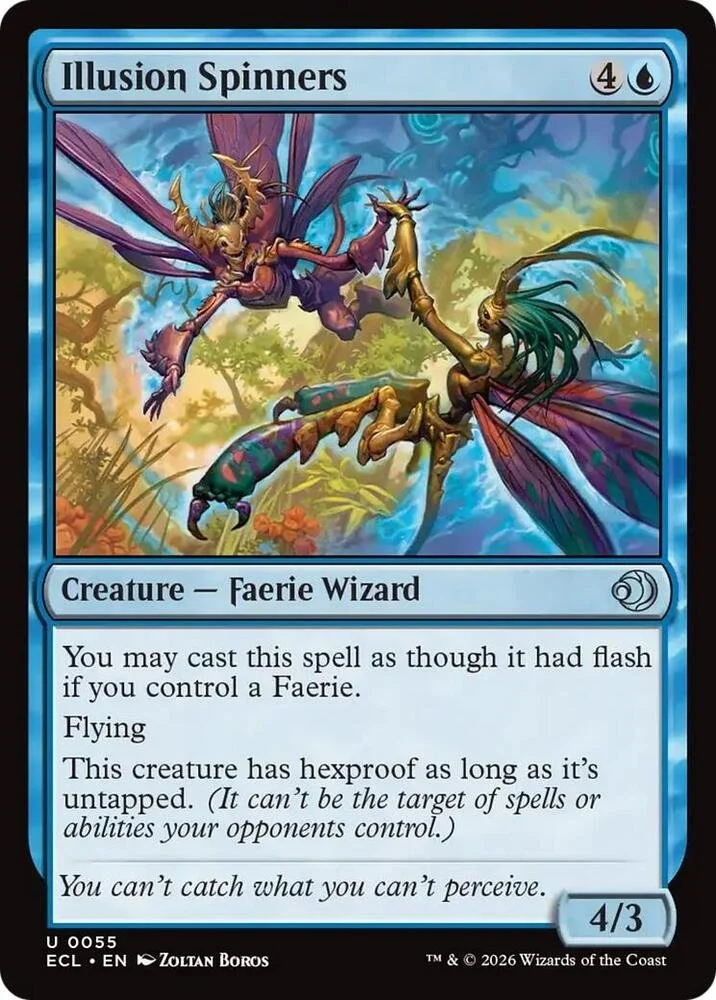
Illusion Spinners – Flash flying threat with hexproof when untapped.
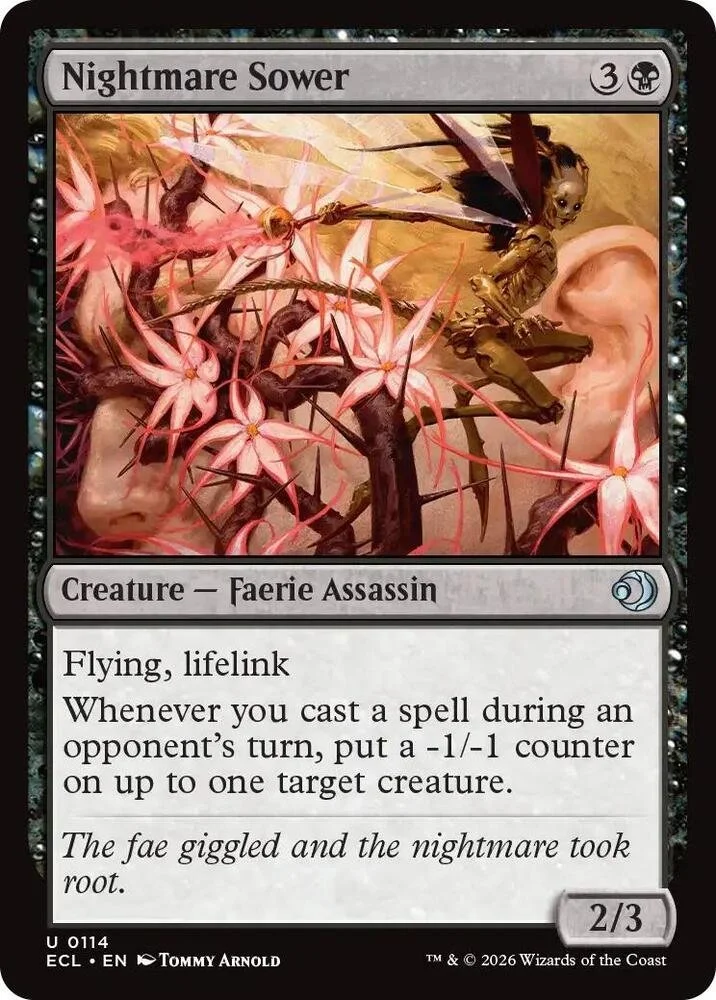
Nightmare Sower – Lifelink plus -1/-1 counter pressure makes racing impossible.
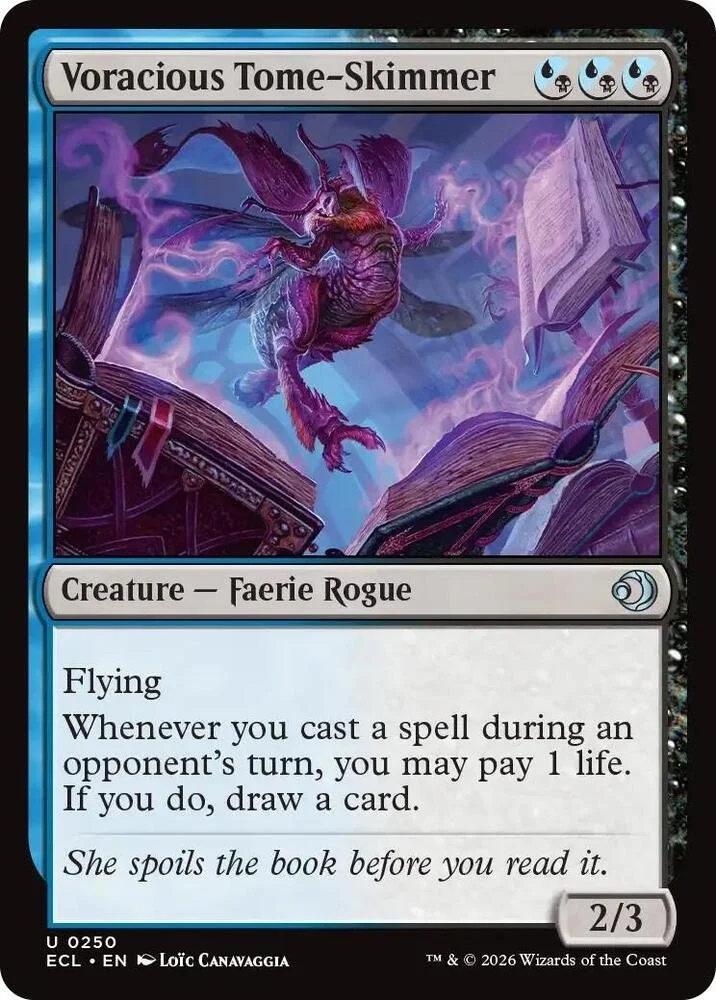
Voracious Tome-Skimmer – Pseudo-signpost uncommon that rewards playing at instant speed.
Rares & Mythics:
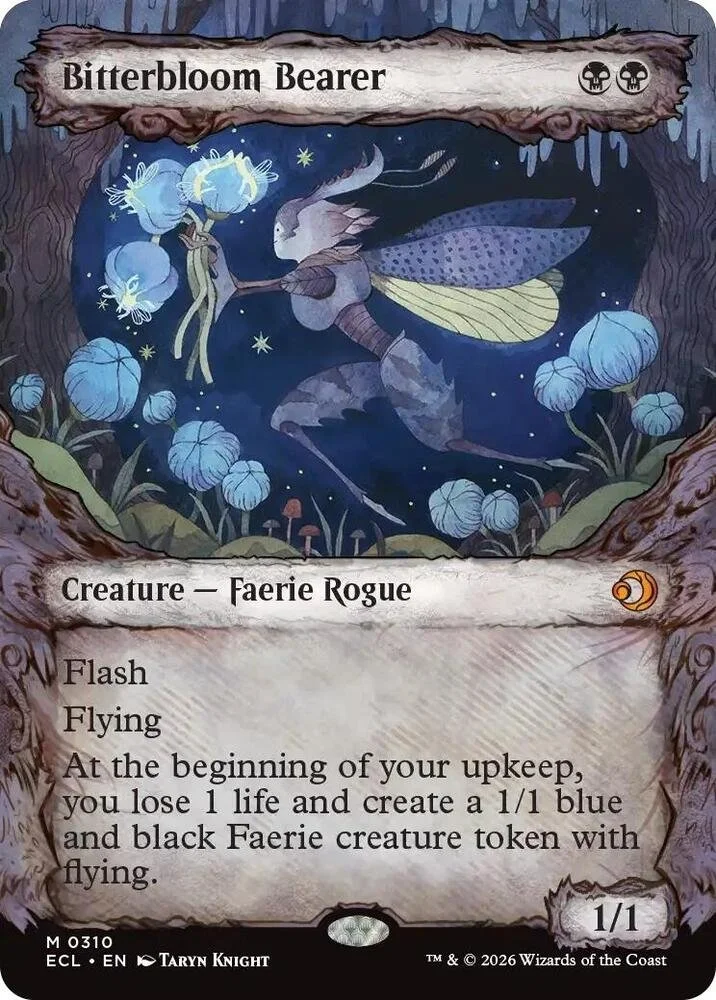
Bitterbloom Bearer – One of the most efficient Faerie tribal cards printed in years.
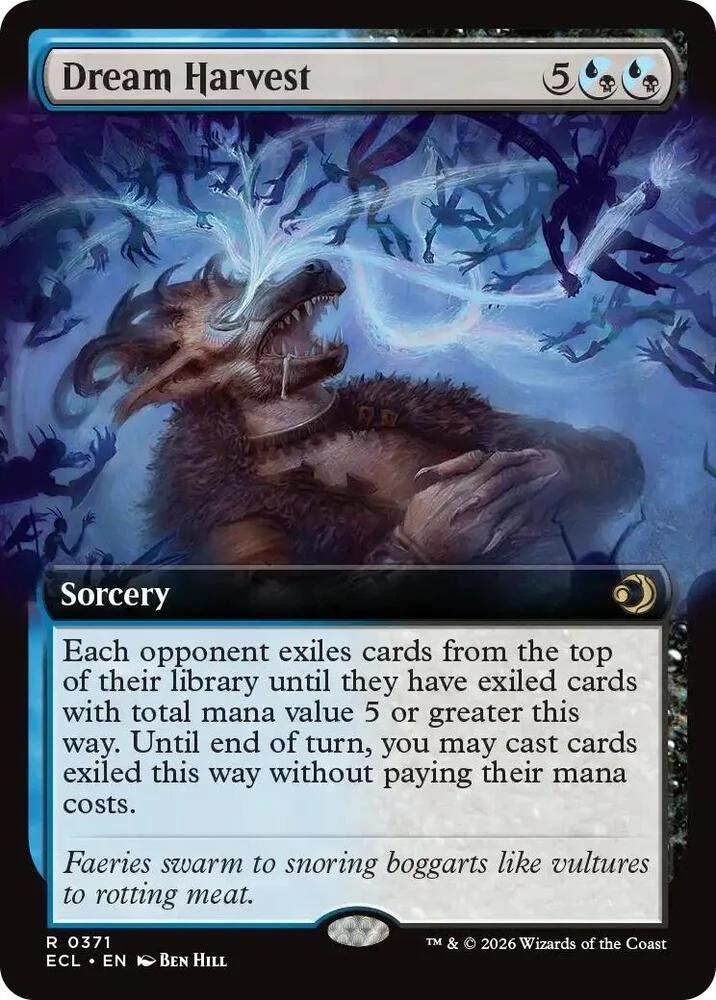
Dream Harvest – High-impact control tool that steals momentum.
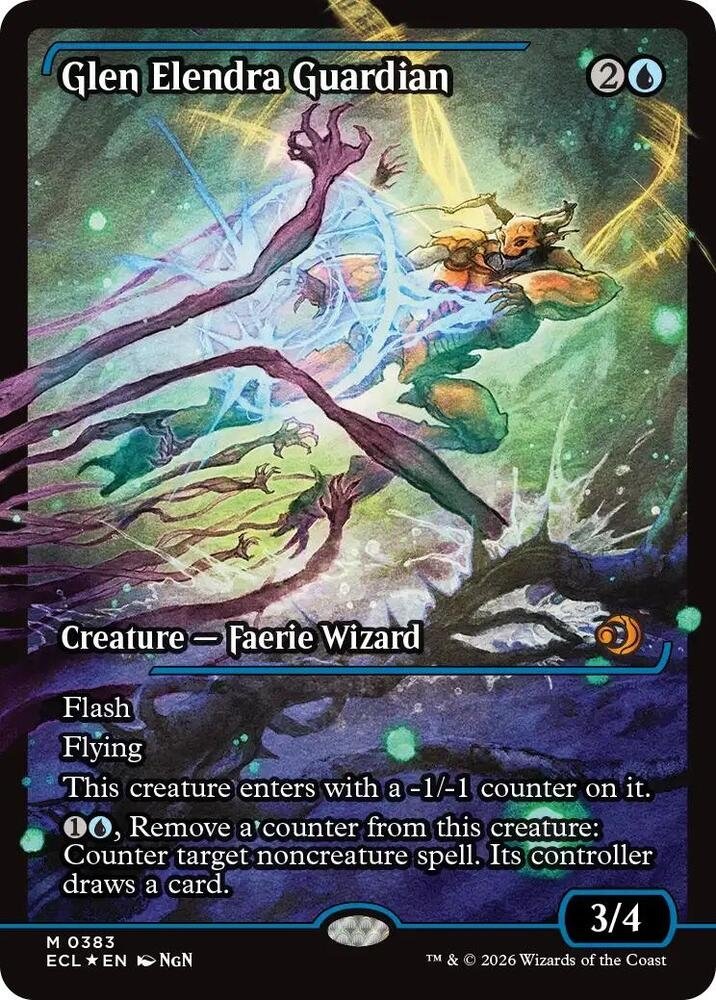
Glen Elendra Guardian – Self-removing counters make it perfect for Blight-heavy metas.
Rakdos (Black-Red): Goblins*
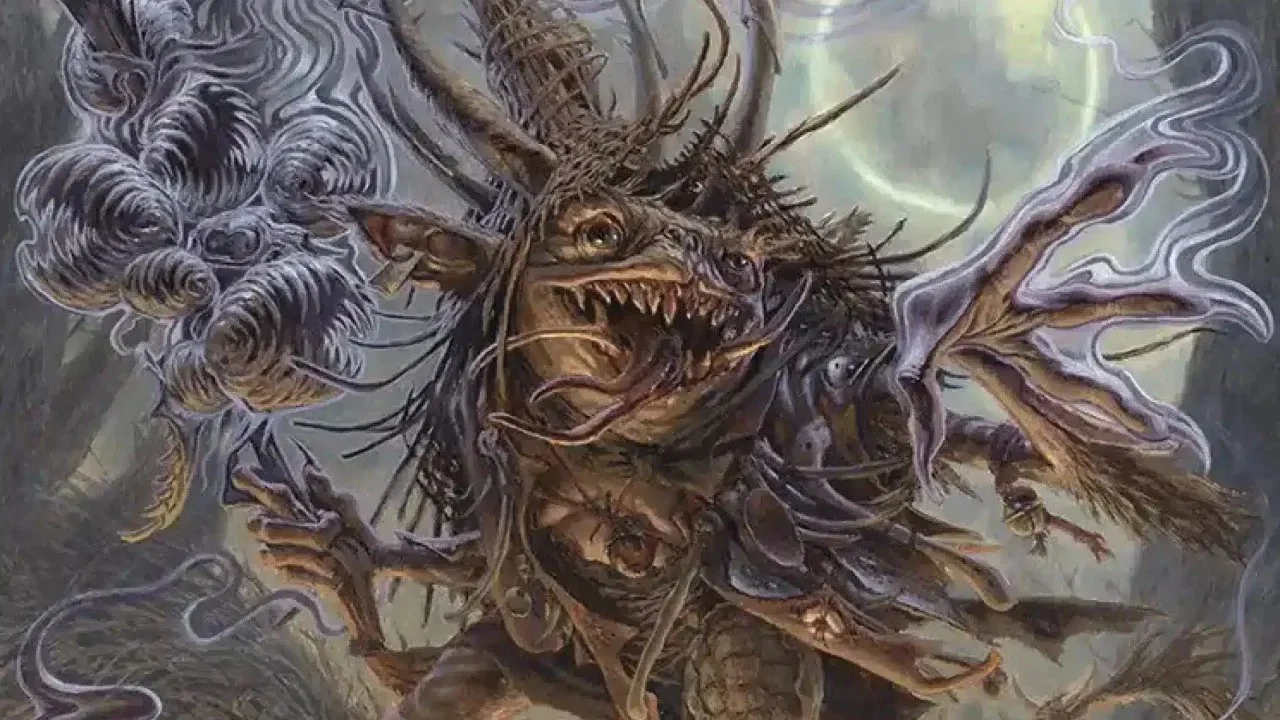
Rakdos Goblins are one of the loudest, messiest, and most explosive archetypes in Lorwyn Eclipsed, and that’s exactly what they want to be.
This deck revolves around Blight as a resource, not a drawback. Your goal isn’t to protect your creatures from Blight—it’s to weaponize it. You’ll flood the board with Goblin tokens, stack Blight counters where they don’t matter, and sacrifice recklessly to generate damage, value, and board swings that opponents struggle to recover from.
If Rakdos Goblins feel familiar, that’s because they mirror the Blight Curse Commander precon almost perfectly. This archetype wants chaos, corrosion, and constant pressure.
How Rakdos Goblins win.
Overloading expendable creatures with Blight
Sacrifice engines that turn death into damage
Forcing opponents into bad blocks or no blocks at all
It’s fast, aggressive, and surprisingly resilient when piloted correctly.
Key cards for building Rakdos Goblins:
Commons:
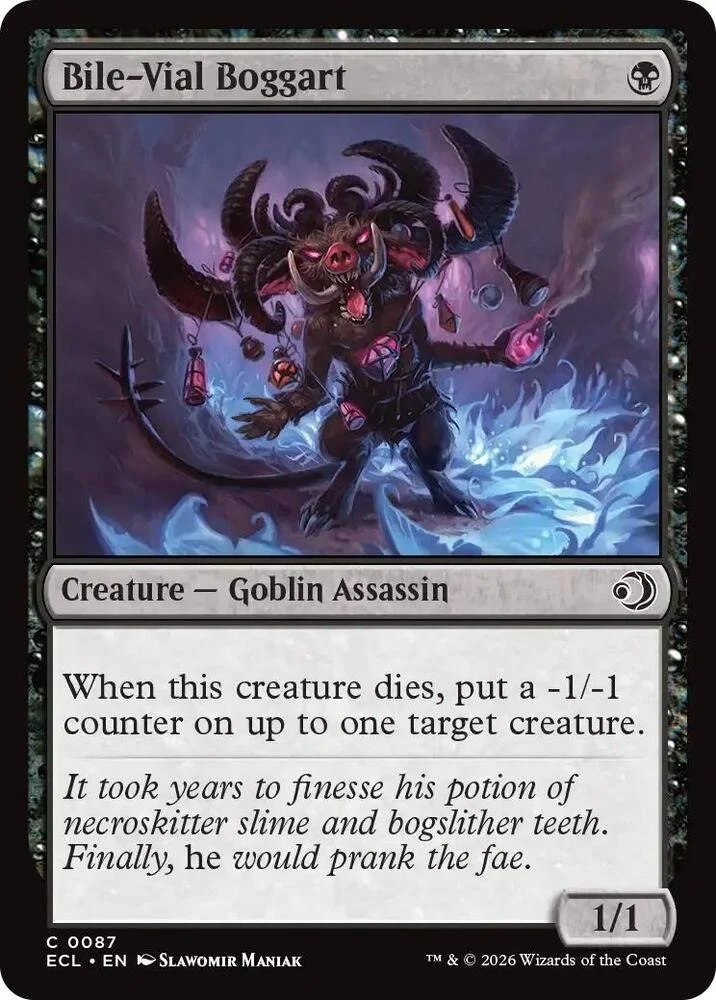
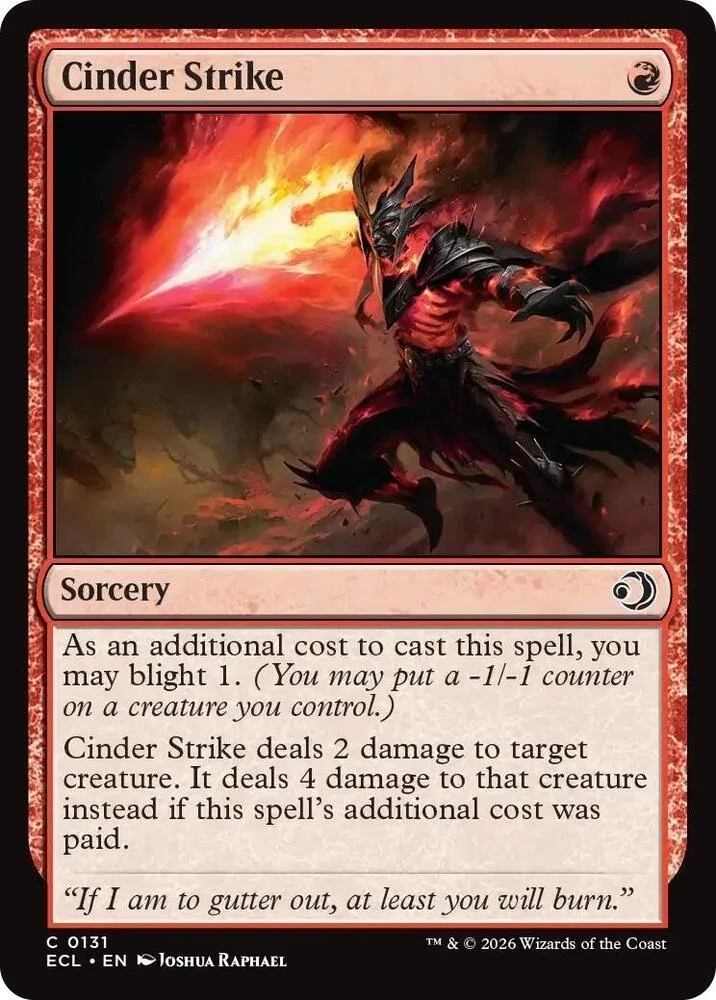
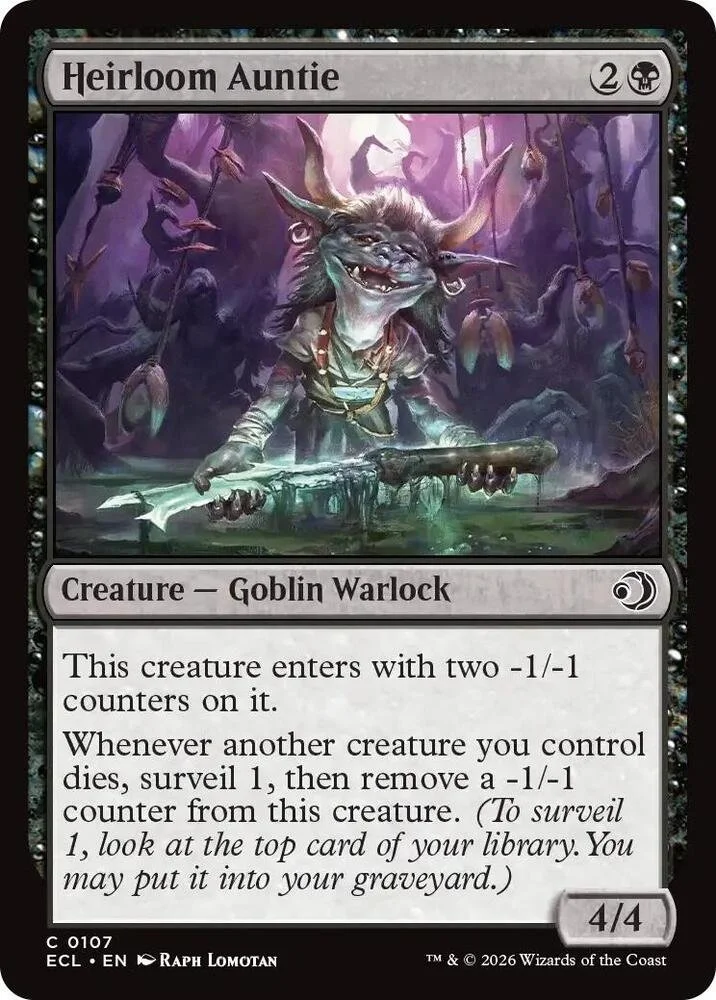
Bile-Vial Boggart – Perfect sac fodder that discourages blocks.
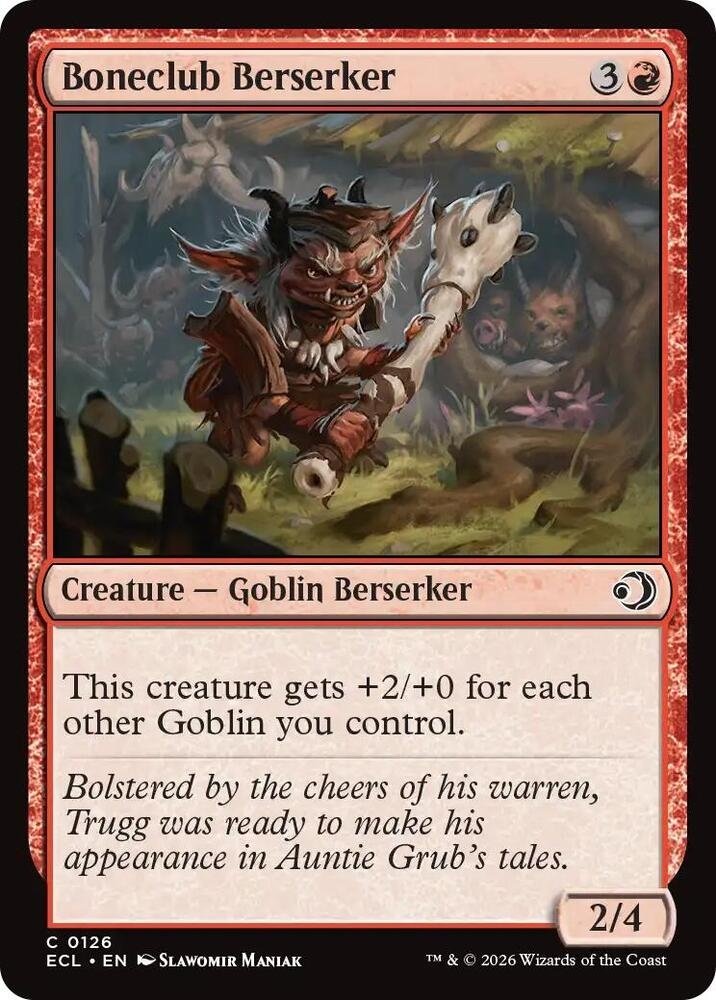
Boneclub Berserker – Absurd at common; scales rapidly with even a modest board.
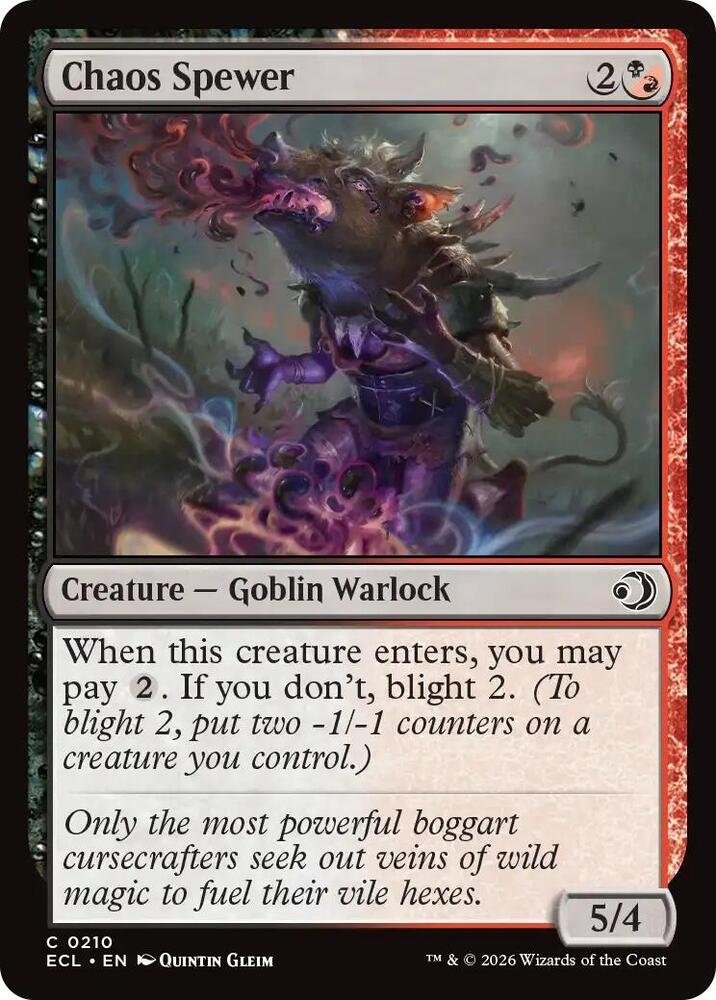
Chaos Spewer – Massive stats for the cost when Blight is managed properly.
Cinder Strike – Efficient removal at a minimal Blight cost.
Heirloom Auntie – Turns Blight counters into card selection and board presence.
Uncommons:
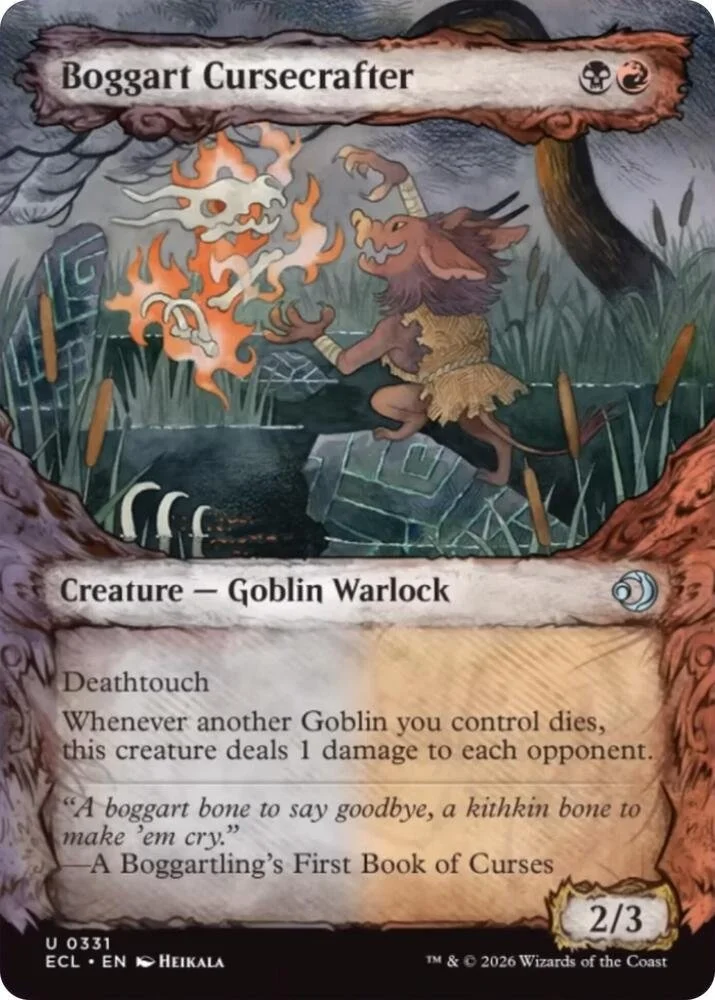
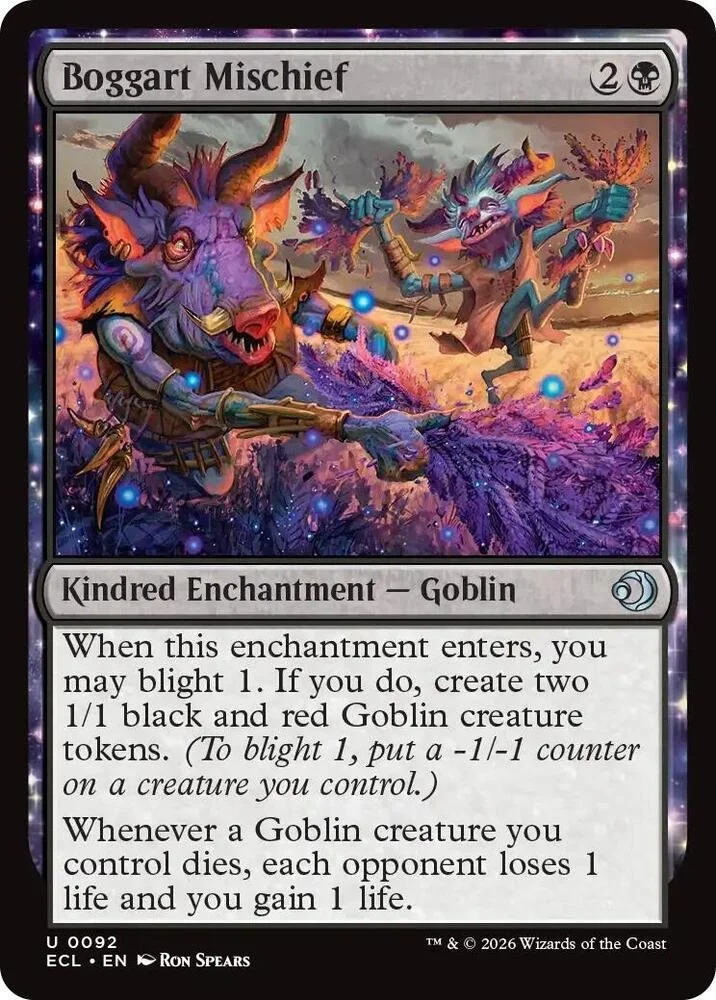
Boggart Cursecrafter – Converts sacrifice into repeatable damage.
Boggart Mischief – Kindred Goblin spell that creates tokens and enables combos.
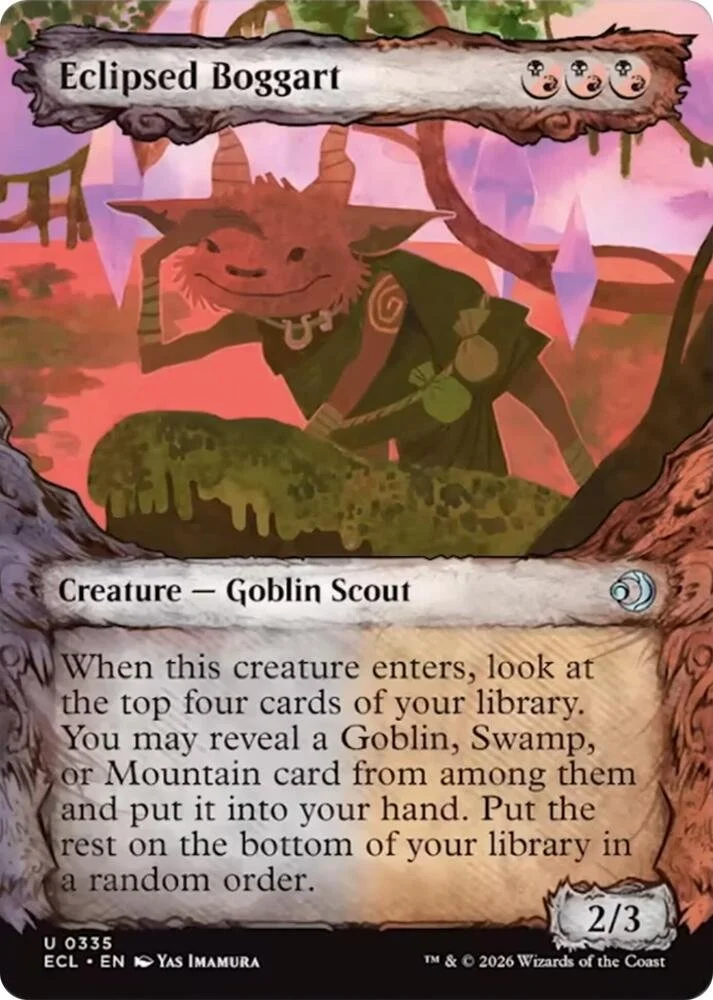
Eclipsed Boggart – Consistency tool in Limited-sized decks.
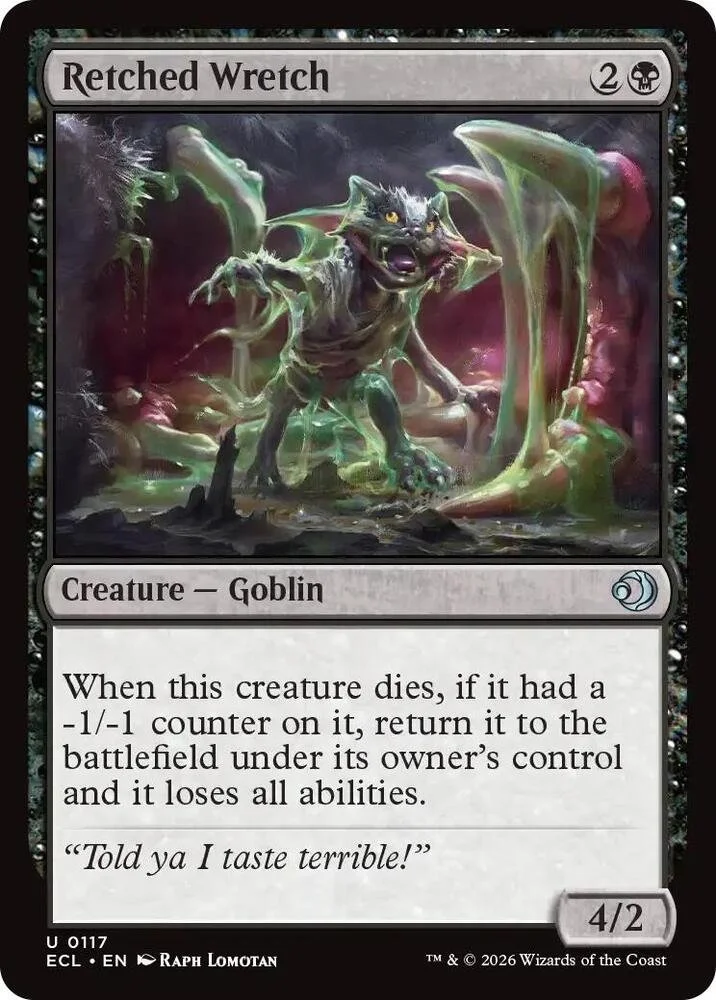
Retched Wretch – Wants Blight; punishes opponents for killing it.
Rares & Mythics:
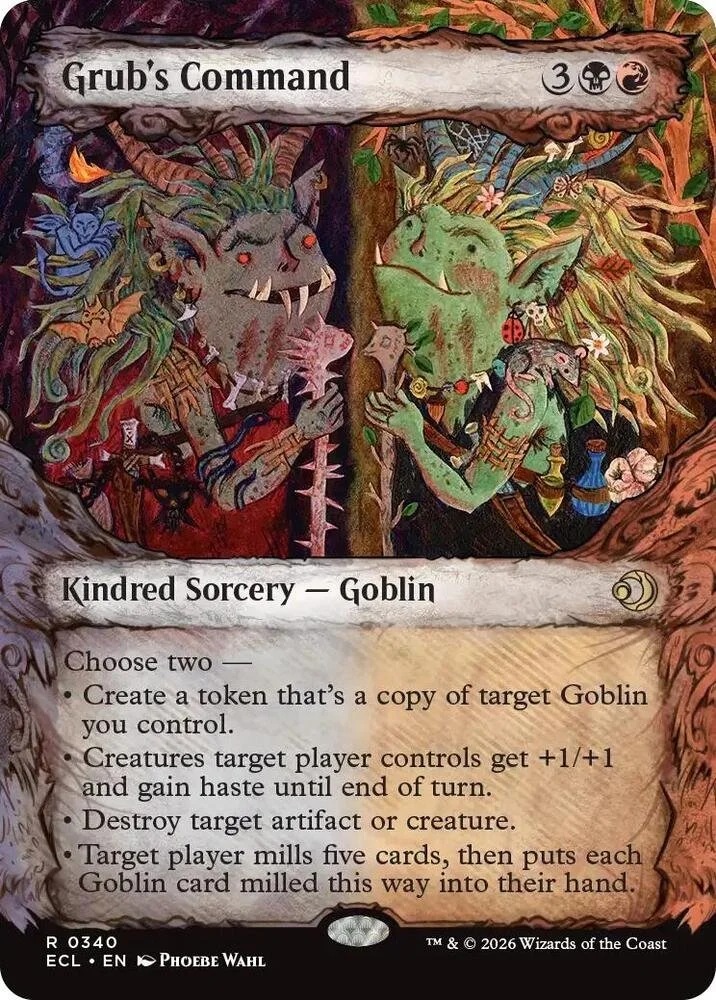
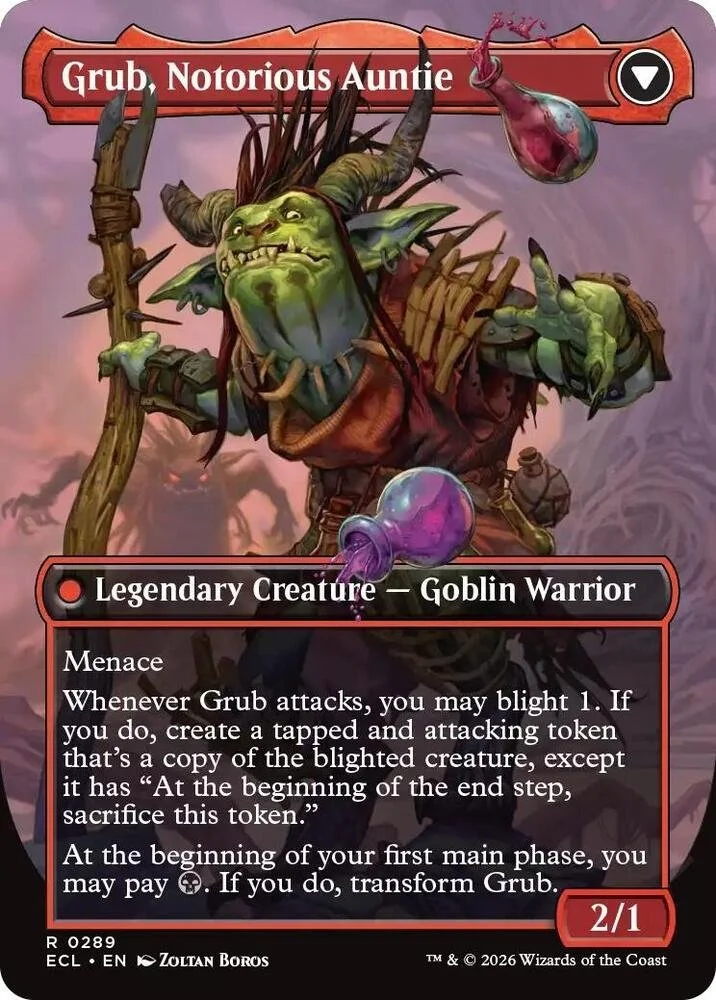
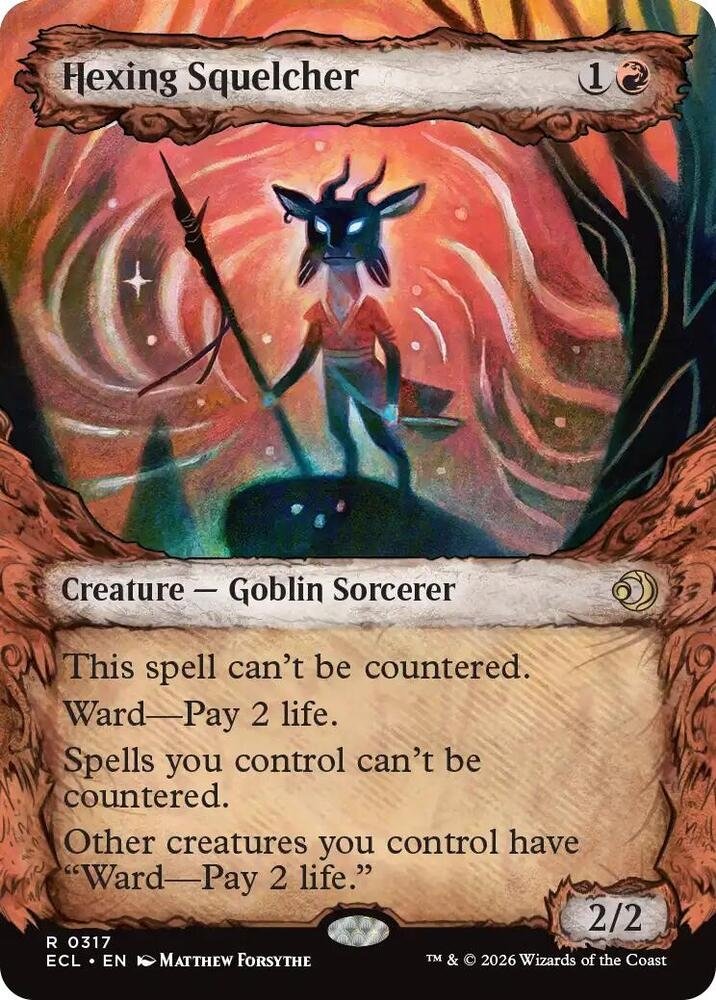
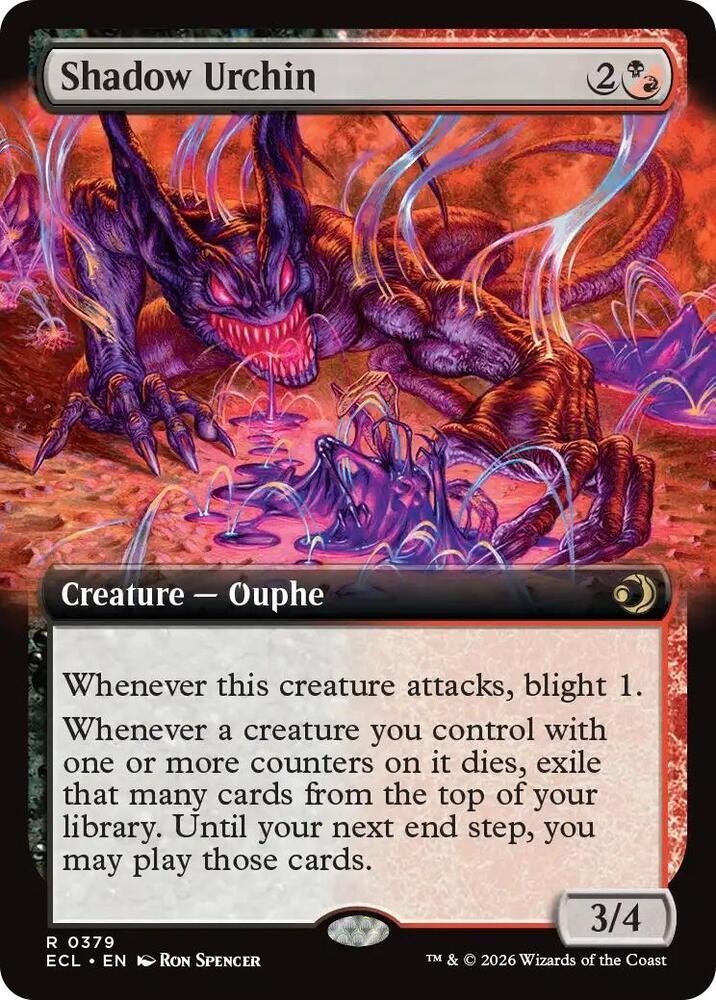
Grub’s Command – Aggressive Kindred spell that fits the deck’s plan.
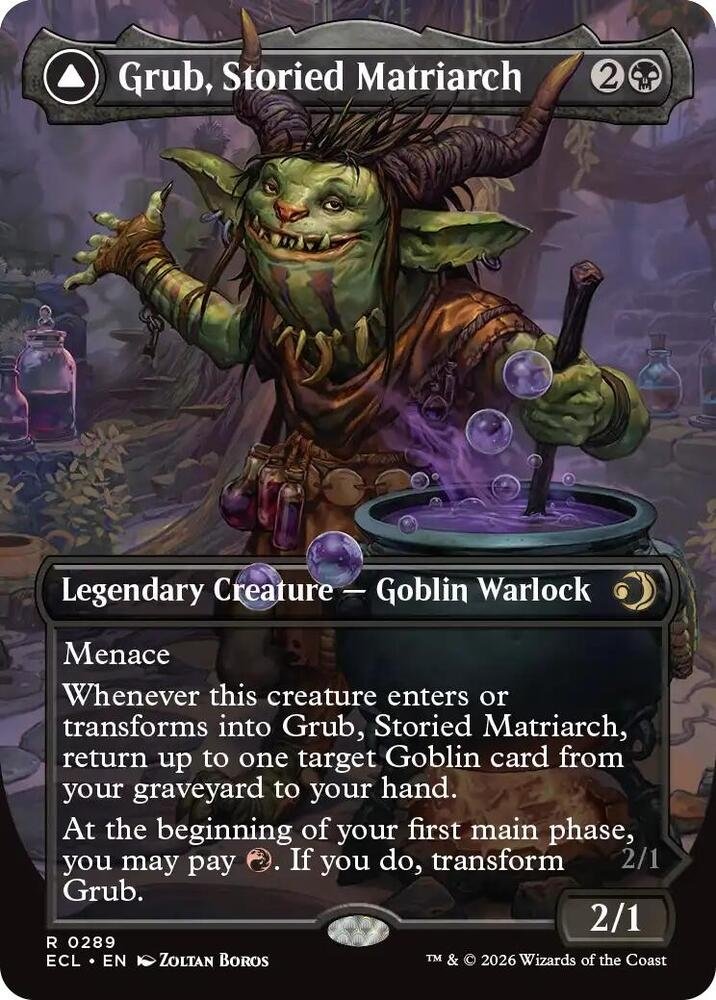
Grub, Storied Matriarch // Grub, Notorious Auntie – Recursion engine and sacrifice payoff.
Hexing Squelcher – Format-warping static effect despite fragile stats.
Shadow Urchin – Reliable card access.
Gruul (Red-Green): Vivid Mid-Range
Gruul Vivid isn’t a full archetype on its own so much as it is a bridge strategy. It exists to help you transition into something bigger—usually Temur or WUBRG Elementals.
This version of Vivid focuses on midrange pressure, using large creatures and spell-doubling effects to overwhelm opponents before the late game fully stabilizes. Unlike Simic Vivid, which ramps patiently, Gruul wants to hit hard while still benefiting from multi-color rewards.
Because Vivid naturally encourages splashing, Gruul decks should rarely stay strictly two-color. Treat Red–Green as your base, then expand outward.
Where Gruul Vivid shines:
Elemental-heavy pools
Decks with strong ETB creatures
Drafts where fixing is abundant
If your deck starts feeling greedy, you’re probably doing it right.
Key cards for building Gruul Vivid:
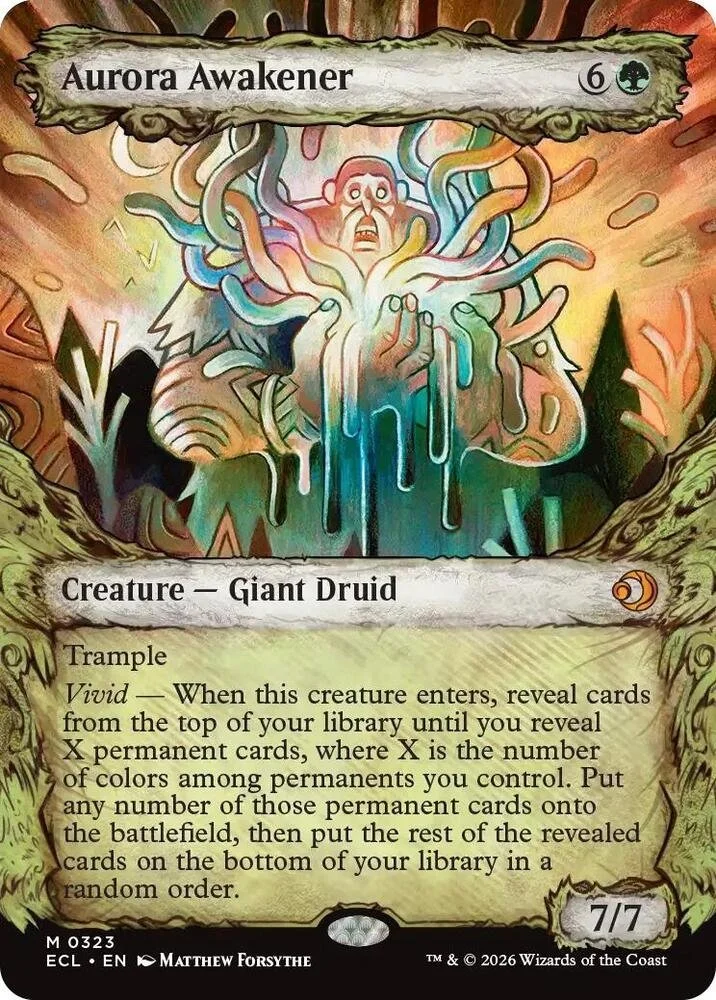
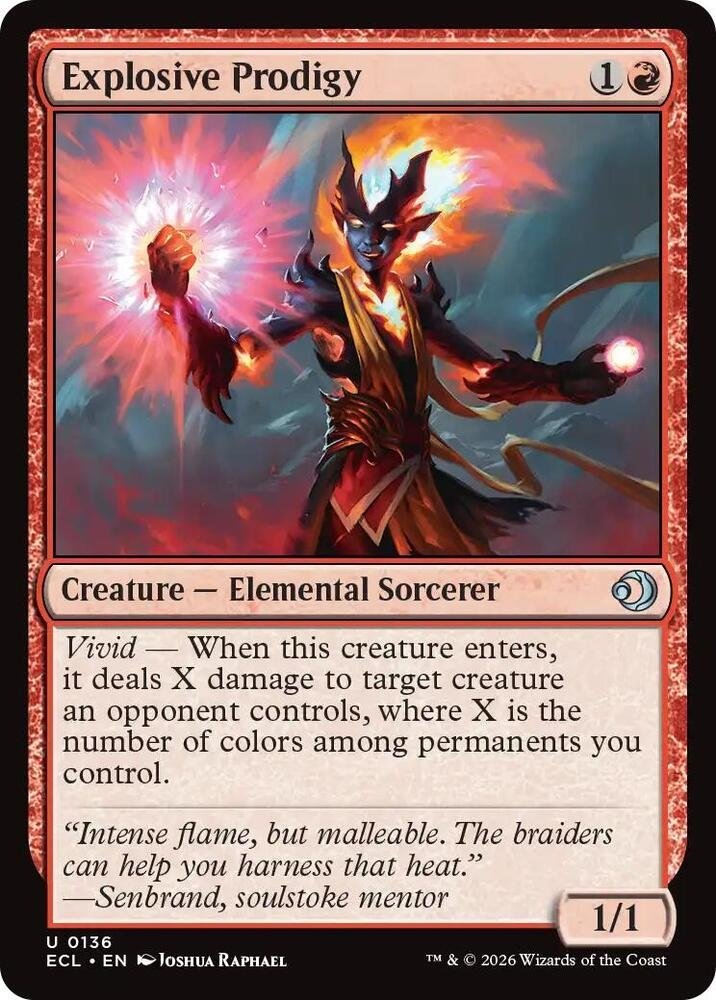
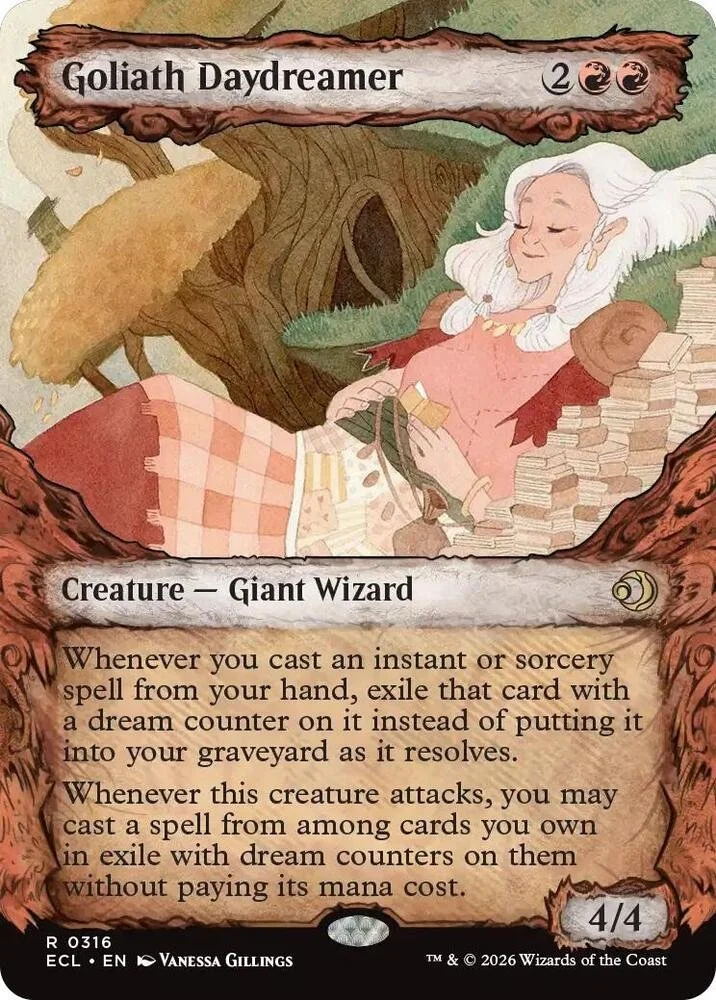
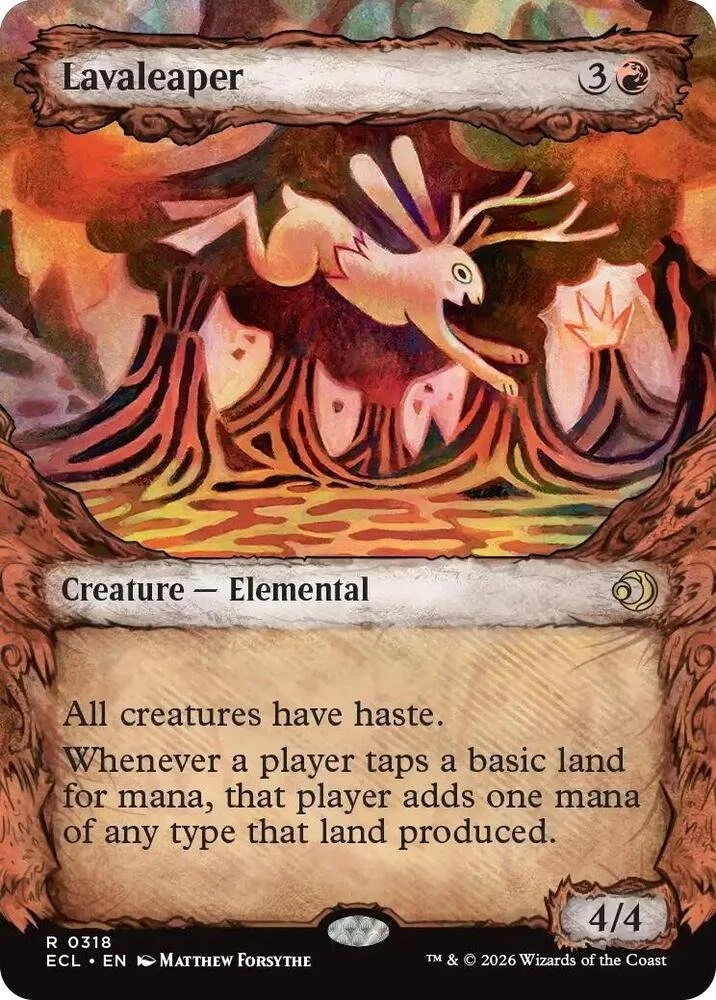
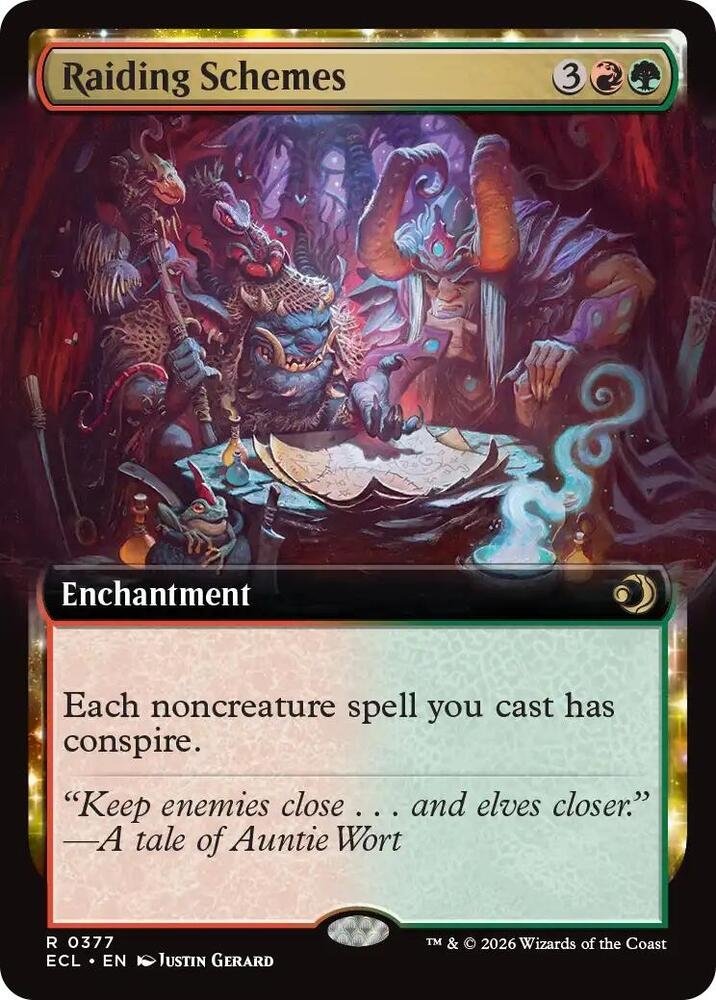
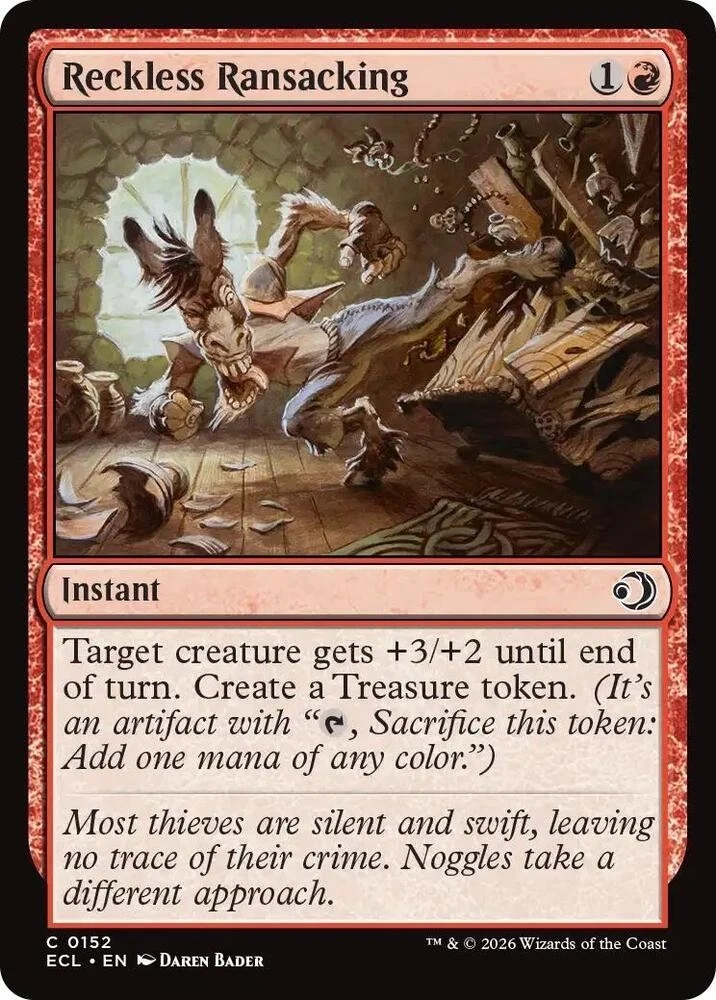
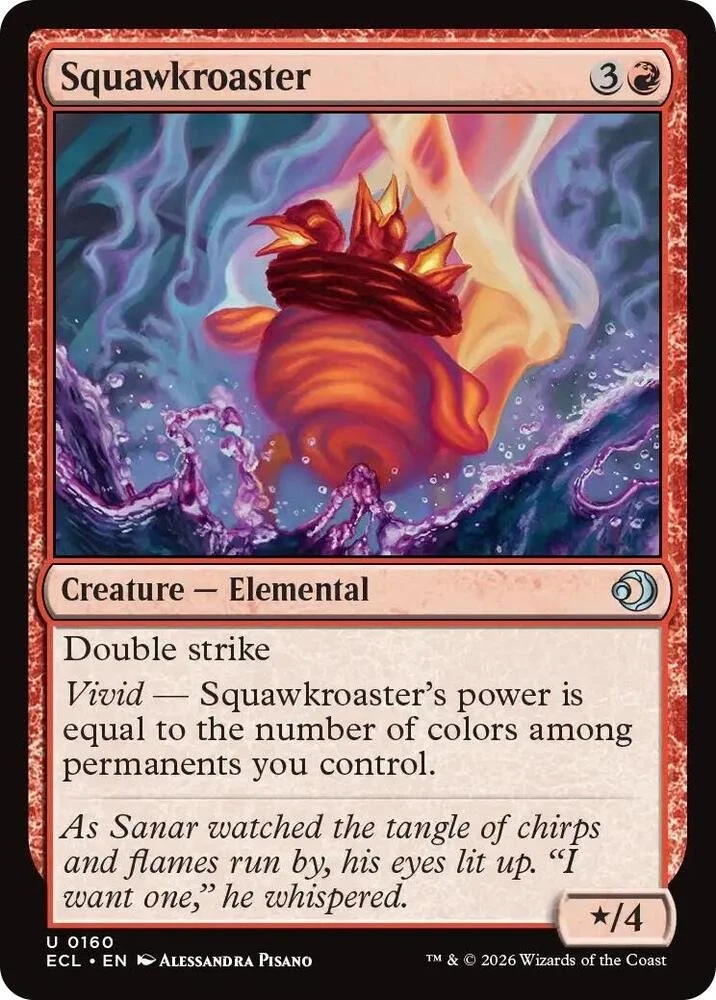
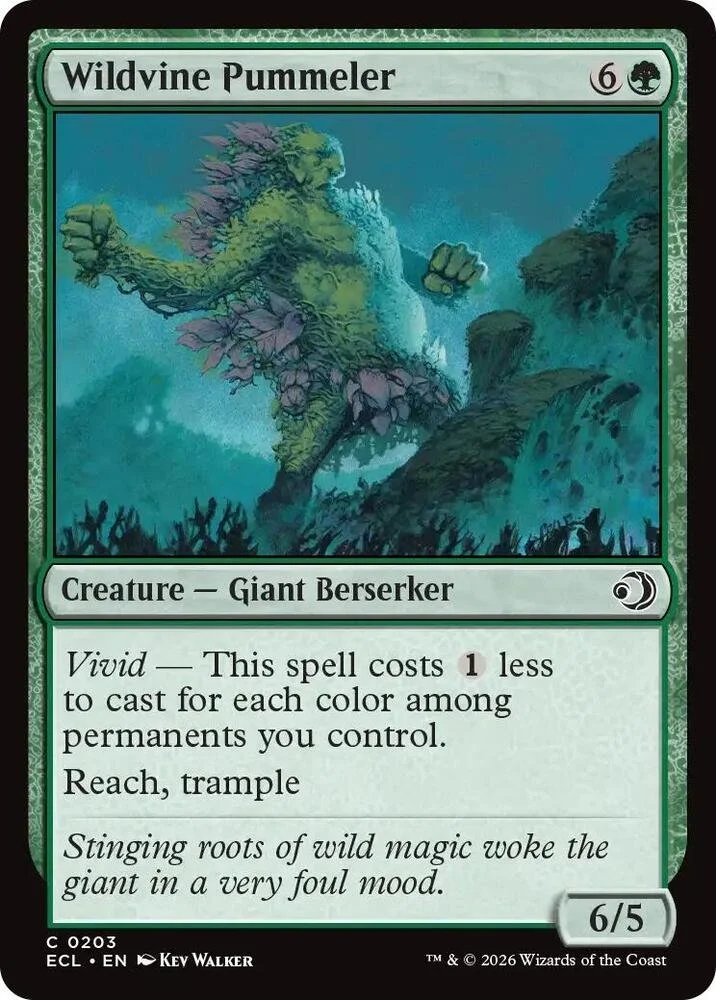
Aurora Awakener – Cheats expensive Elementals into play.
Explosive Prodigy – ETB removal stapled to a body.
Goliath Daydreamer – Doubles spell value.
Lavaleaper – Haste enabler and pseudo-ramp.
Raiding Schemes – High-risk, high-reward spell multiplier.
Reckless Ransacking – Treasure production matters more than the buff.
Squawkroaster – Efficient Elemental with explosive damage output.
Wildvine Pummeler – Discounted finisher that ends games quickly.
Selesnya (Green-White): Kithkin*
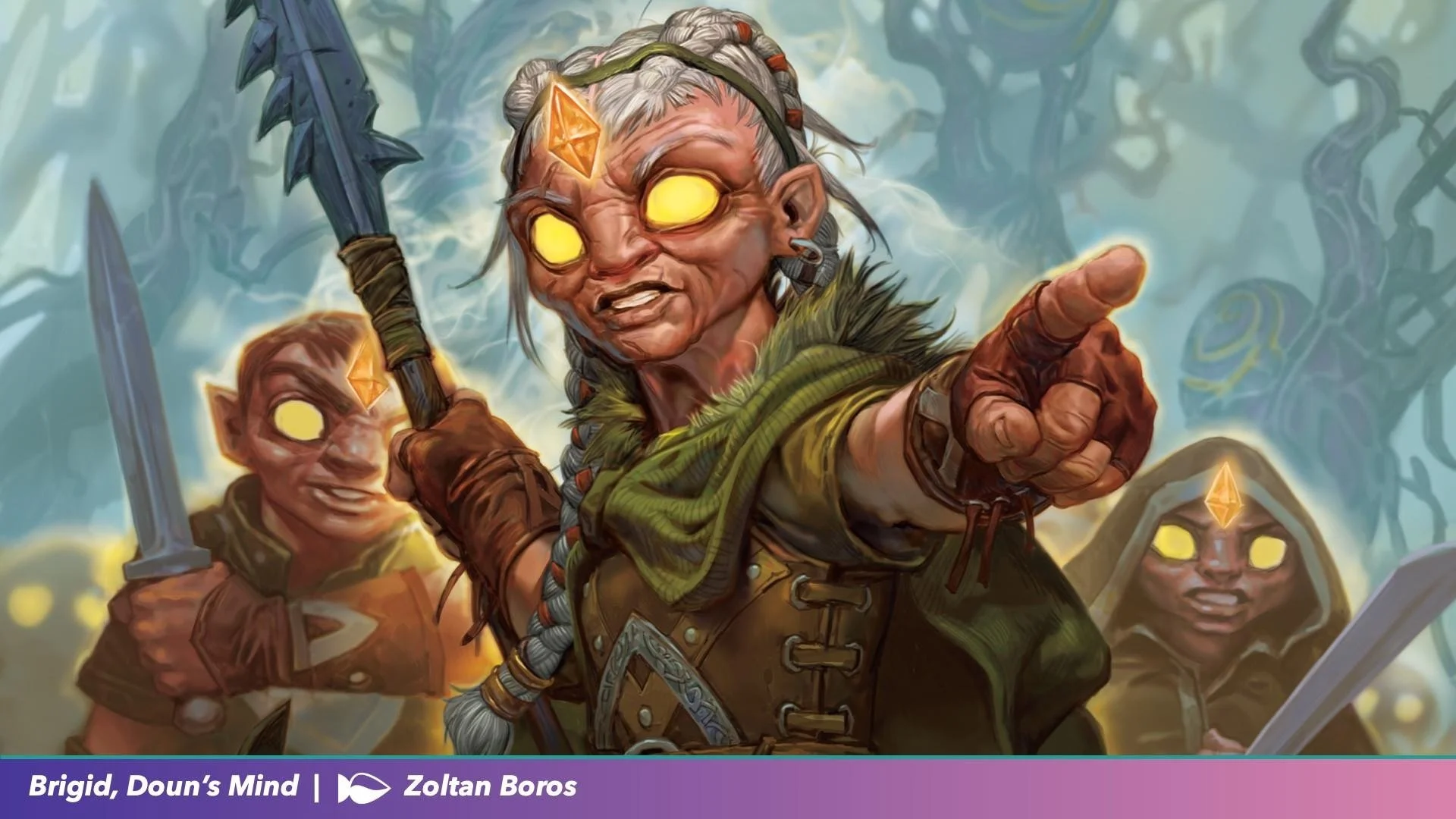
Selesnya Kithkin are classic go-wide aggression, but Lorwyn Eclipsed gives them enough depth to stay relevant deep into the game.
This deck wants to establish a wide board quickly, then turn every creature entering the battlefield into a permanent advantage. ETB triggers, token production, and tribal payoffs stack rapidly, often forcing opponents to answer multiple threats every turn.
While straightforward on paper, Kithkin reward careful sequencing. Knowing when to commit more to the board—and when to hold back—is the difference between overwhelming your opponent and walking into a blowout.
How Kithkin close games:
Snowballing board states
Repeated token production
Massive anthem-style finishers
If unanswered, Kithkin don’t just win, they bury opponents.
Key cards for building Selesnya Kithkin:
Commons:
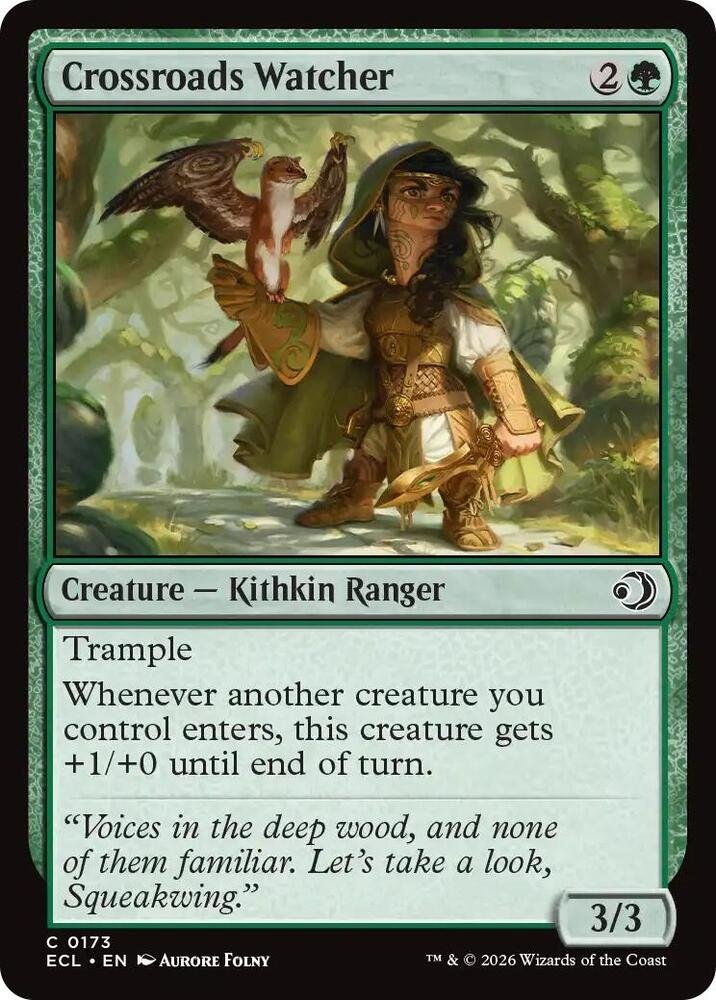
Crossroads Watcher – Trample finisher for wide boards.
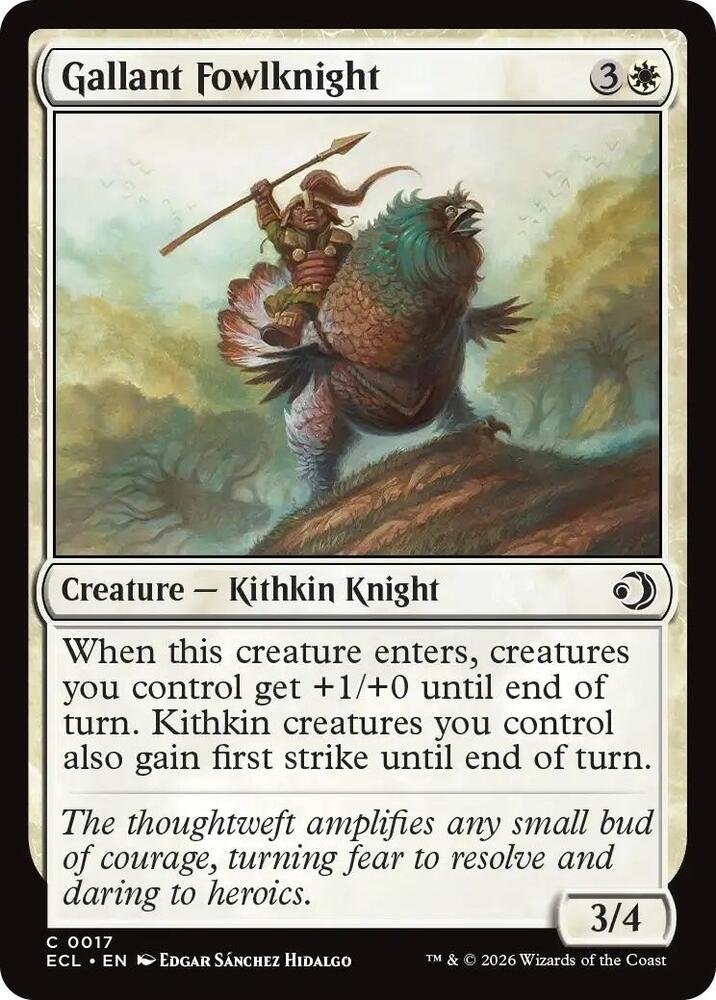
Gallant Fowlknight – First strike dramatically improves combat math.
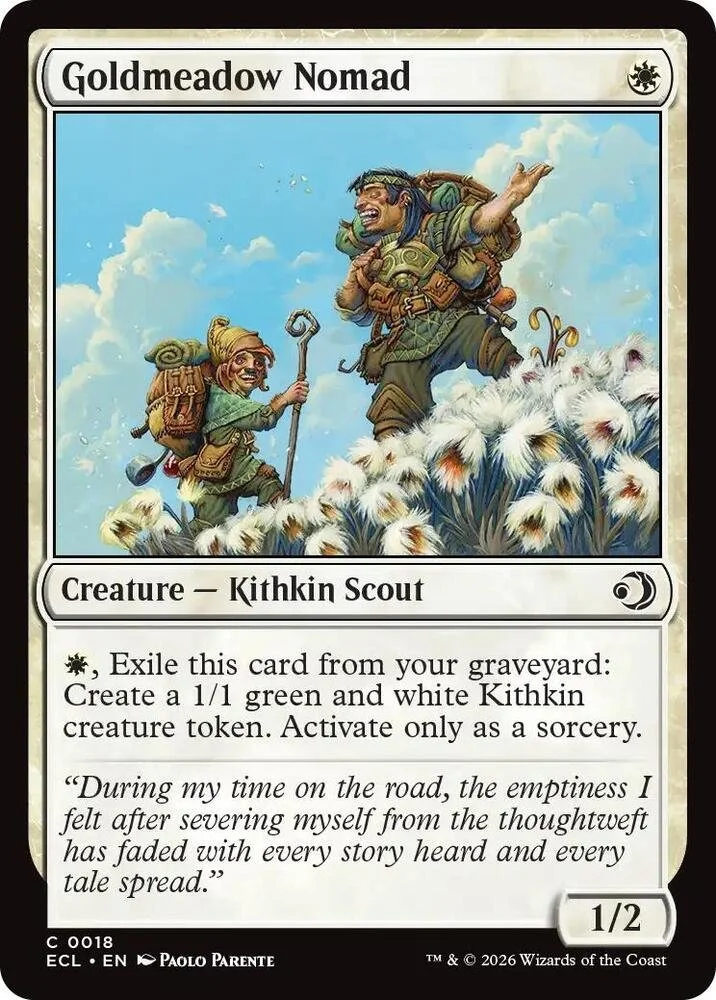
Goldmeadow Nomad – Post-death token keeps pressure up.
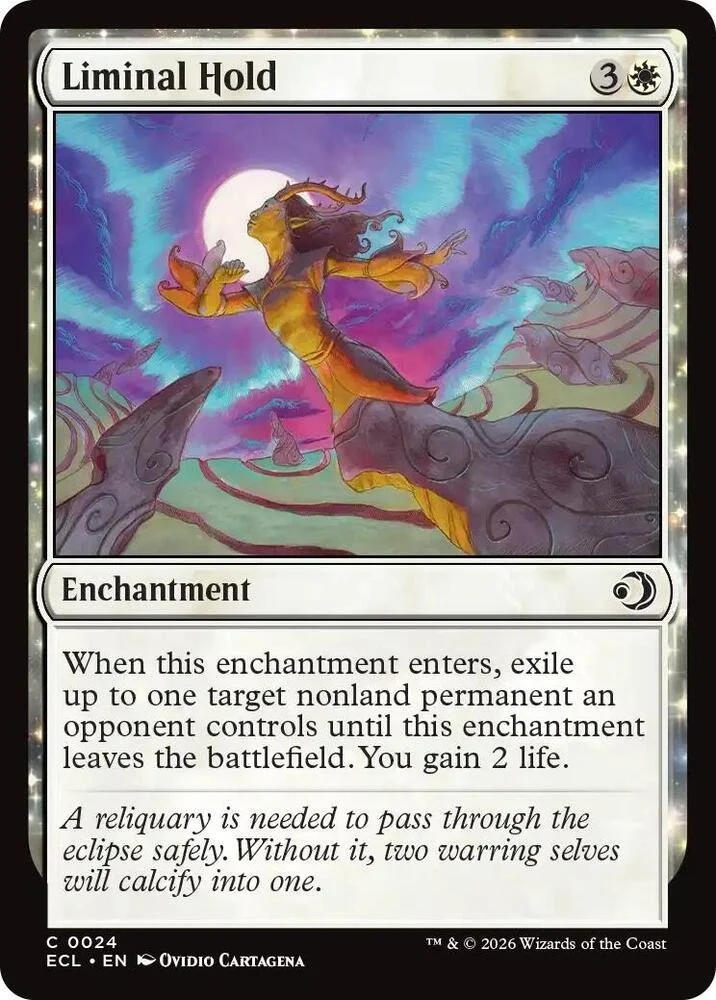
Liminal Hold – Premium removal in a format light on enchantment hate.
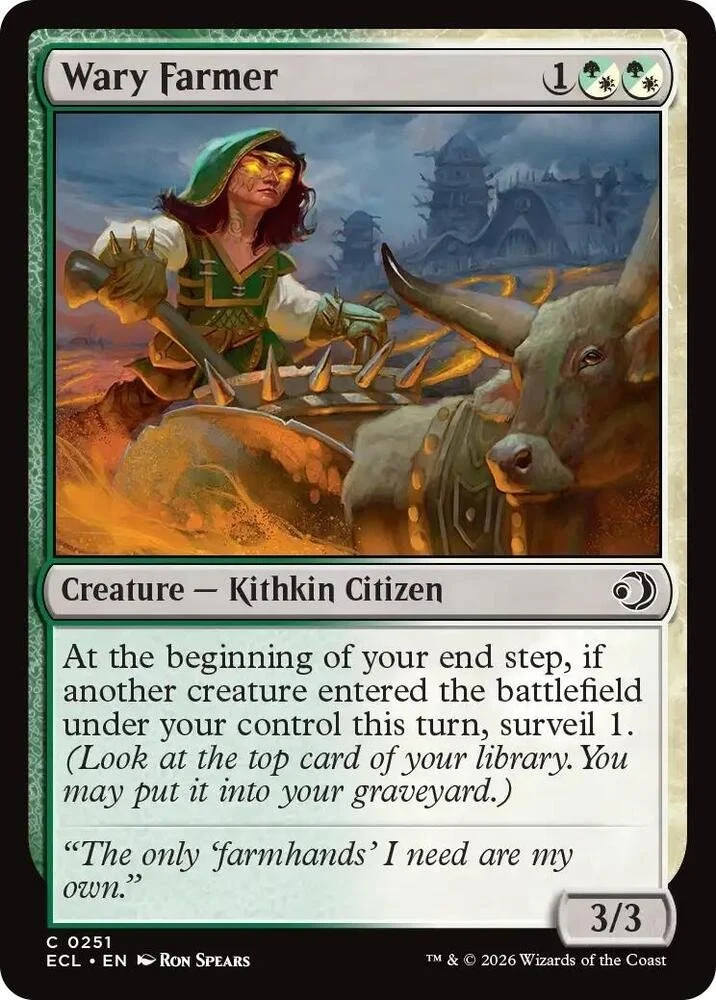
Wary Farmer – Card selection keeps gas flowing.
Uncommons:
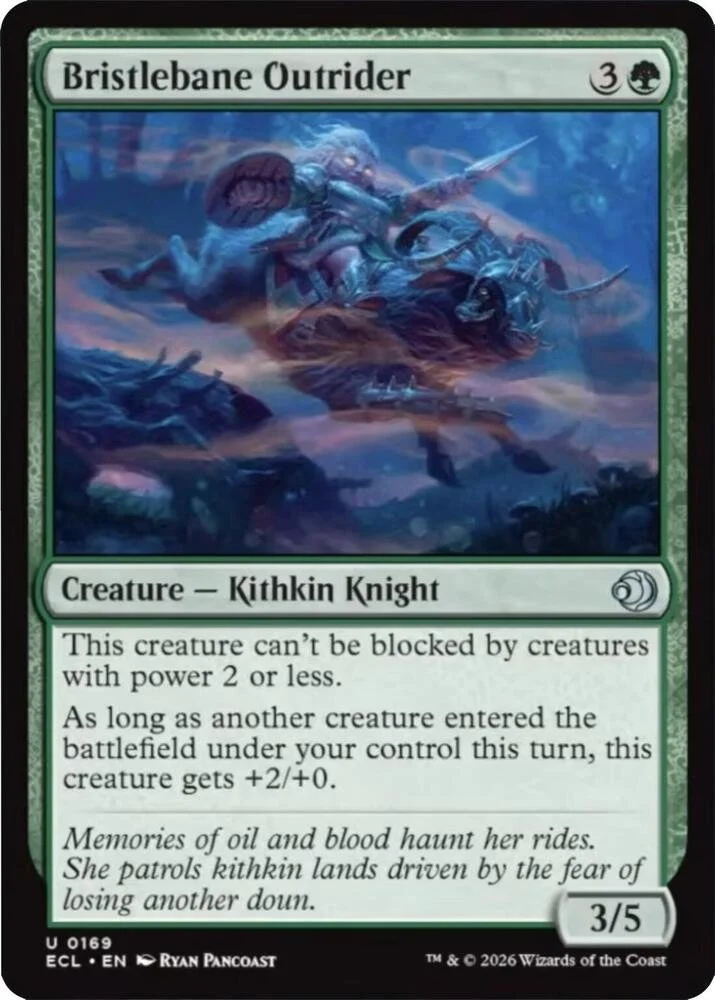
Bristlebane Outrider – Forces awkward blocks.
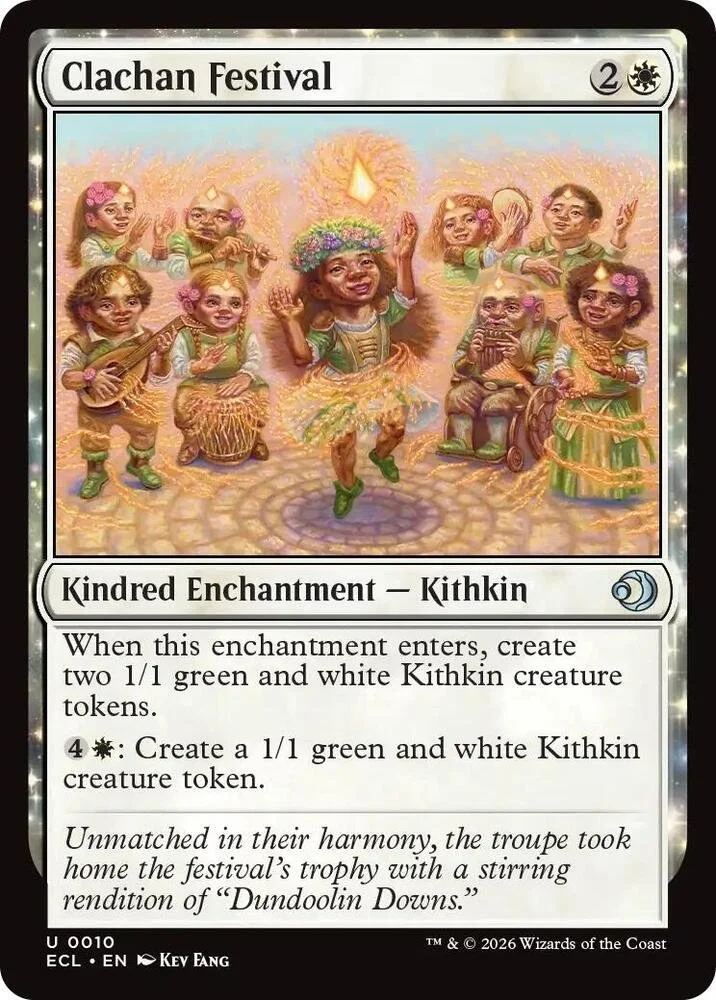
Clachan Festival – Kindred enchantment that scales aggressively.
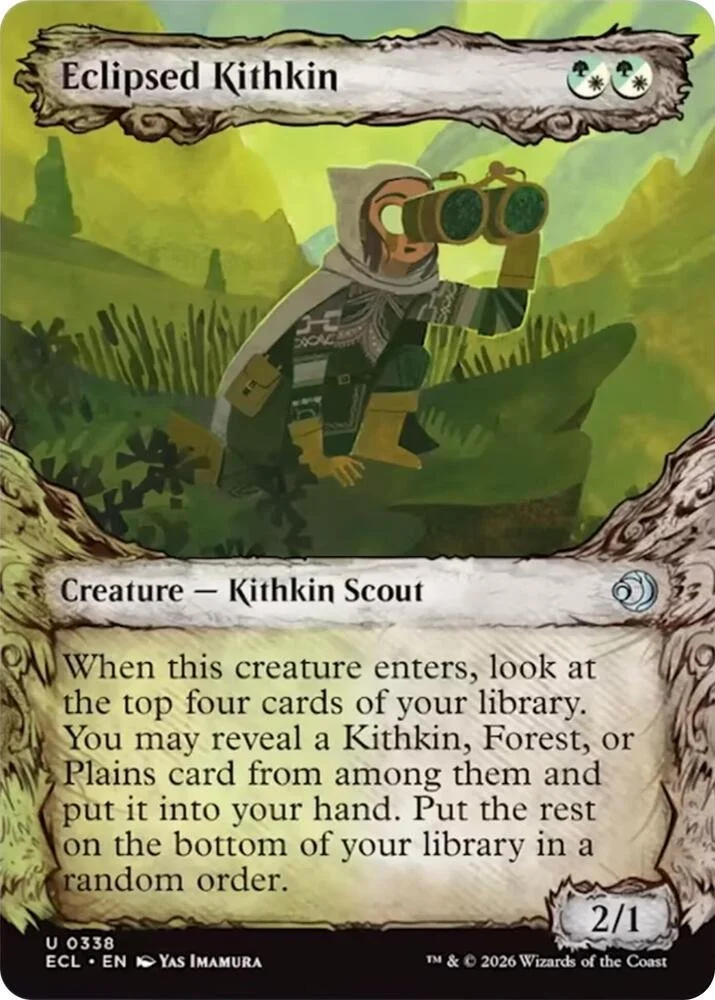
Eclipsed Kithkin – Consistency tool.
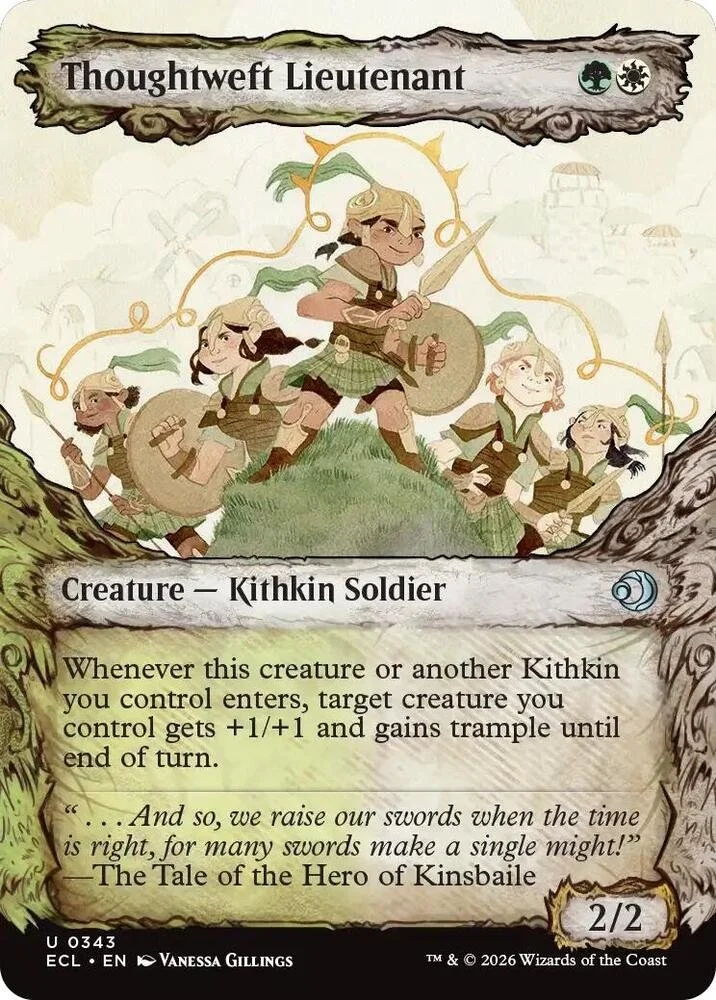
Thoughtweft Lieutenant – Signpost uncommon that turns every token into value.
Rares & Mythics:
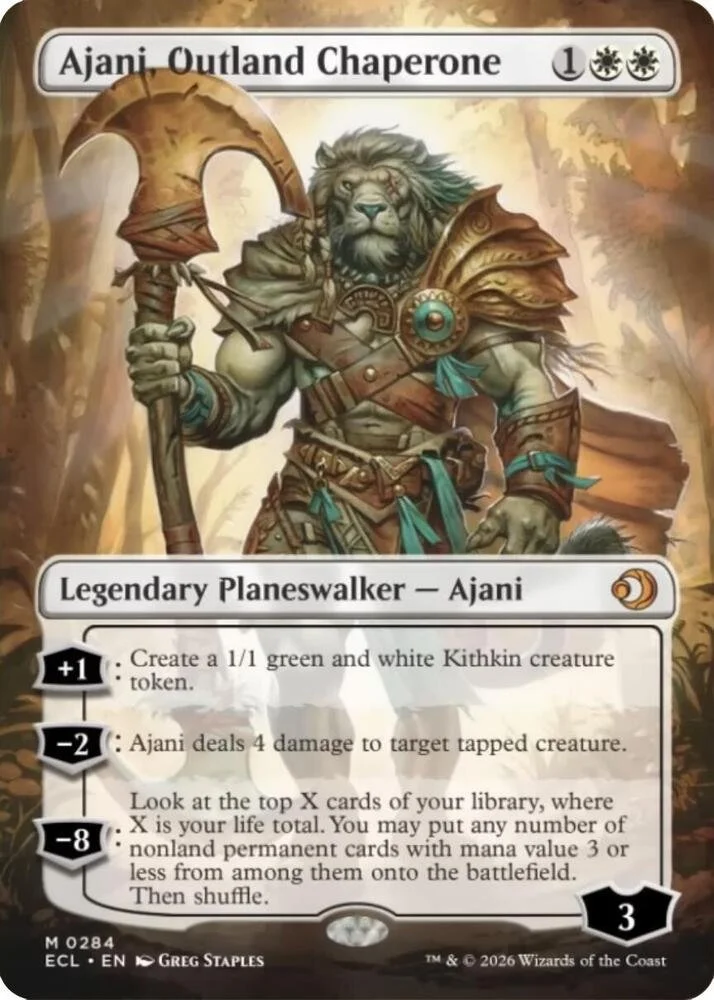
Ajani, Outland Chaperone – Token engine and free spells.
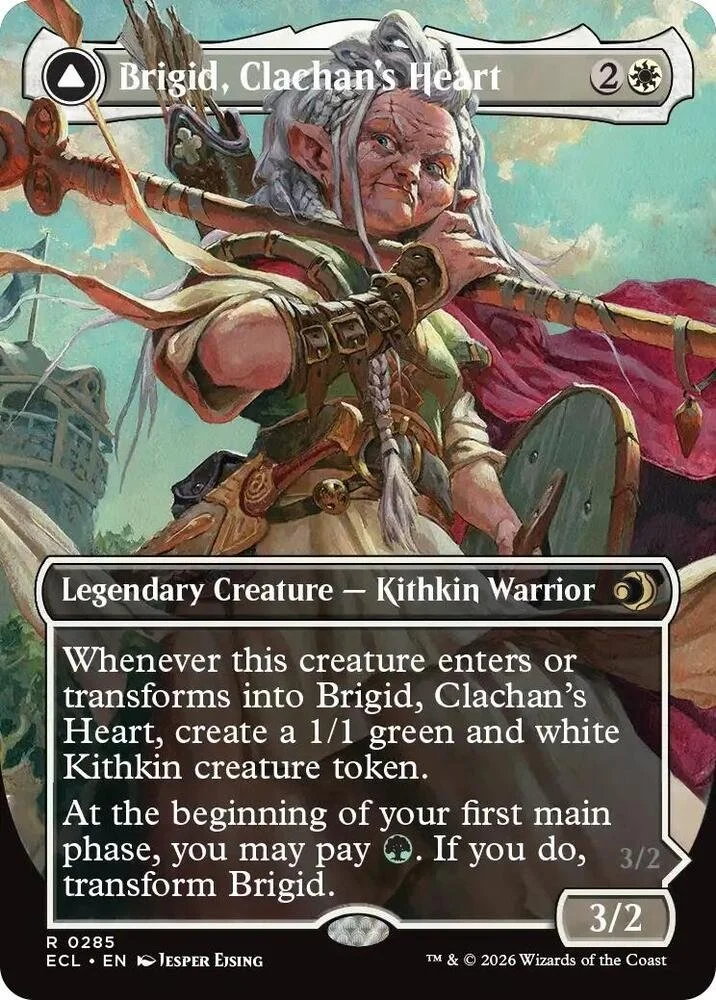
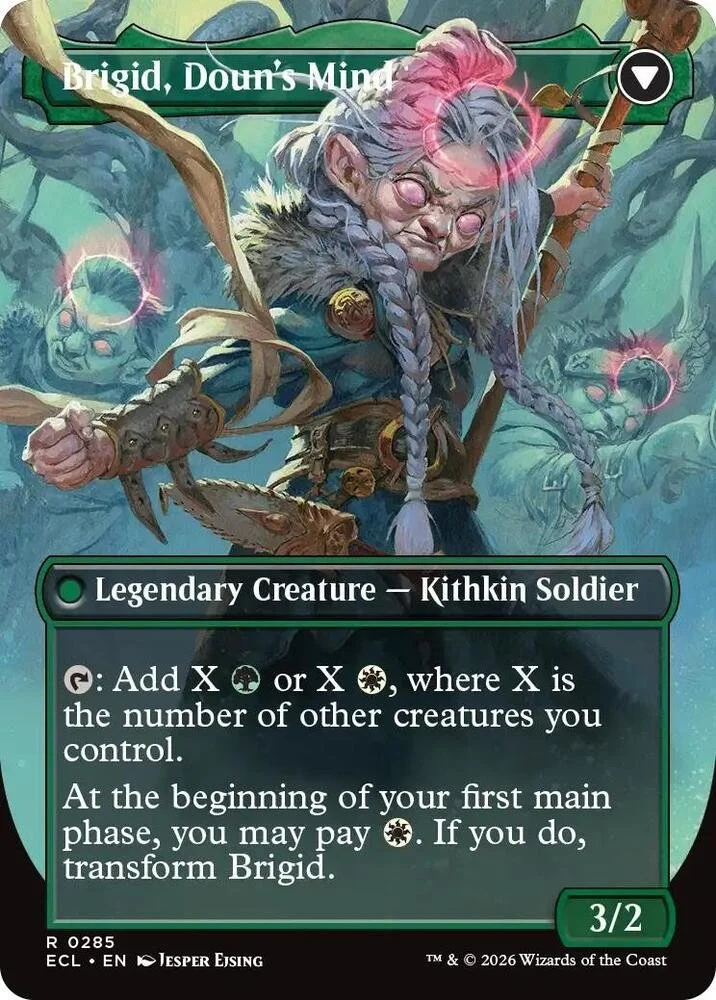
Brigid, Clachan’s Heart – Massive mana generation.
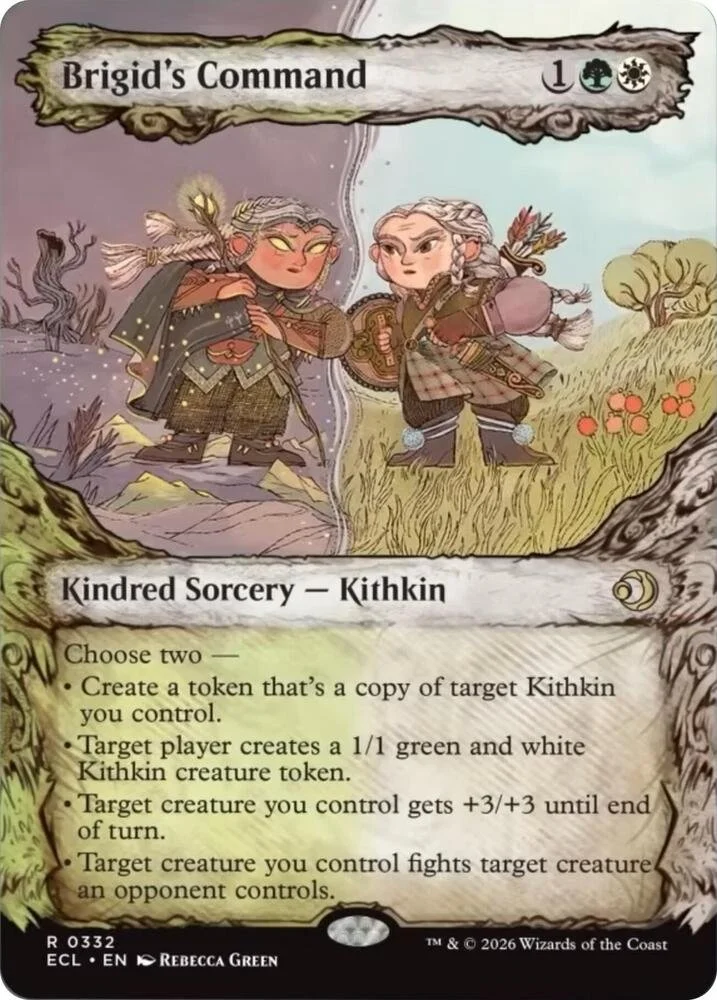
Brigid’s Command – Flexible Kindred payoff.
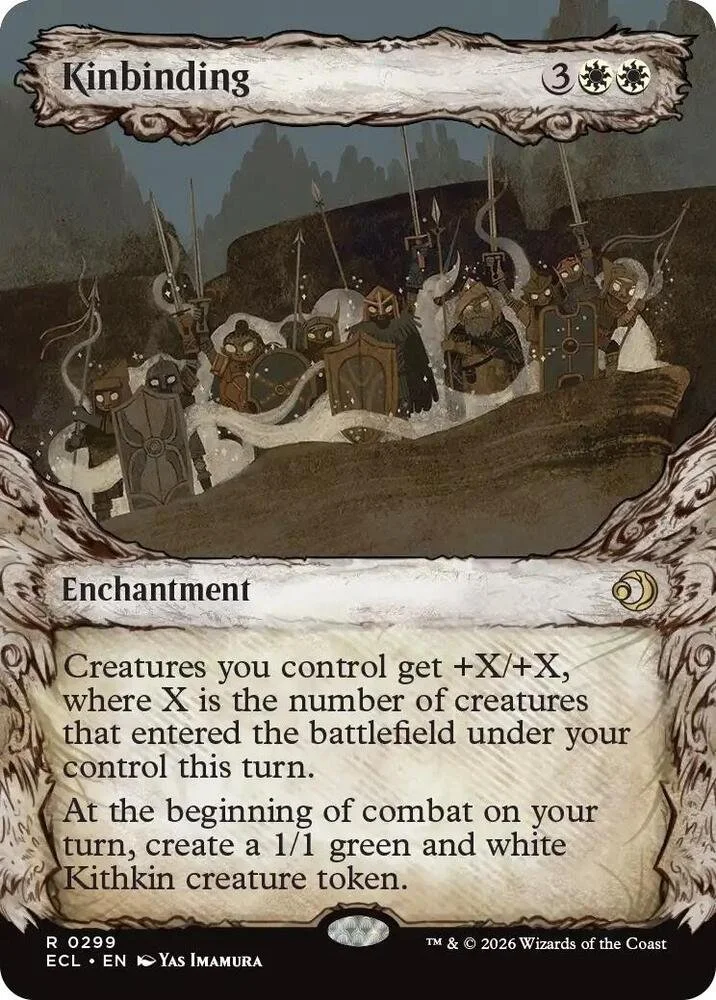
Kinbinding – Game-ending anthem effect.
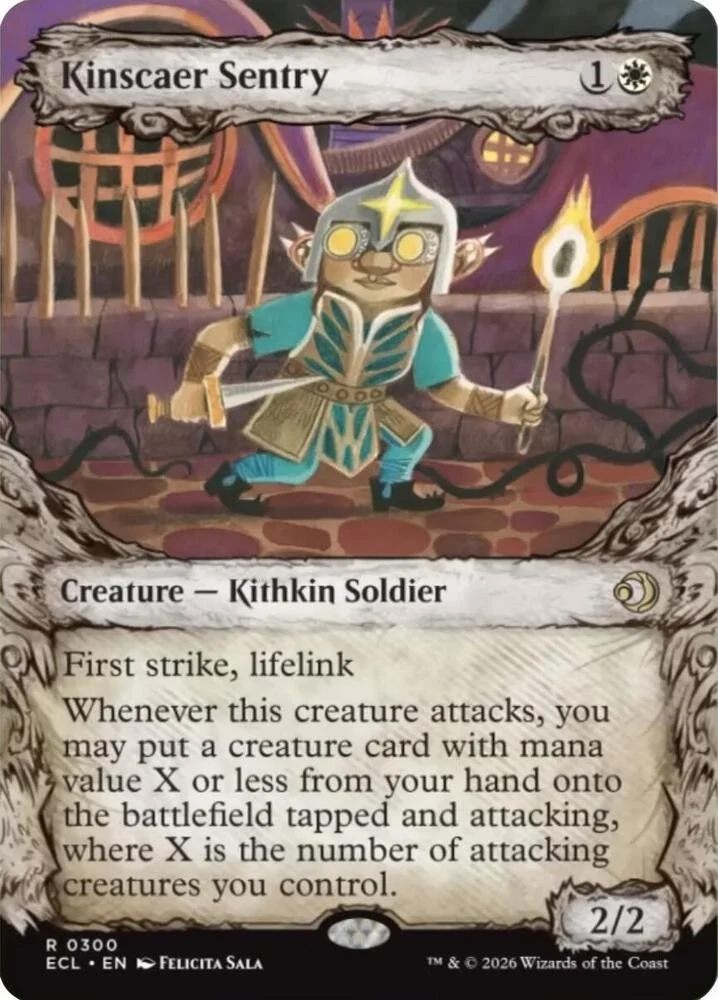
Kinscaer Sentry – Free spells win Limited games outright.
Orzhov (White-Black): Blight Value
Orzhov Blight plays Blight correctly.
Unlike Rakdos, which treats Blight as fuel for destruction, Orzhov uses Blight as a long-term value engine. You want creatures that can safely hold counters, remove them for benefits, or convert them into cards and recursion.
This archetype is methodical and resilient. The more Blight counters in play, the smoother your deck runs. Removal becomes flexible, creatures refuse to stay dead, and your board slowly becomes impossible to grind through.
Key Philosophy:
Don’t Blight recklessly
Stack counters on durable bodies
Remove them only when it benefits you
Orzhov Blight decks feel inevitable once established.
Key cards for building Orzhov Blight:
Blight Holders (Safe Places to Stack Counters):
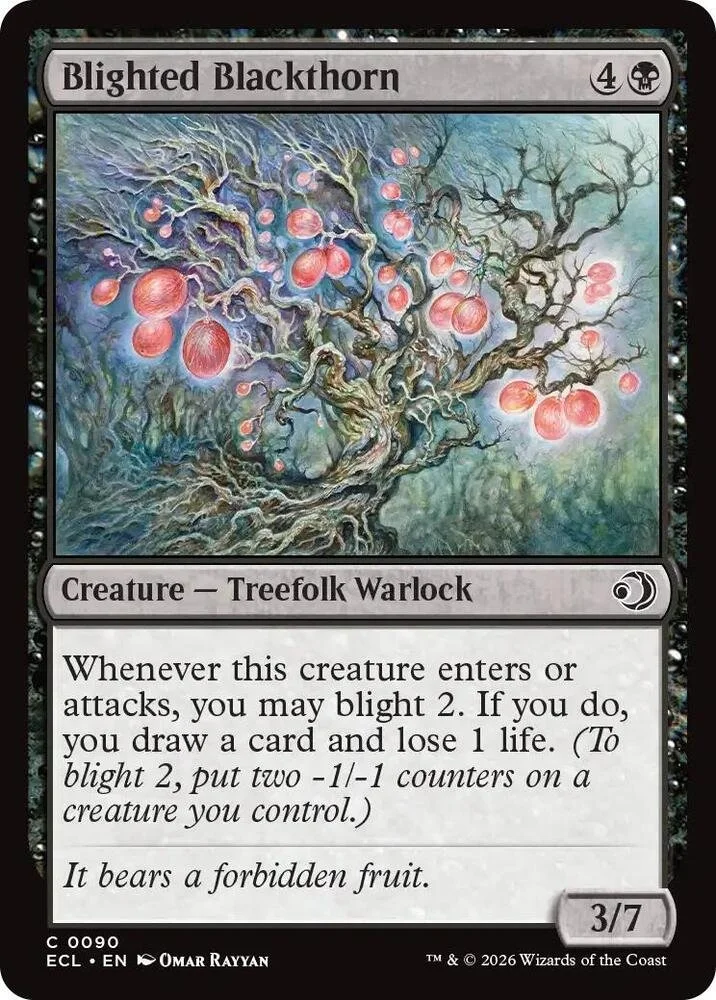
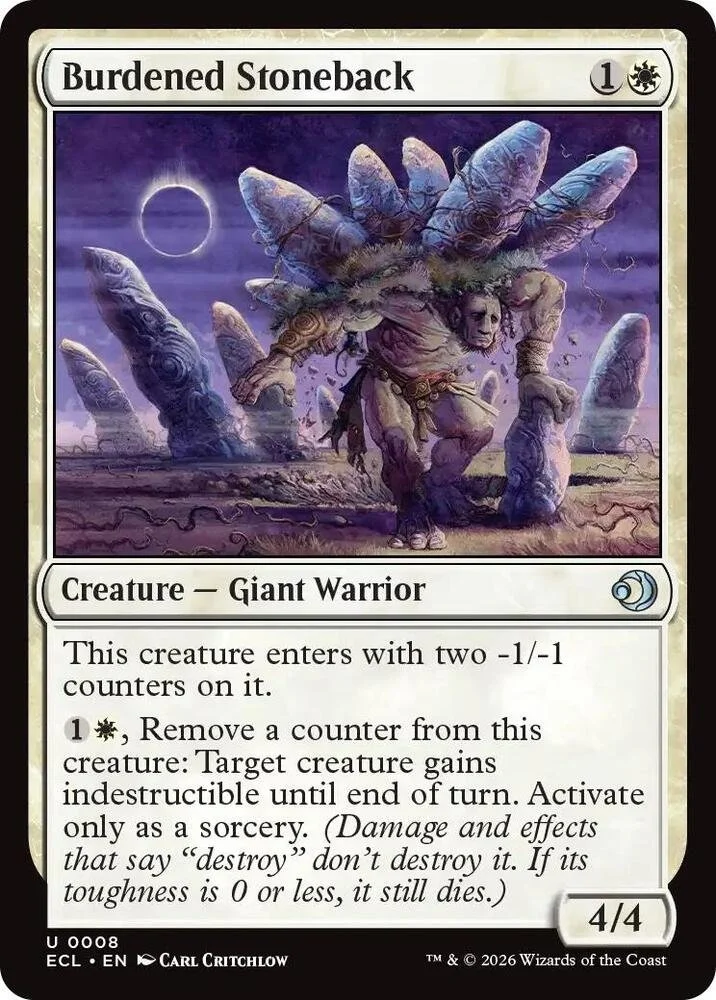
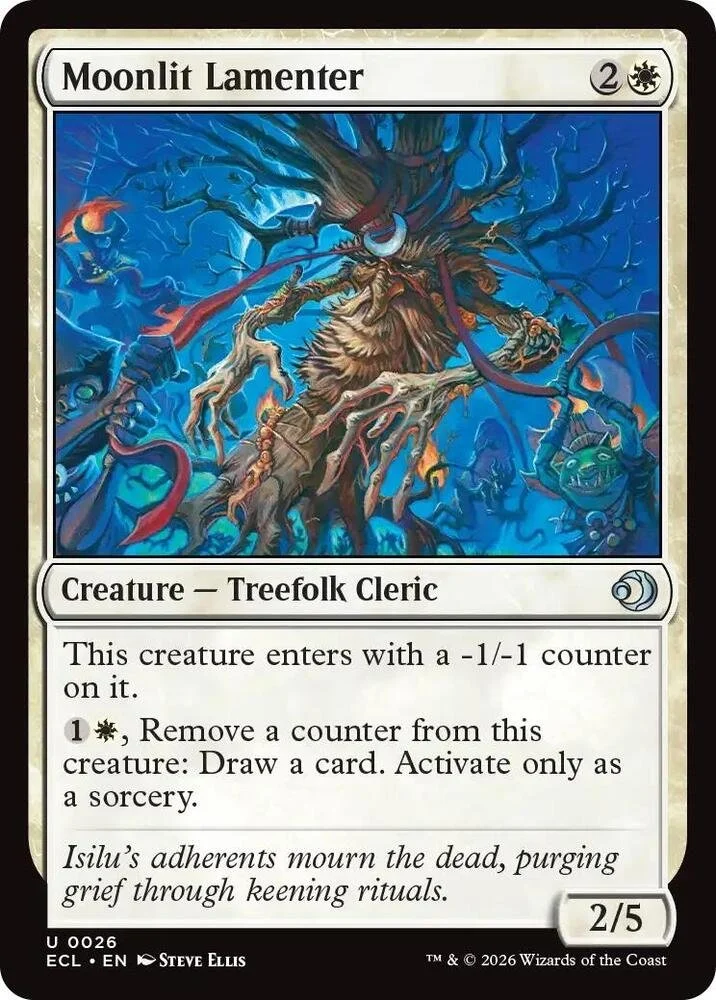
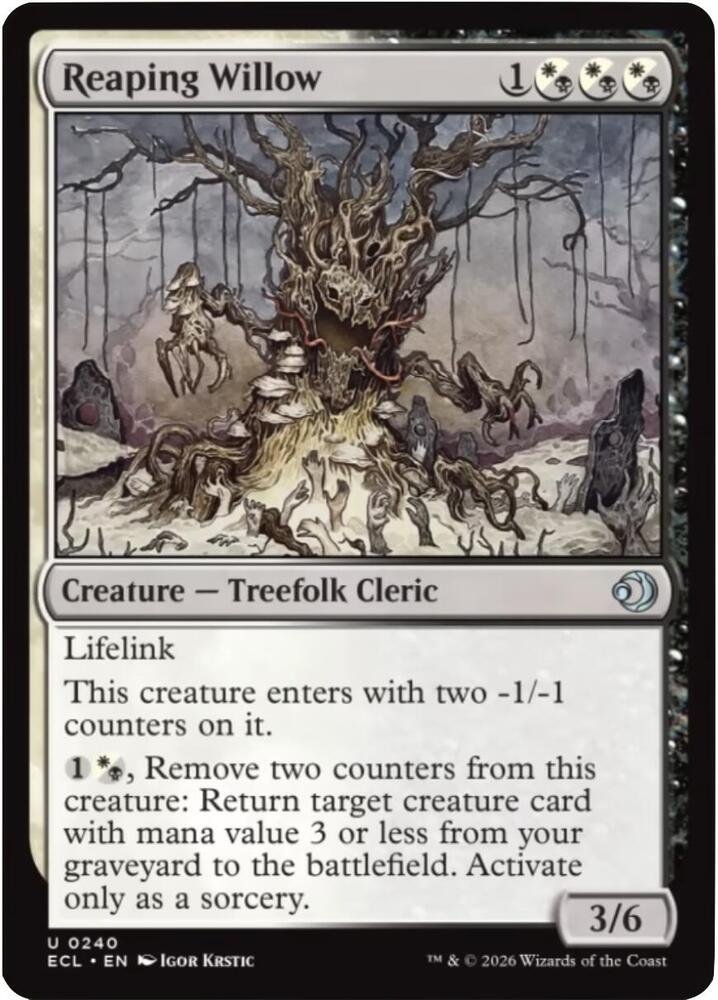
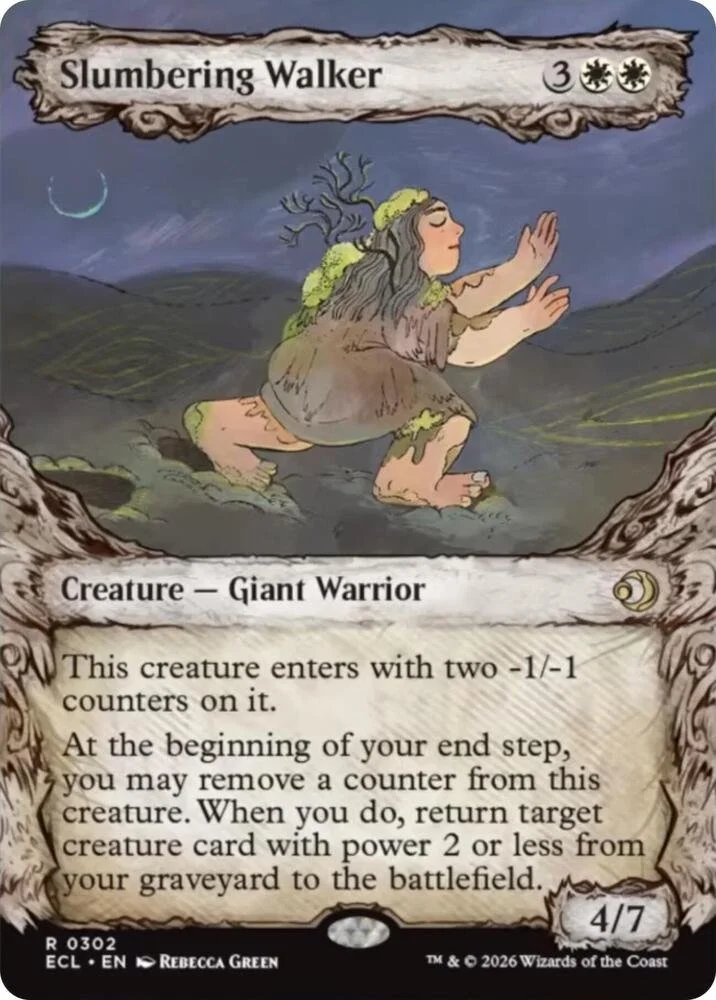
Blighted Blackthrone – Card draw stapled to Blight 2, but the real strength is its 3/7 body. It can safely hold a large number of counters without becoming a liability.
Burdened Stoneback – Starts Blighted, but removes counters to grant indestructible. Excellent at protecting key threats while managing Blight safely.
Moonlit Lamenter – A 2/5 that draws cards by removing Blight counters from itself. One of the best long-game engines in the archetype.
Reaping Willow – Large lifelink body that recurs creatures from the graveyard. Excellent bridge between Orzhov Blight and Golgari Elves.
Slumbering Walker – Recurs creatures every turn as long as it has Blight counters. Wants counters, not fears them.
Blight Enablers (Ways to Distribute Counters):
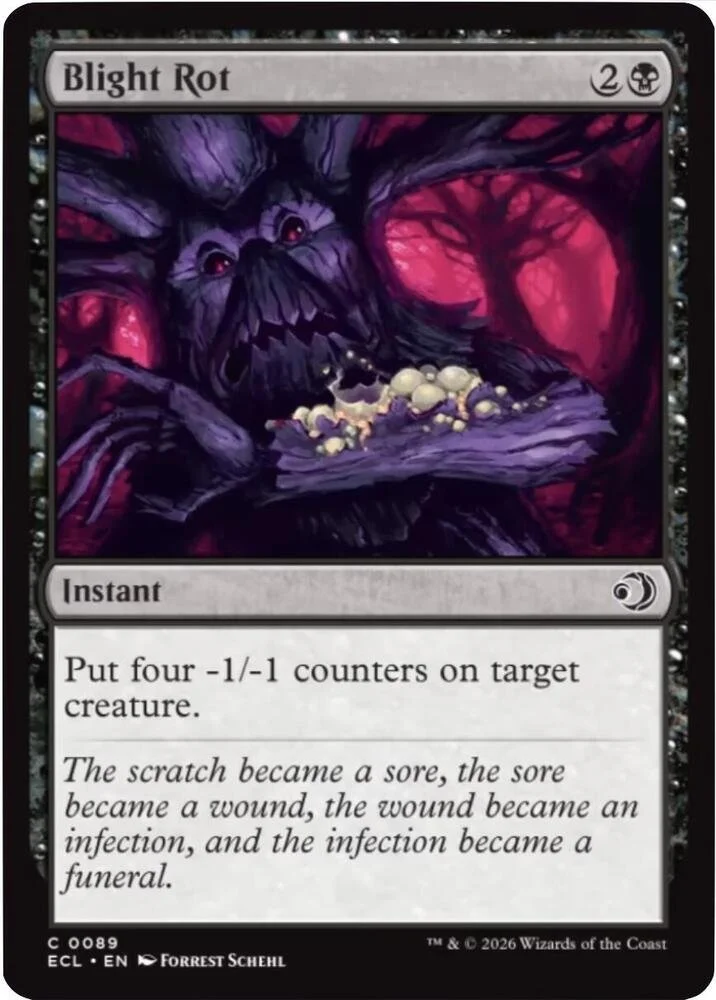
Blight Rot – Premium removal. Either kills outright or leaves creatures functionally useless. Playable in every Black deck.
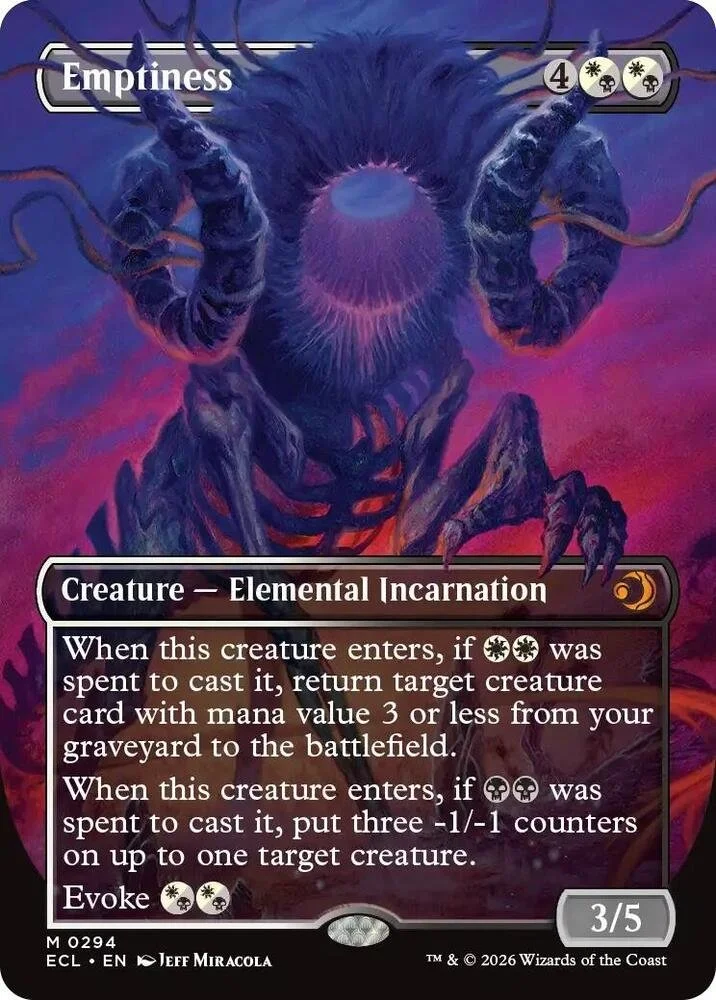
Emptiness – Flexible answer that either weakens opposing creatures or rescues your own from over-Blighting.
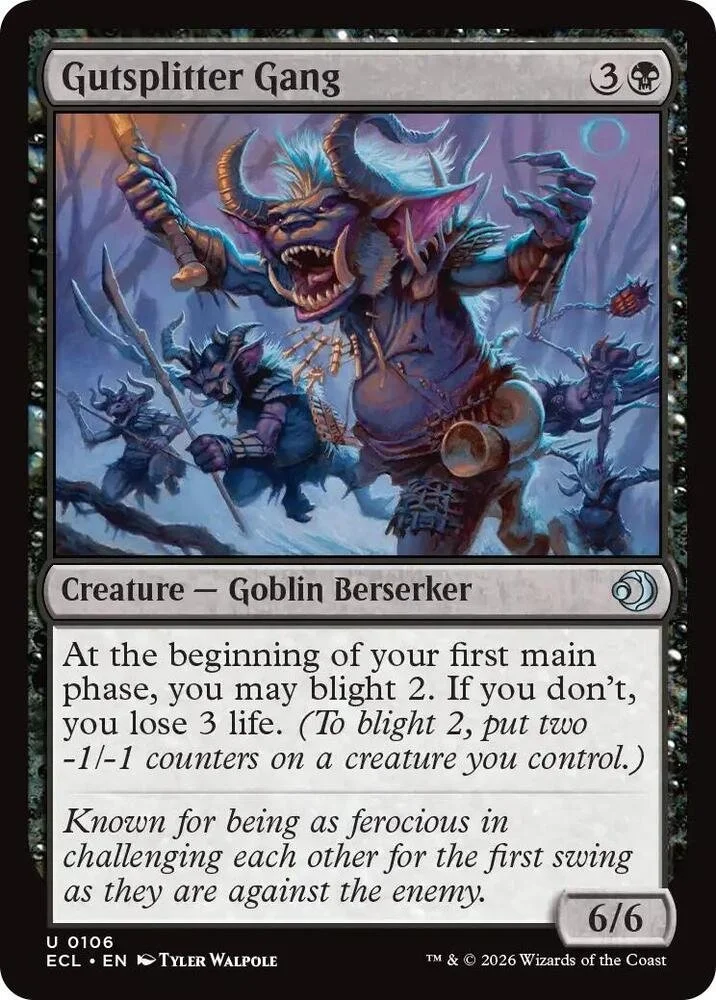
Gutsplitter Gang – Extremely powerful but dangerous. Demands careful Blight management or it will drain your own life quickly.
Build-Around Combo Cards:
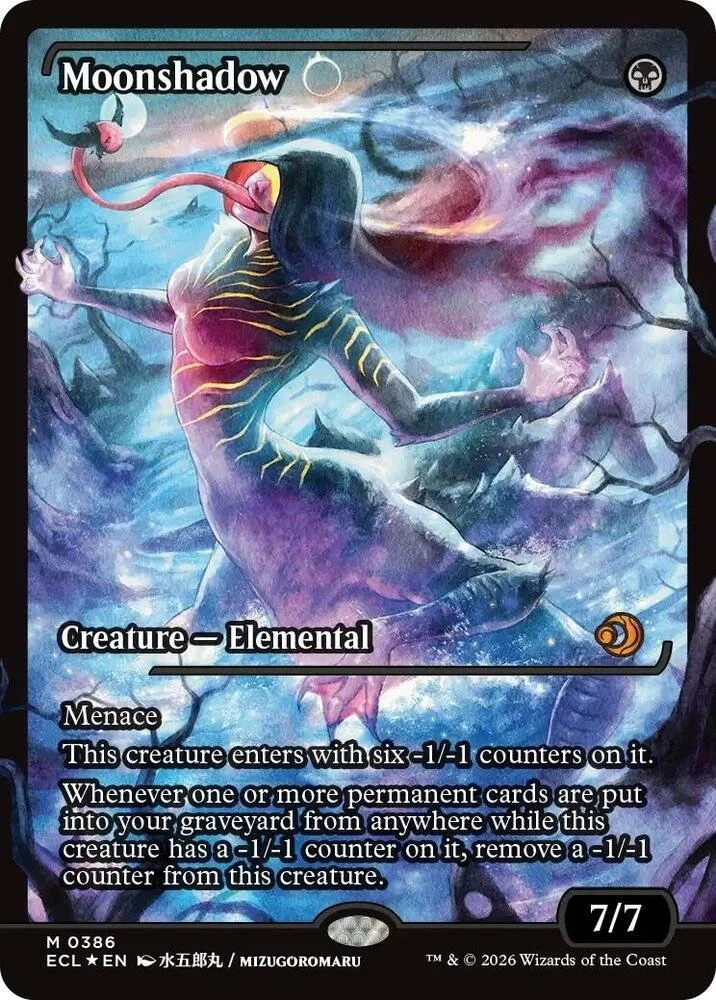
Moonshadow – A one-mana 6/6 under the right conditions. Easily one of the most threatening early plays in the format.
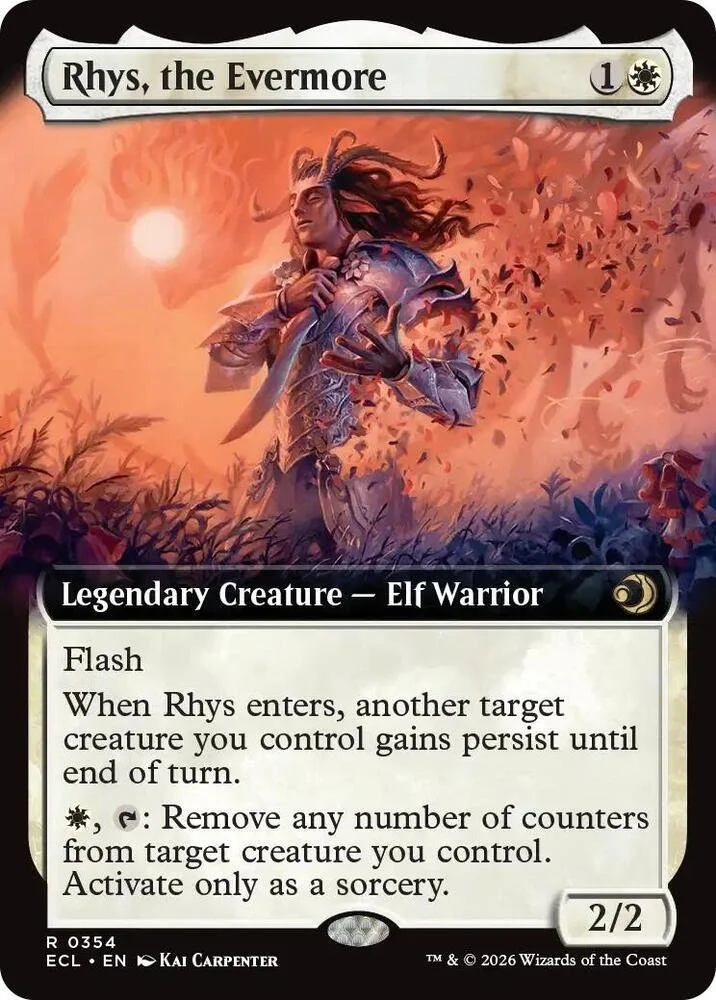
Rhys, the Evermore – Flash counter-removal with persist. Protects key creatures, resets Blight, and keeps your engine running. Moonshadow’s perfect partner.
Izzet (Blue-Red): Elementals*

Izzet Elementals are powerful—but demanding.
These creatures are expensive, flashy, and game-ending, but assembling a functional two-color Elemental deck in Limited is difficult. That’s why this archetype works best when you embrace greed. Splash additional colors. Lean into Vivid. Build WUBRG if your pool allows it.
If you try to stay strictly Blue–Red, you’ll often stall before your threats come online. If you expand, however, the payoff is massive.
How Elementals win:
ETB chains
Mana acceleration into bombs
Spell copying and trigger doubling
When Elementals work, they don’t just win—they end games on the spot.
Key cards for building Izzet Elementals:
Commons:
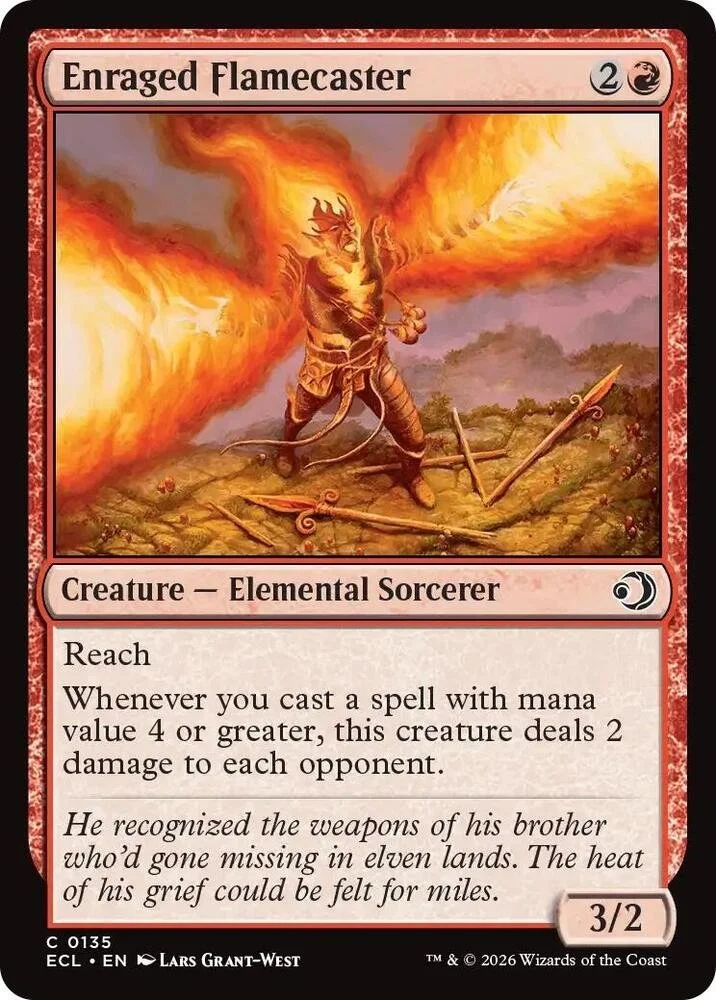
Enraged Flamecaster – Repeatable damage that adds pressure while you set up your late game.
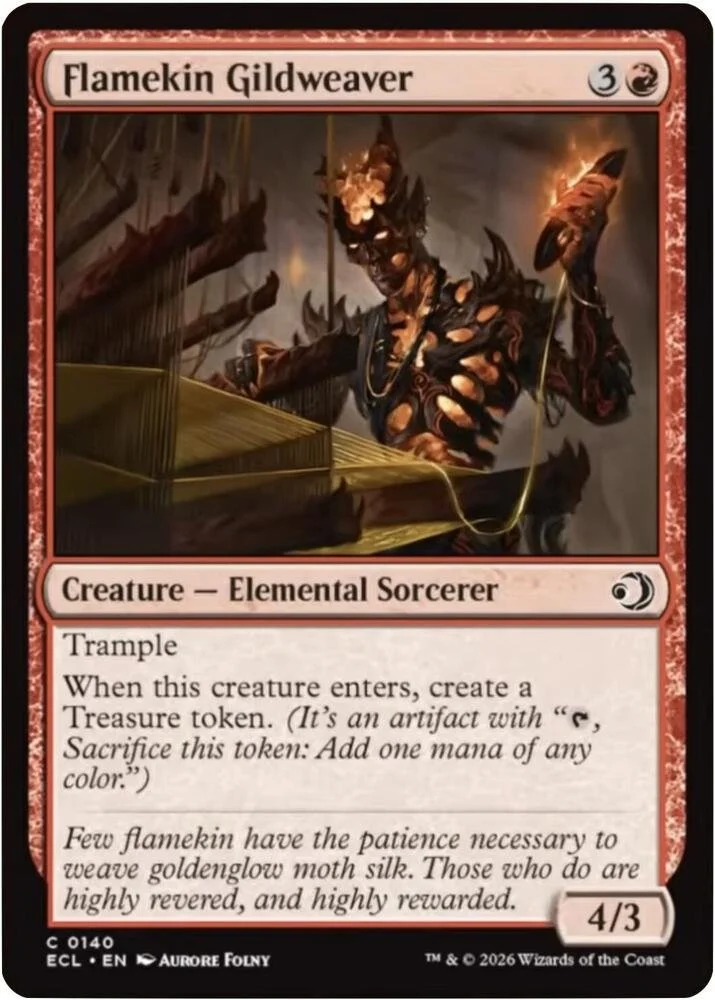
Flamekin Guildweaver – Generates treasure, which matters more here than in almost any other archetype.
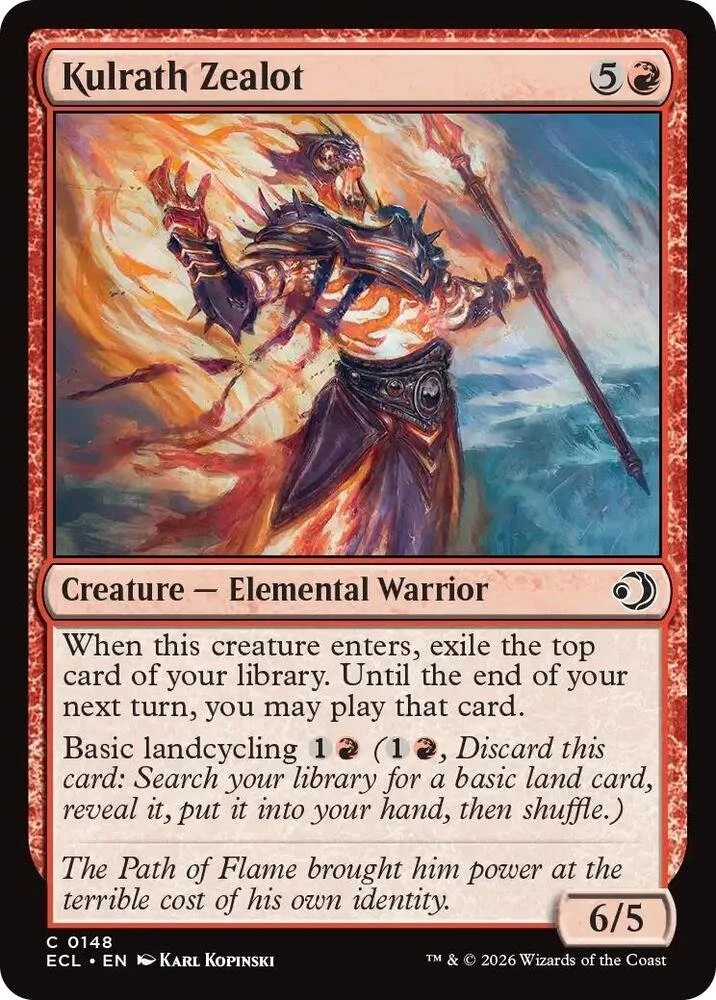
Kulrath Zealot – Land cycling keeps you from stalling and helps find splash colors.
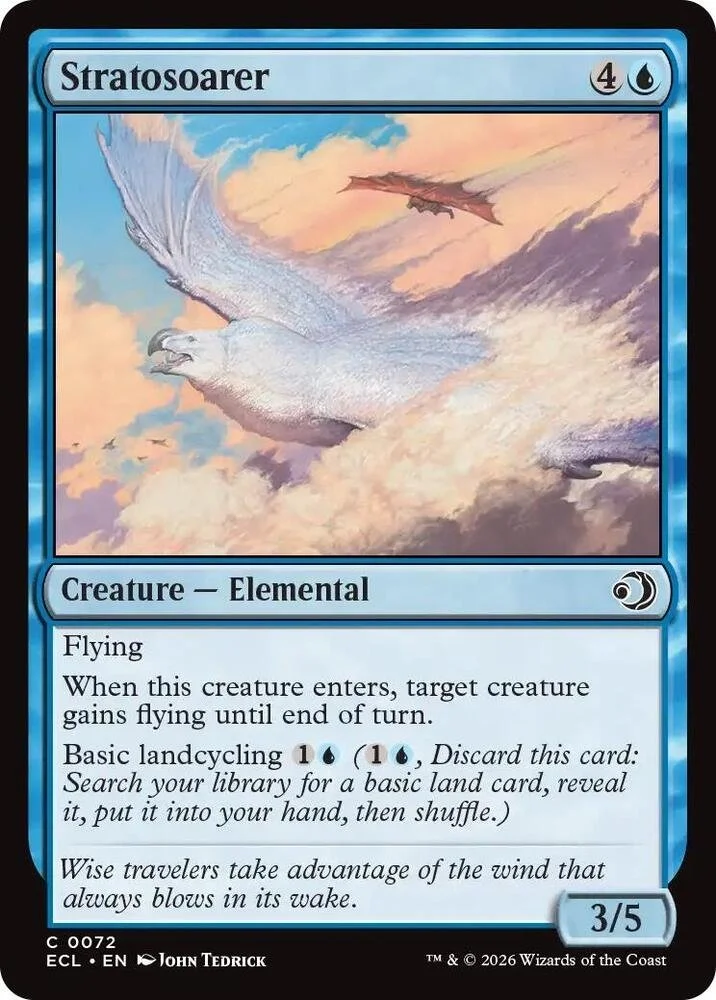
Stratosoarer – Fixes draws early and gives evasion to your biggest threat later.
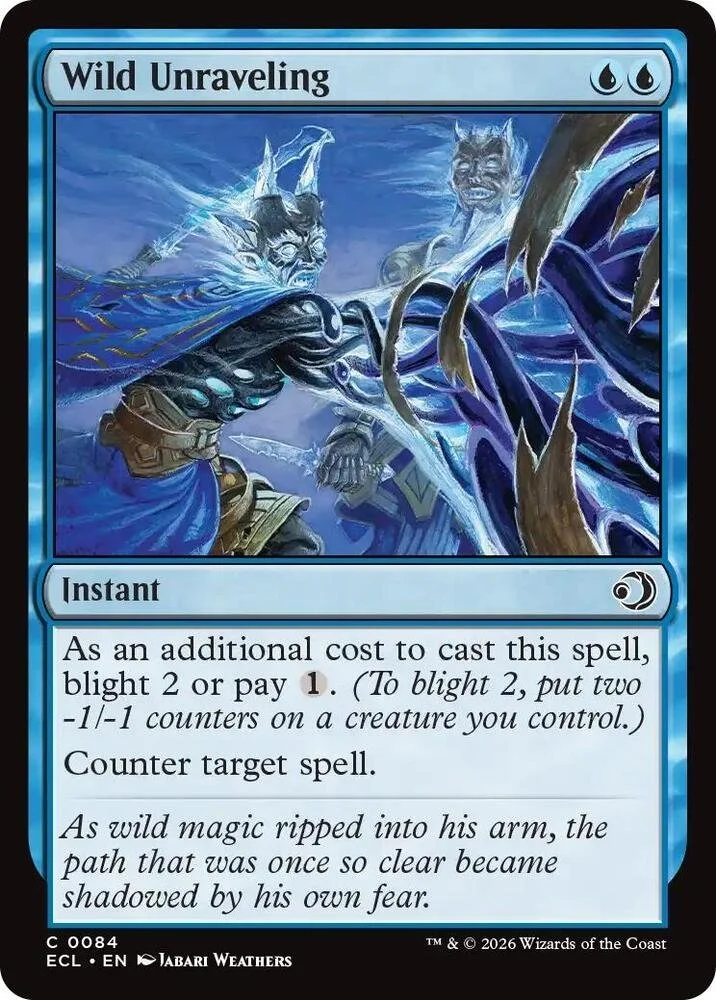
Wild Unraveling – Counterspell with a Blight drawback, but Elementals can afford the cost.
Uncommons:
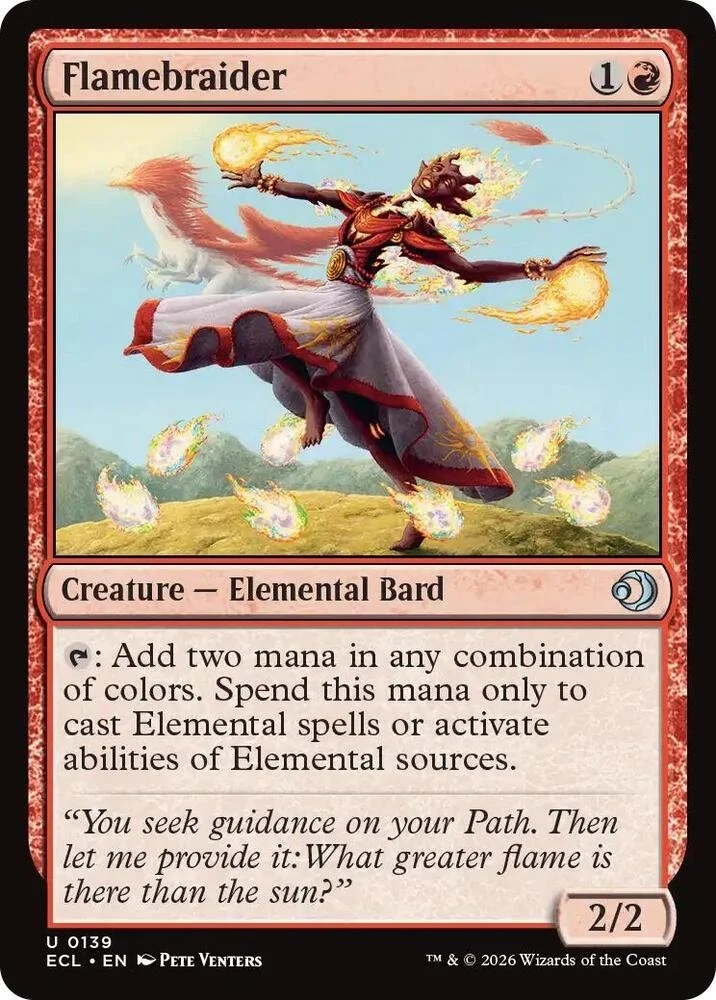
Flamebraider – Possibly the best mana creature in the set for Elementals. Two mana of any colors is massive.
Kindle the Inner Flame – Elemental Kindred spell that copies ETB effects. Strong, though slightly weaker than other Kindred options.
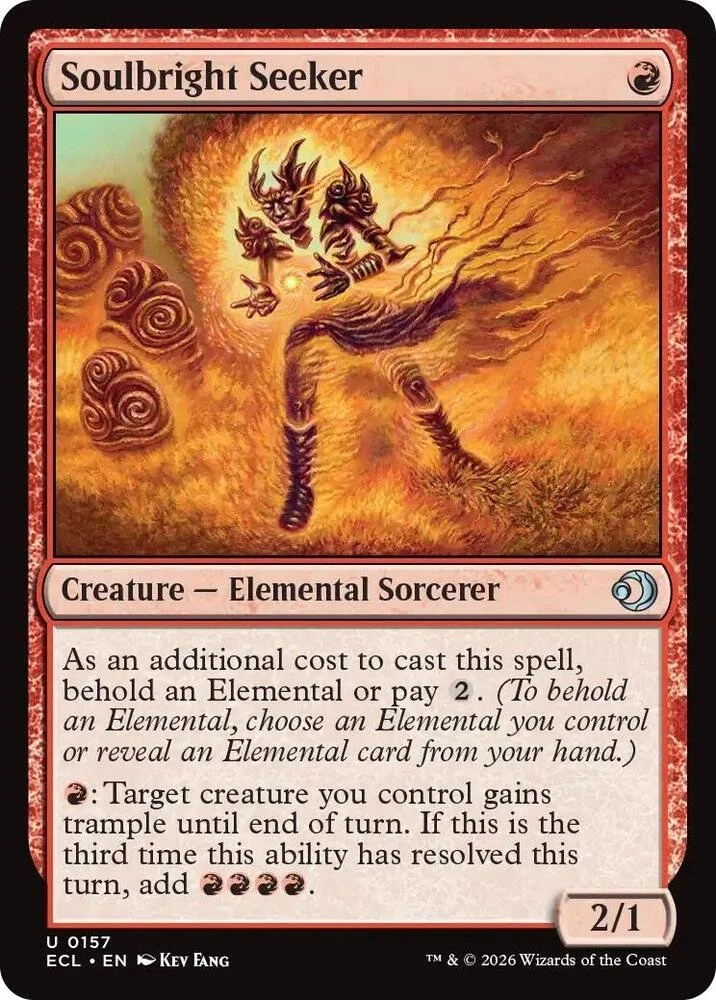
Soulbright Seeker – Large threat that closes games quickly if unanswered.
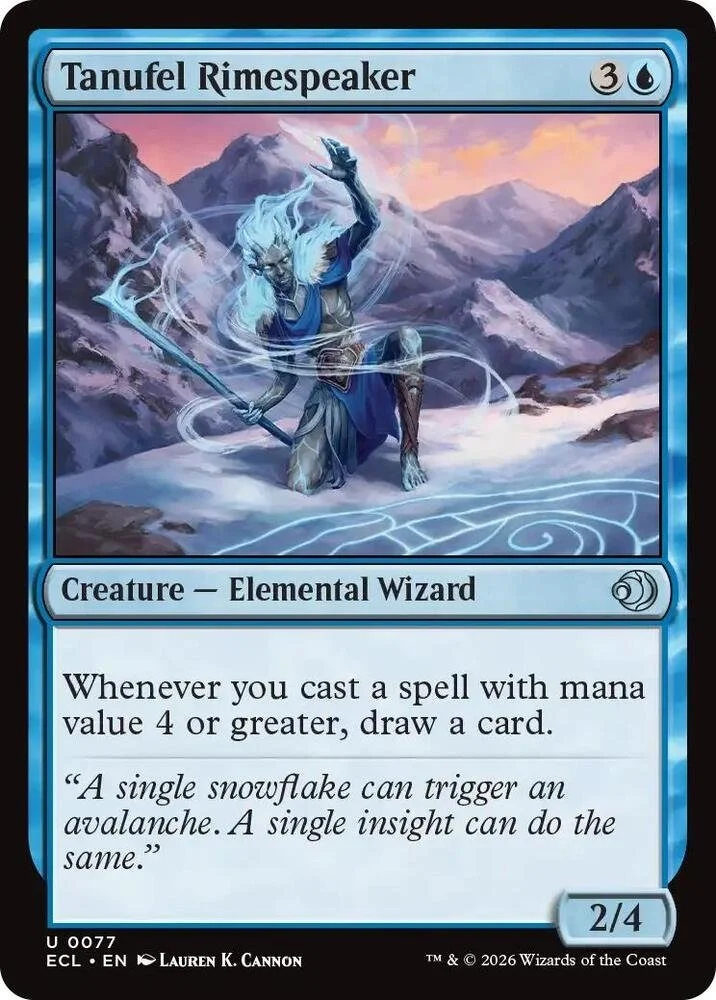
Tanufel Rimespeaker – Reliable card draw attached to an Elemental body.
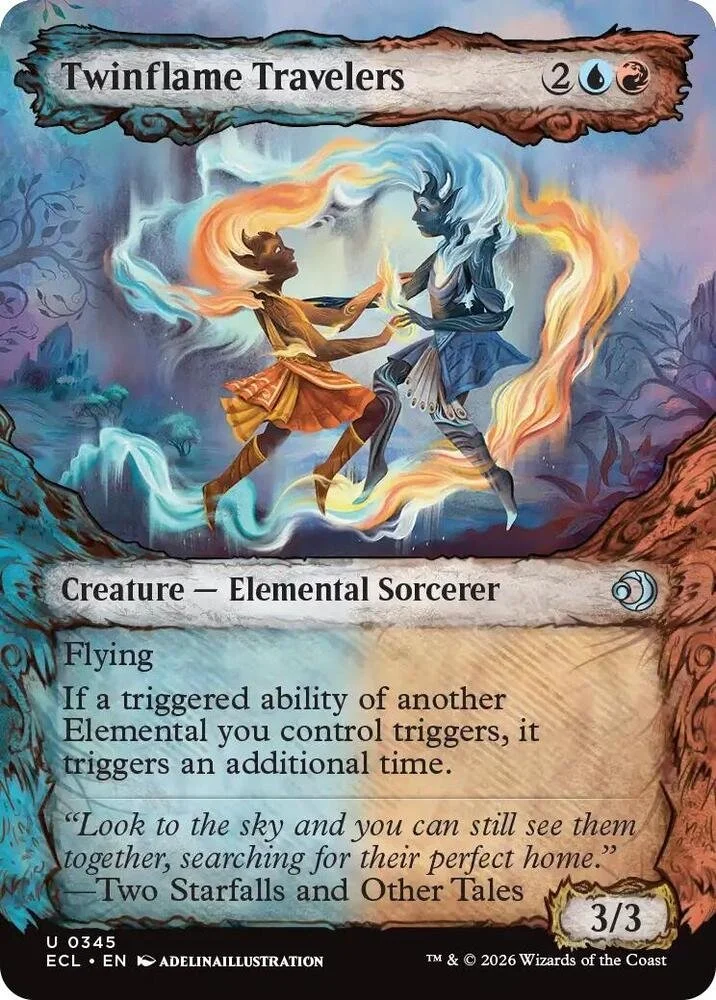
Twinflame Travelers – Signpost uncommon and one of the best in the set. Doubling Elemental triggers ends games fast.
Rares & Mythics:
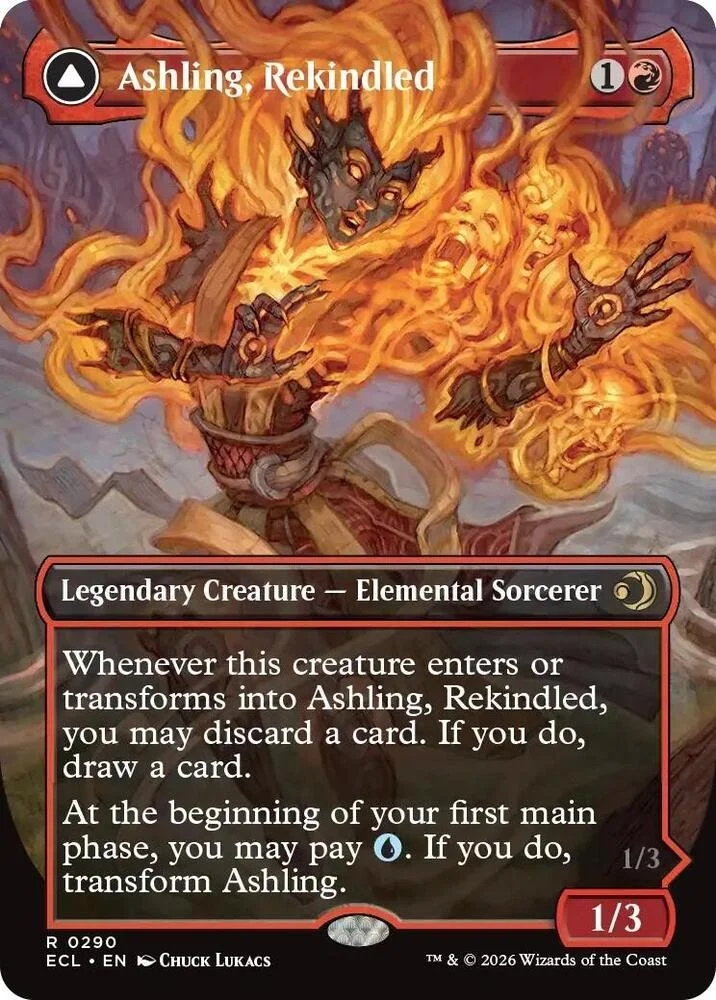
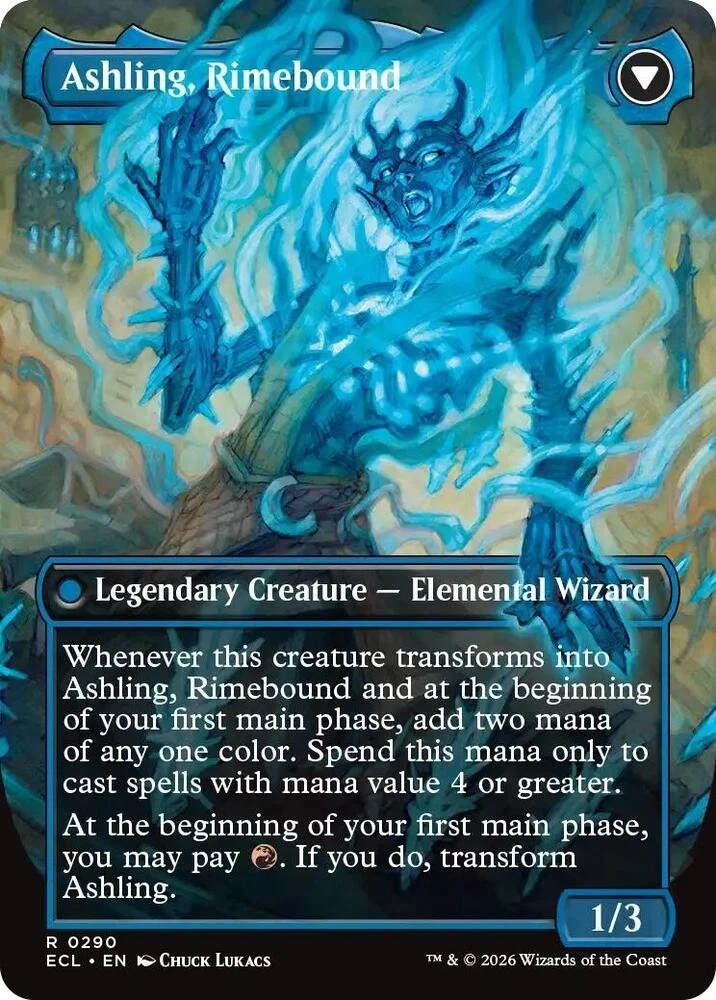
Ashling, Rekindled // Ashling, Rimebound – Mana ramp and late-game threat rolled into one.
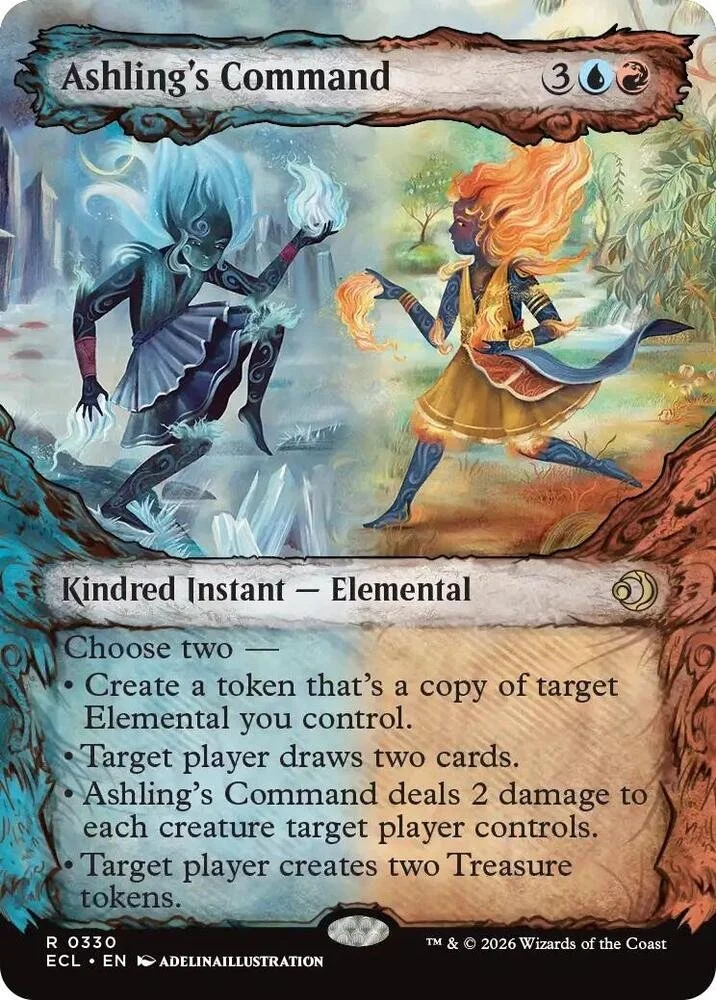
Ashling’s Command – Versatile but slightly weaker than other Command spells. Still very playable.
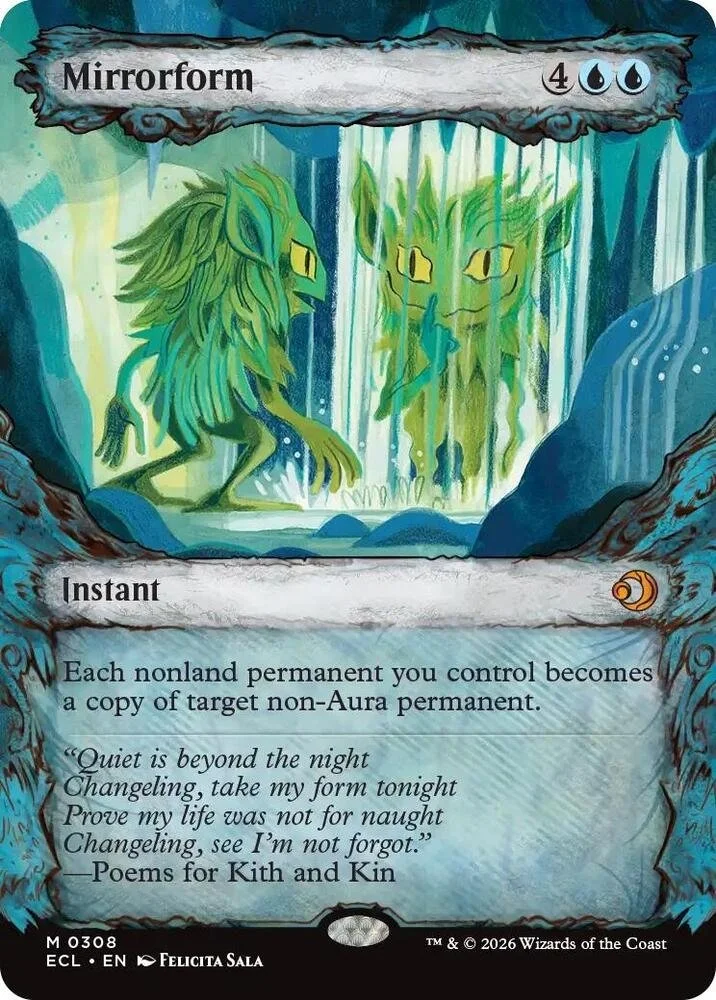
Mirrorform – Potential instant win. If you open this, prioritize mana fixing immediately.
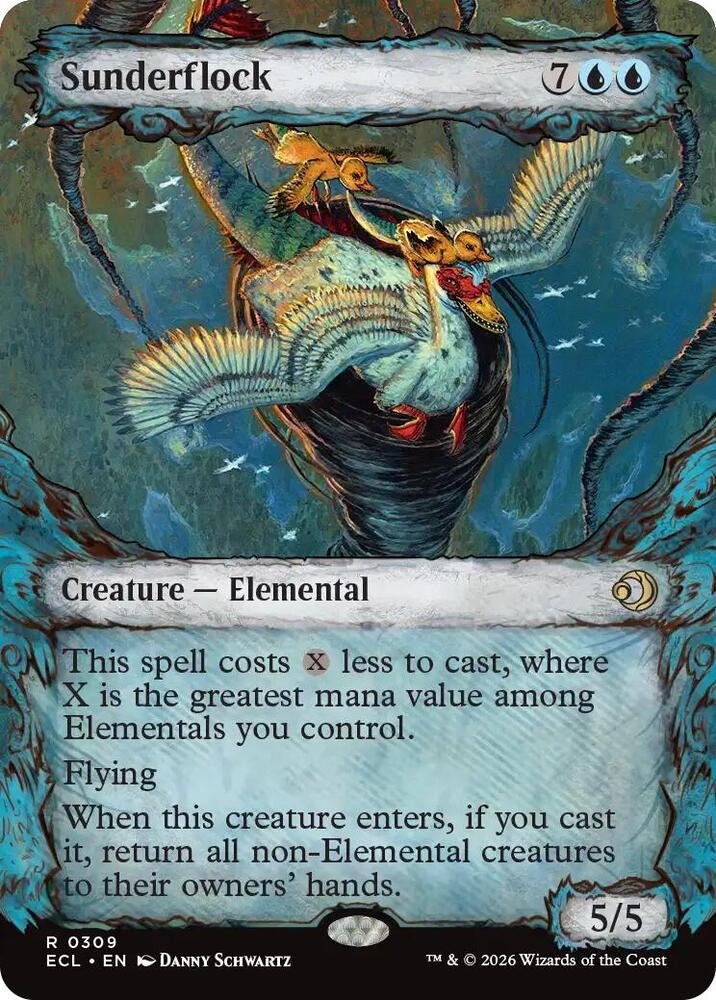
Sunderflock – Defensive blowout that protects your board while resetting opponents.
Golgari (Black-Green): Elves*
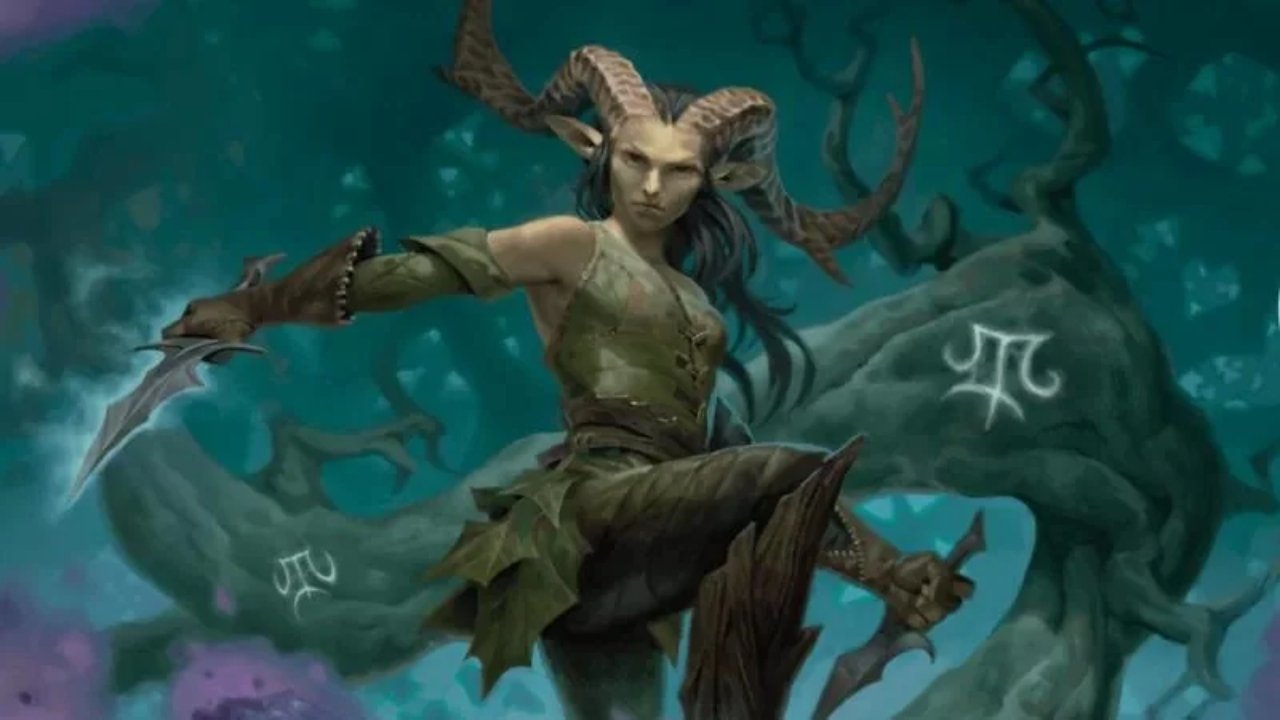
Golgari Elves are one of the grindier, more inevitable archetypes in Lorwyn Eclipsed and they’re perfectly happy playing the long game.
This deck revolves around the graveyard as a resource. Your Elves are meant to die, return, and die again, each time generating value through recursion, token creation, or spell reuse. While there are a few light Blight interactions scattered through Black and Green, Golgari is far more interested in filling the graveyard early and turning it into an engine by the midgame.
If your opponent plans on winning through removal or clean one-for-one trades, Golgari Elves are more than happy to let them try. Once your recursion pieces are online, every trade pushes you further ahead.
How Golgari Elves win:
Filling the graveyard early to enable recursion
Rebuilding boards faster than opponents can answer
Overwhelming with repeated Elf synergies and value engines
It’s slow to start, difficult to exhaust, and brutally effective in longer games.
Key cards for building Golgari Elves:
Commons:
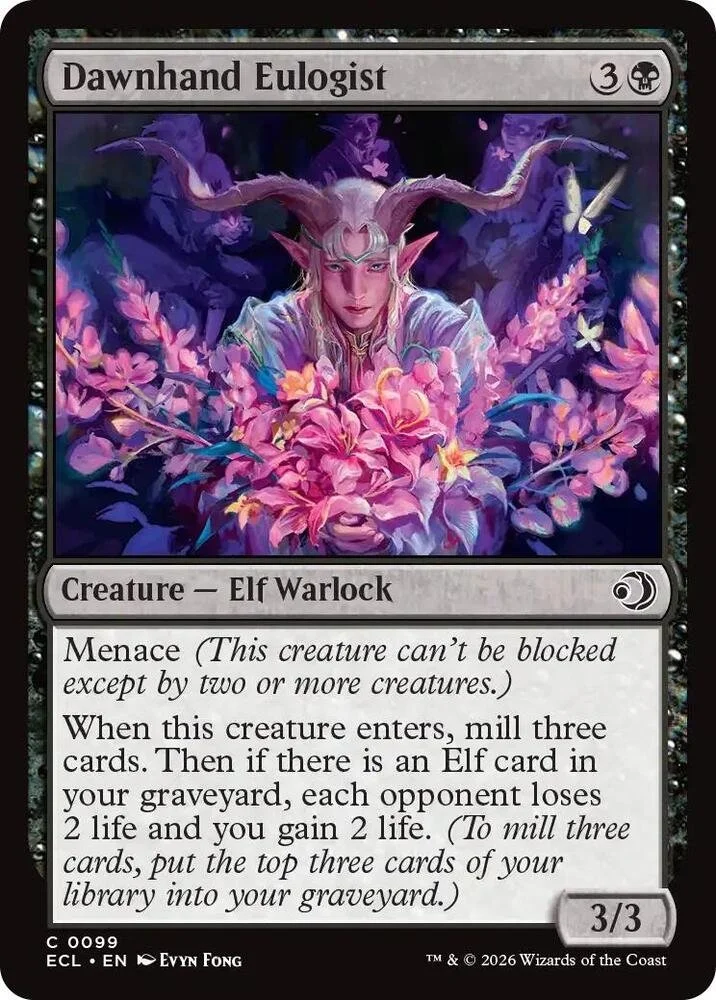
Dawnhand Eulogist – Efficient way to move Elves into the graveyard.
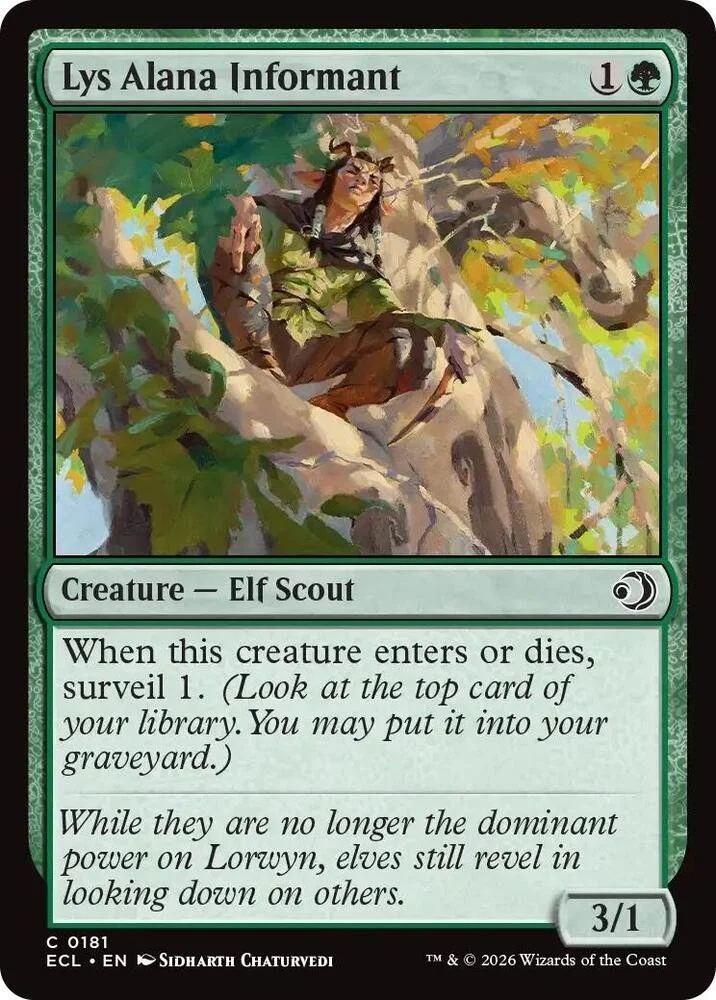
Lys Alana Informant – Early pressure that lets you choose when to mill.
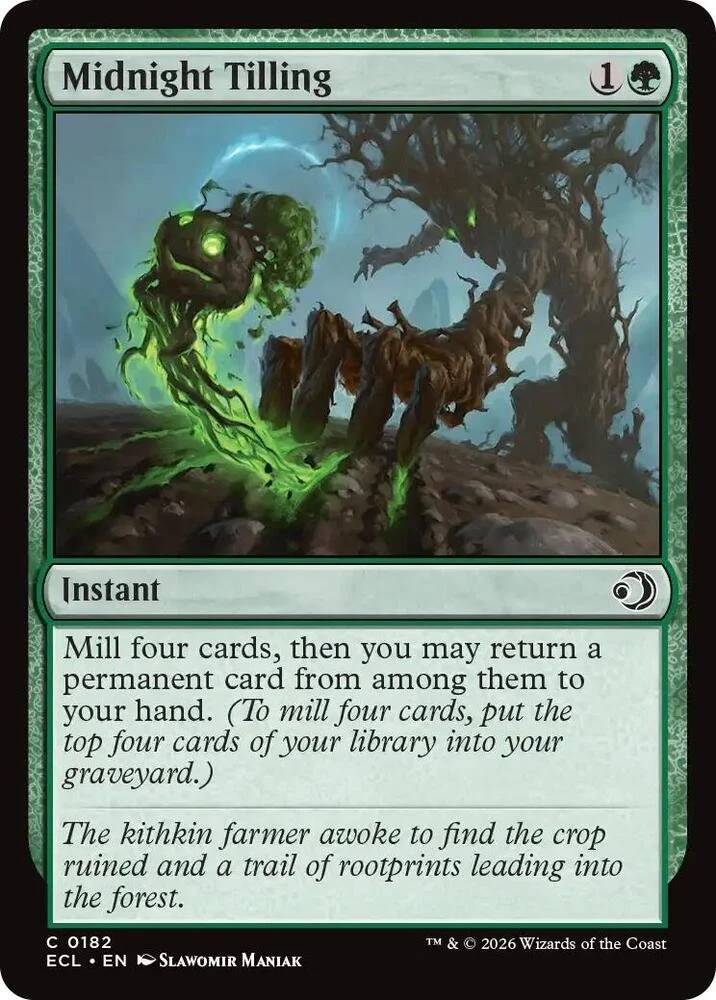
Midnight Tilling – Card selection plus graveyard setup.
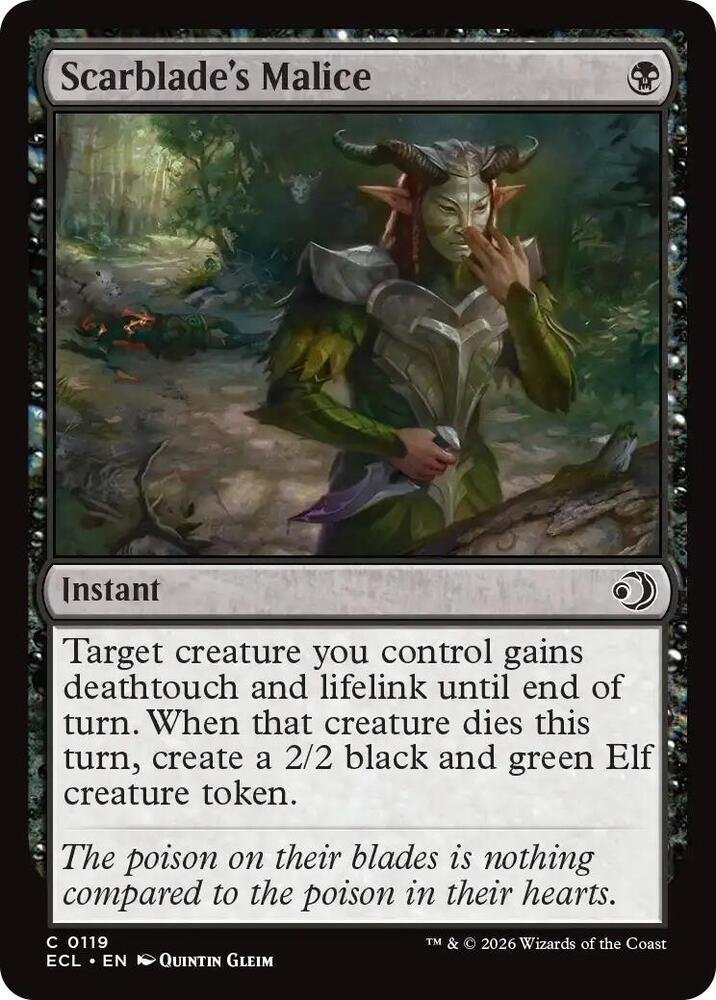
Scarblade’s Malice – Deathtouch removal that can replace itself with an Elf.
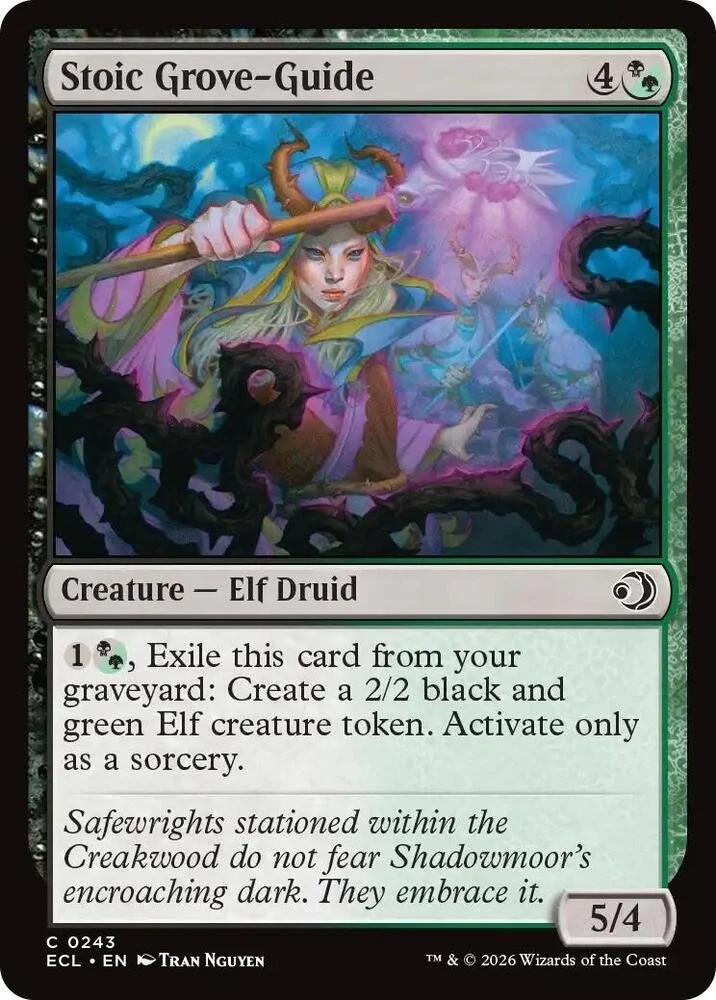
Stoic Grove-Guide – Strong body that leaves value behind when it dies.
Uncommons:
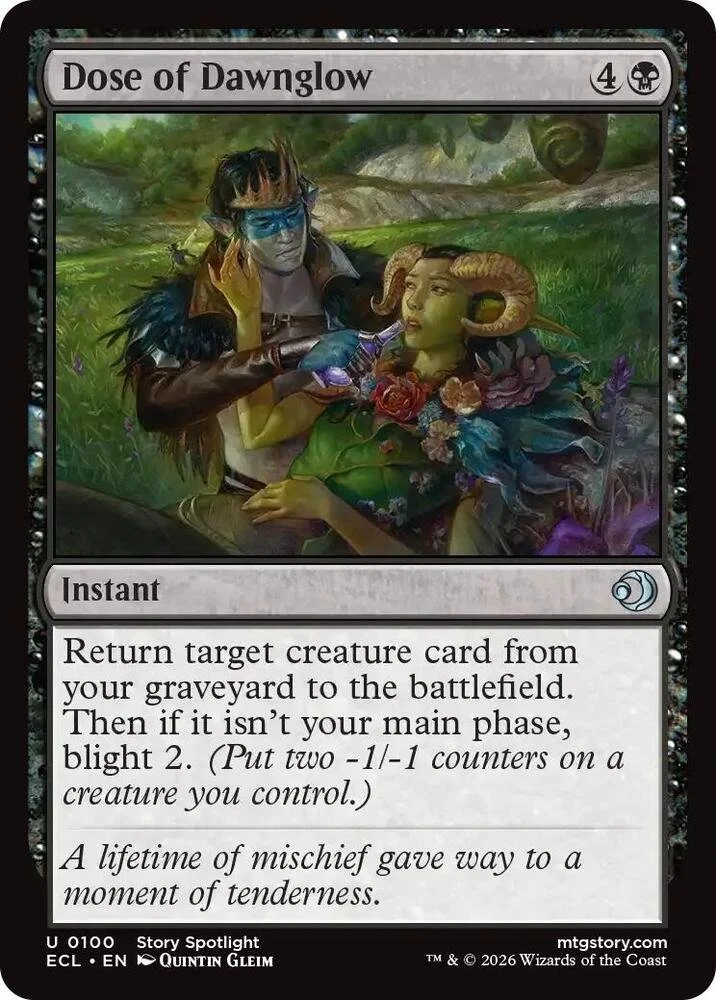
Dose of Dawnglow – Quick recursion that keeps pressure on.
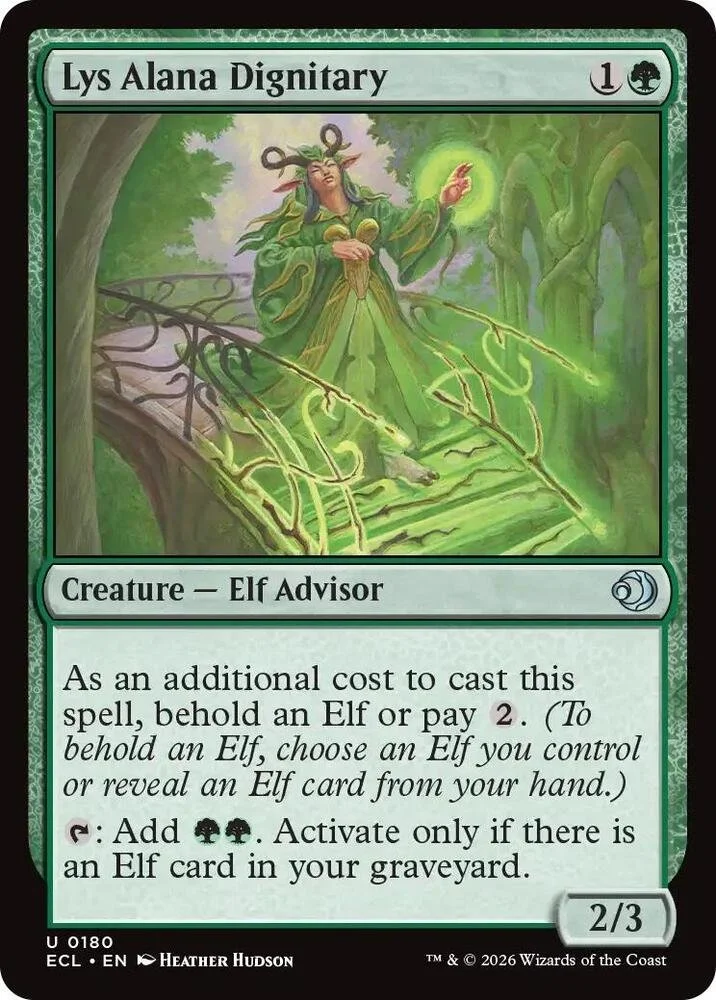
Lys Alana Dignitary – Mana ramp option when needed.
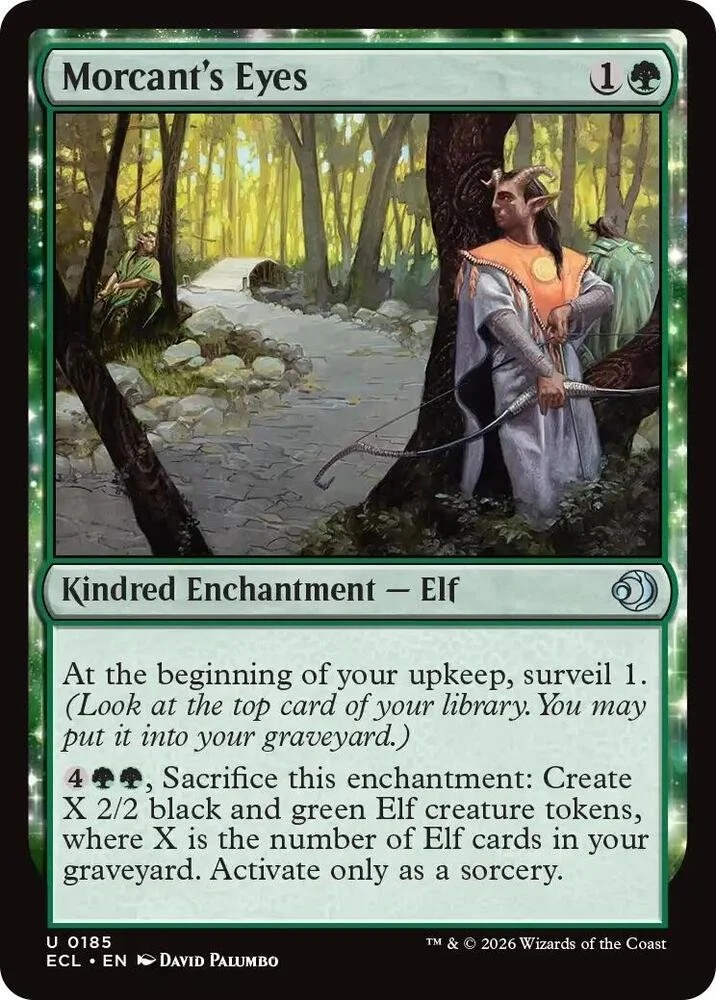
Morcant’s Eyes – Kindred enchantment that floods the board after filling the graveyard.
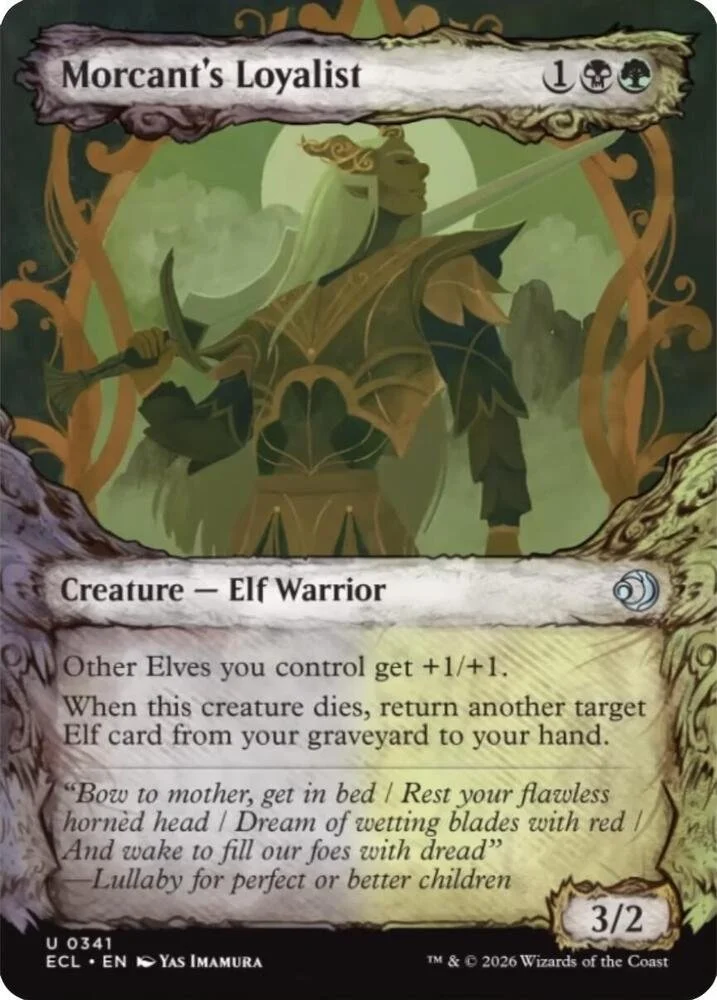
Morcant’s Loyalist – Signpost uncommon that buffs Elves and replaces itself on death.
Rares & Mythics:
Bloodline Bidding – Mass recursion that often ends the game immediately.
Dawnhand Dissident – Plays from the graveyard and pairs extremely well with Blight strategies.
Trystan’s Command – One of the best Kindred sorceries in the set. Flexible and powerful.
Twilight Diviner – Copies spells cast from the graveyard for massive value swings.
Boros (Red-White): Blight Creature Timer
Boros Blight is one of the strangest archetypes in Lorwyn Eclipsed, but it fills an important role in the format.
Rather than sacrificing creatures like Rakdos or extracting long-term value like Orzhov, Boros focuses on creatures that enter weakened and slowly remove Blight counters over time. These “timers” start small, but if left unanswered they eventually turn into oversized threats that dominate combat.
On its own, Boros Blight doesn’t quite have the depth to function as a fully self-contained deck. Where it shines is as a support shell—especially when paired with Black to form a Mardu Blight strategy that blends pressure, value, and sacrifice into a cohesive game plan.
How Boros Blight wins:
Playing creatures that naturally grow as Blight counters are removed
Pressuring opponents to answer threats early or lose control of the board
Supporting Rakdos or Orzhov Blight shells with efficient removal and tempo
It’s not flashy on its own, but it becomes very dangerous when folded into the right build.
Key cards for building Boros Blight:
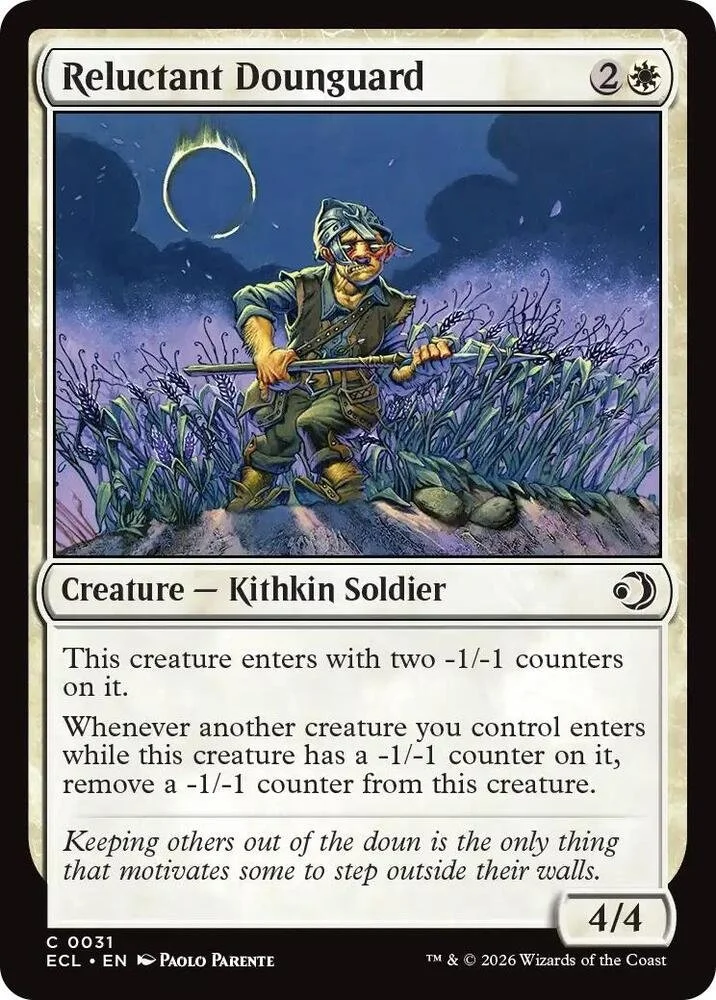
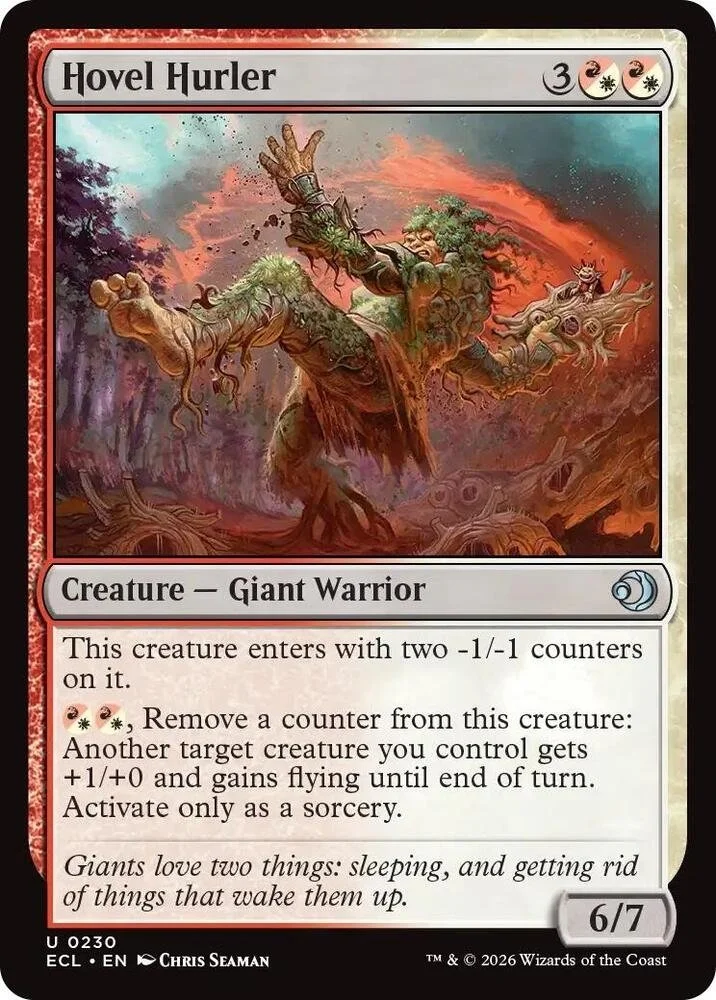
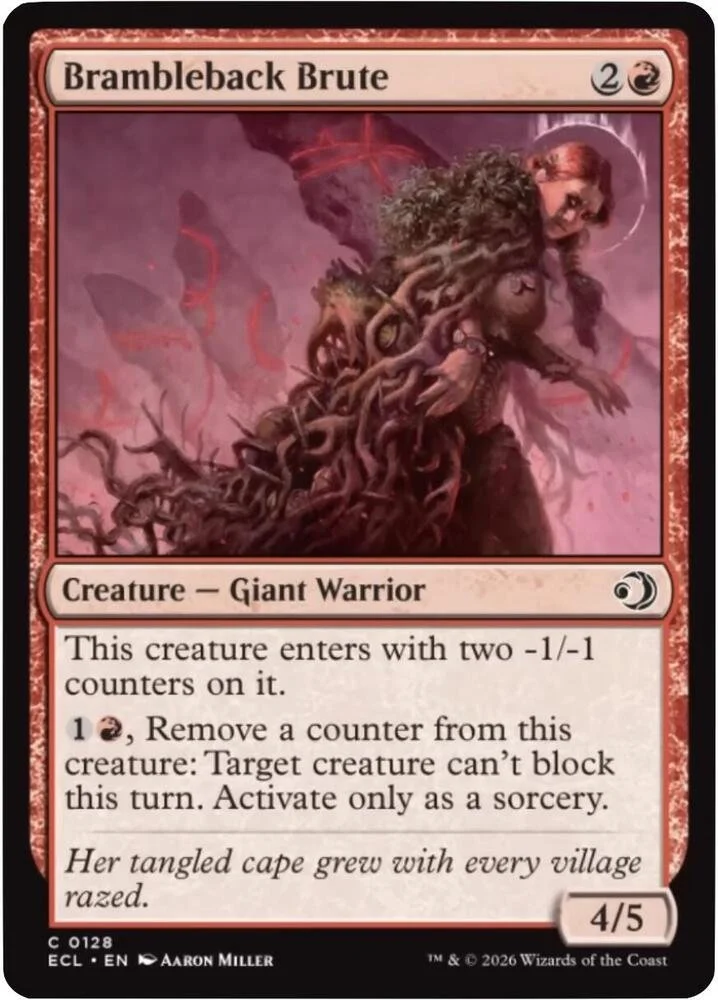
Brambleback Brute – Manipulates blocking to protect your most important attackers.
Hovel Hurler – Turns Blight removal into evasion and damage.
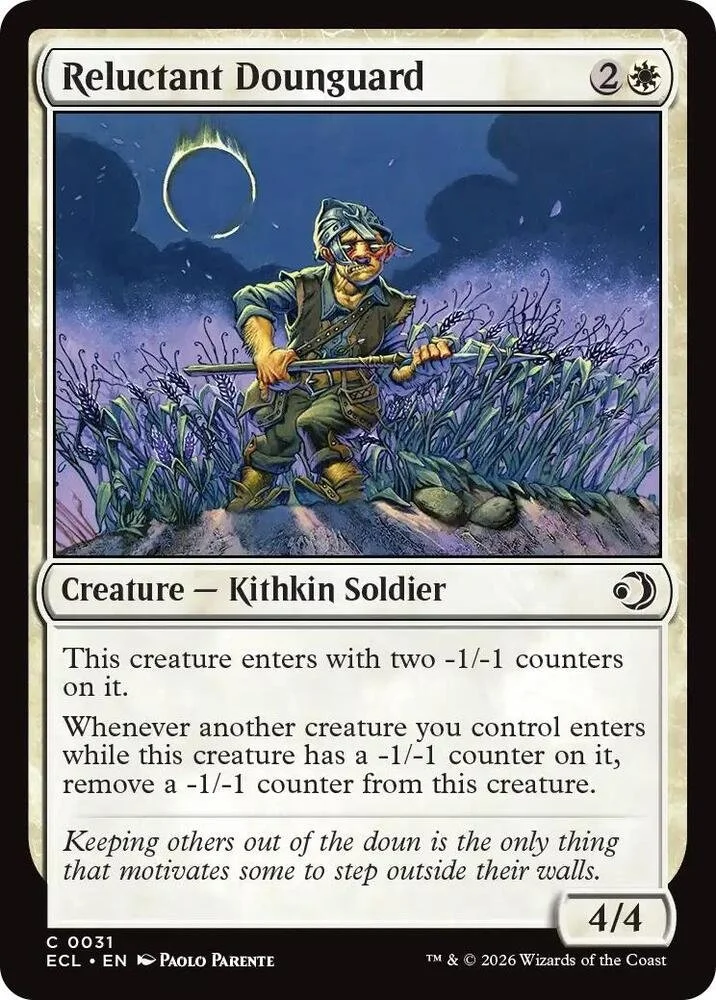
Reluctant Dounguard – Removes counters whenever creatures enter, accelerating your timers.
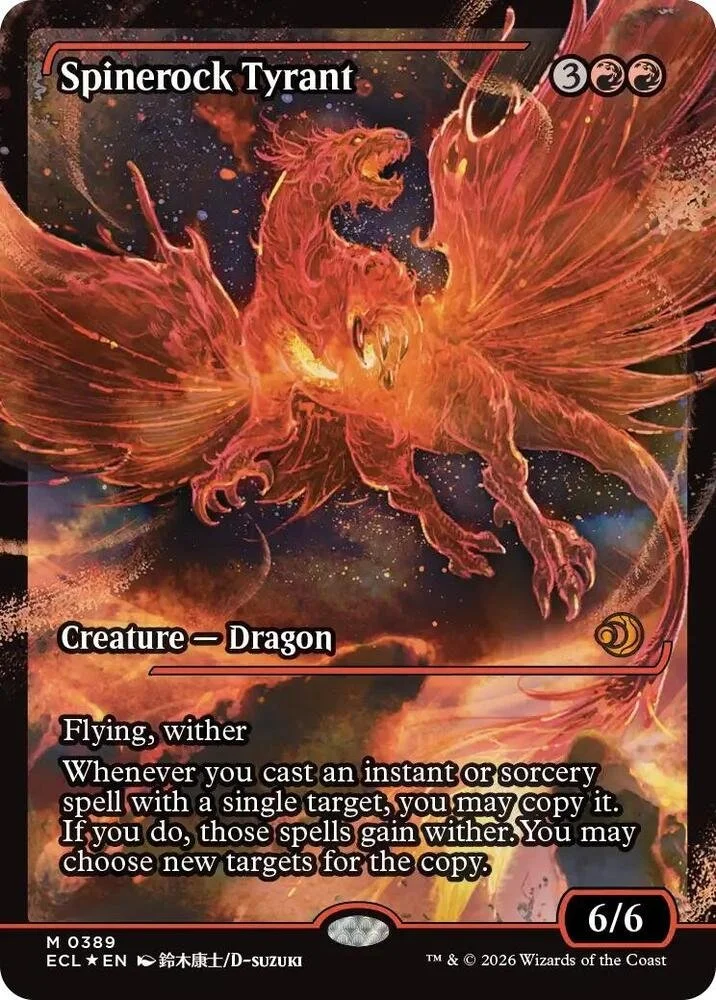
Spinerock Tyrant – Wither plus spell copying is brutal in Blight mirrors.
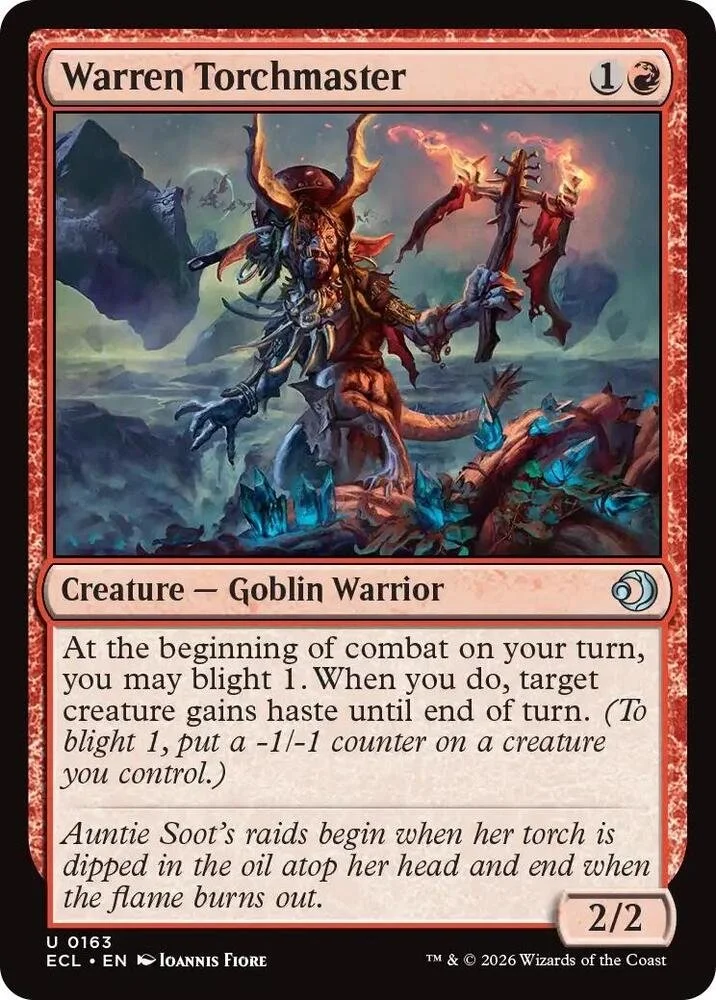
Warren Torchmaster – Gives haste after Blighting, enabling explosive turns.
Simic (Blue-Green): Vivid Ramp
Simic Vivid is the most straightforward ramp archetype in Lorwyn Eclipsed, and one of the most reliable when it comes together.
This deck is all about mana acceleration and fixing, using early turns to stabilize the board and set up a powerful late game. Vivid rewards you for casting spells at full cost or across multiple colors, and Simic is the best color pair in the set at making that happen consistently.
While Simic Vivid can win games on its own, it truly shines when paired with other strategies. Elementals give it explosive finishes, Merfolk add interaction and tempo, and splashing additional colors turns Simic into the backbone of some of the greediest—and strongest—Limited decks in the format.
How Simic Vivid wins:
Ramping and fixing mana to support expensive spells
Casting Vivid payoffs ahead of schedule
Overwhelming opponents with late-game threats they can’t efficiently answer
It’s slower out of the gate, but once it gets rolling, it’s very hard to stop.
Key cards for building Simic Vivid:
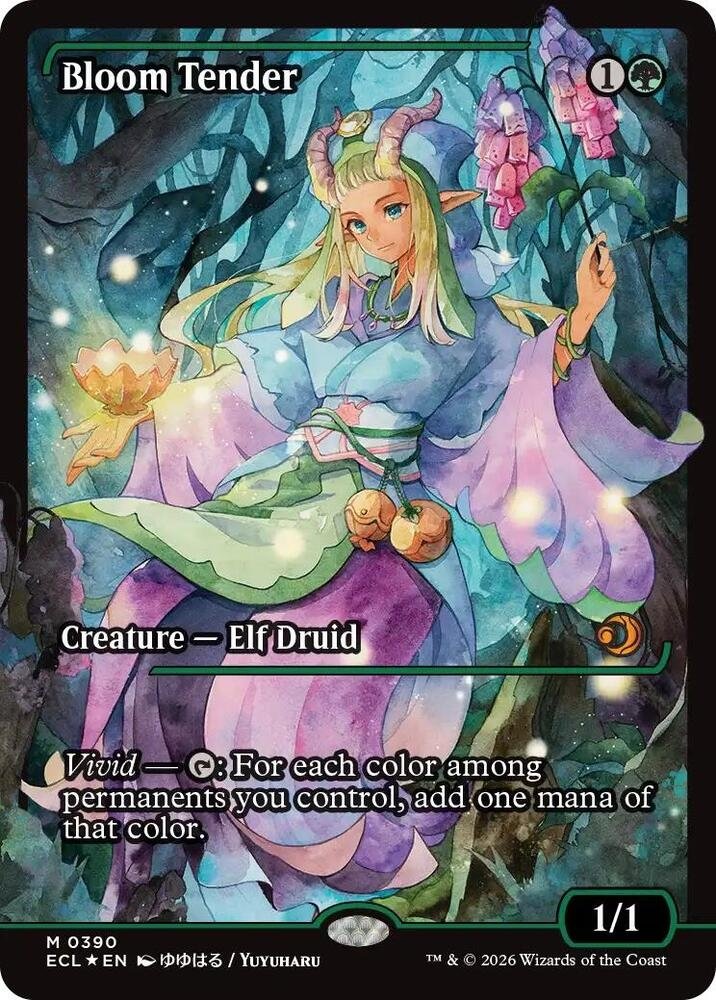
Bloom Tender – Elite mana acceleration, especially in multi-color decks.
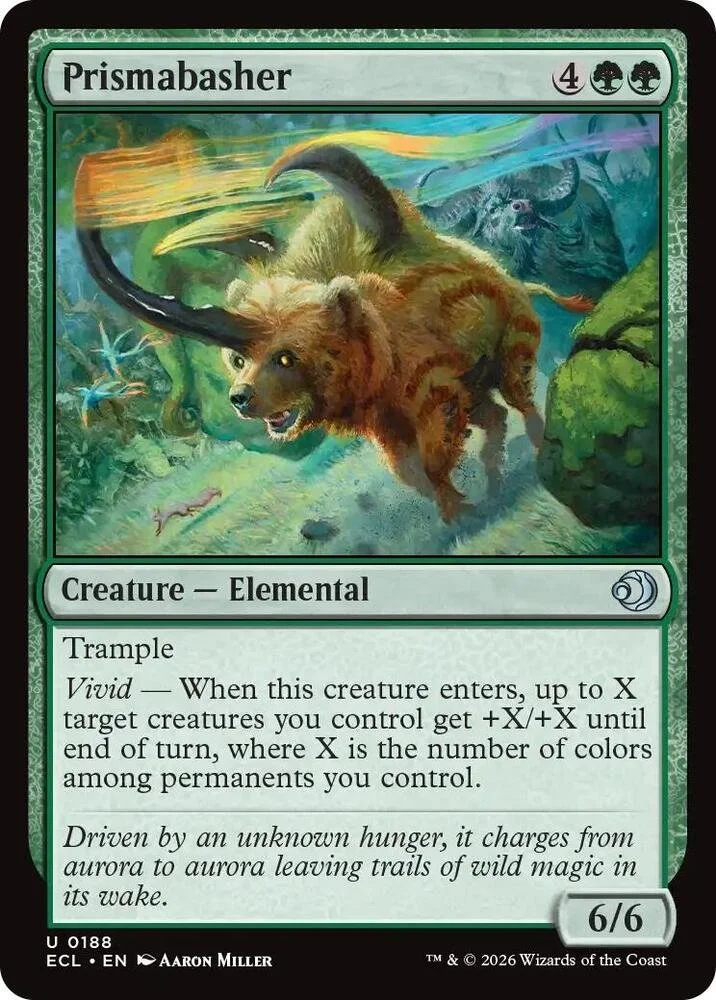
Prismabasher – Scales well into the late game and rewards full-cost casting.
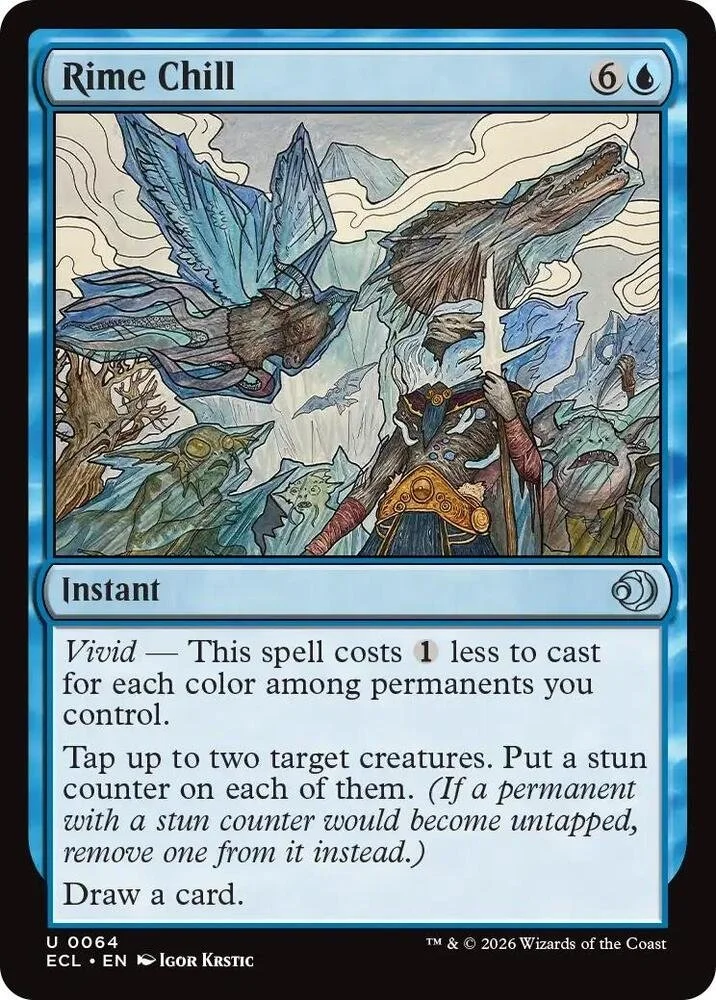
Rime Chill – Buys time against aggressive decks while you set up.
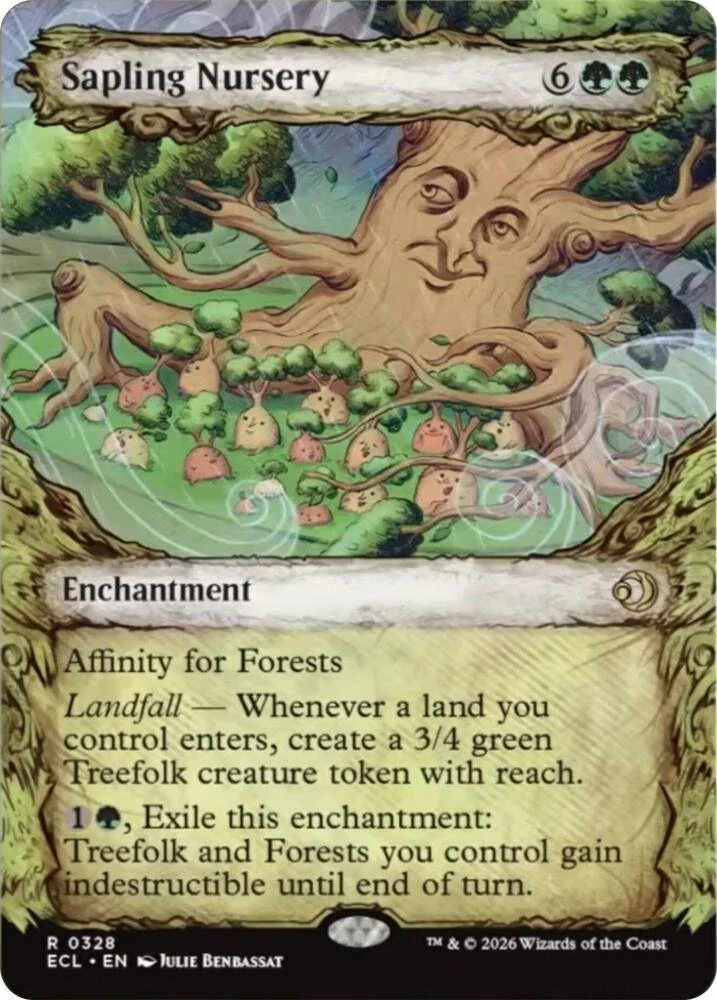
Sapling Nursery – Fixing plus board presence is exactly what this deck wants early.
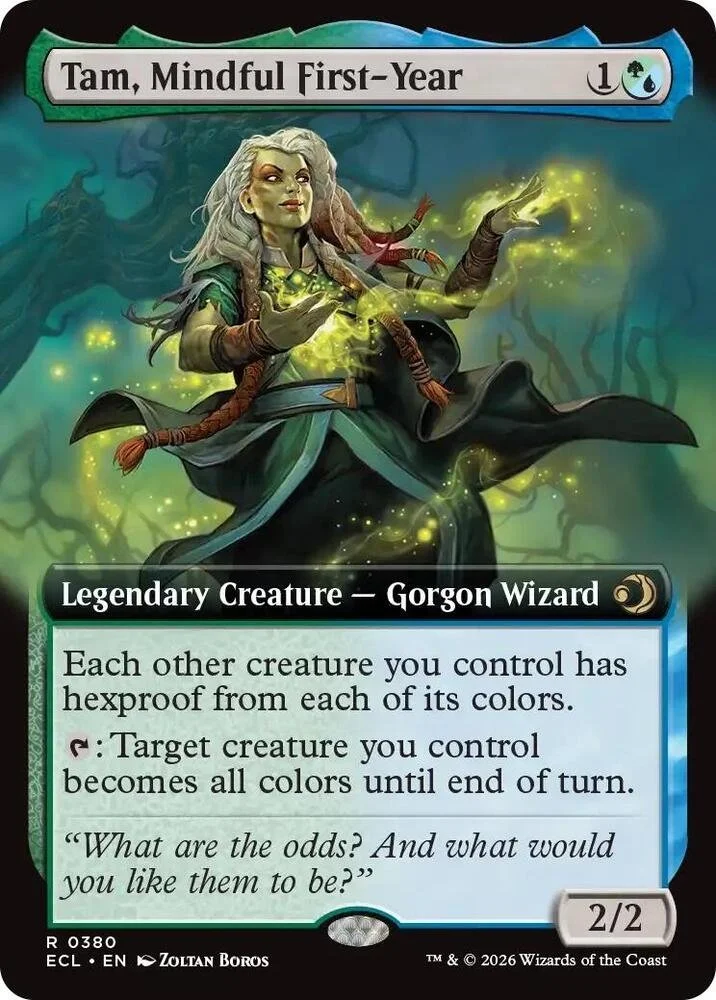
Tam, Mindful First-Year – Card selection engine that rewards longer games.
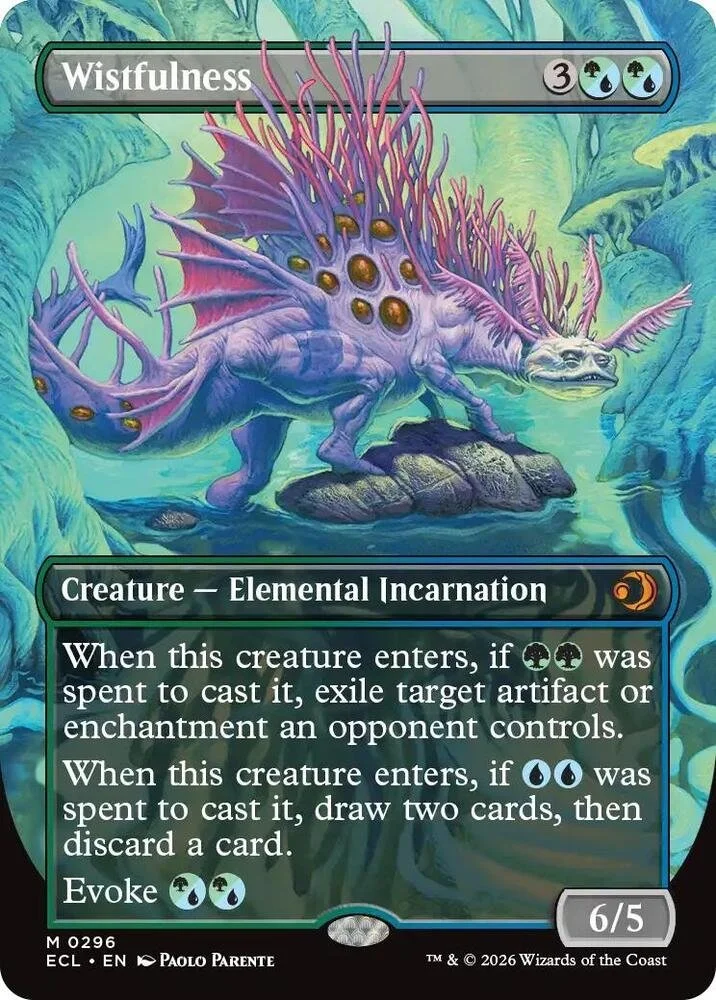
Wistfulness – Smooths draws early and finds bombs late.
Pre-Release deckbuilding tips for Lorwyn Eclipsed
Lorwyn Eclipsed is a slower, more forgiving Limited environment than it might appear at first glance, and prerelease is where that really shines. Don’t be afraid to splash colors, or even go full WUBRG if your pool supports it. Between Vivid cards, mana dorks, treasures, and hybrid costs, fixing is plentiful and intentionally designed to support greedier builds.
Changelings are extremely important in this set. They quietly glue decks together, enabling tribal payoffs you might otherwise miss and filling key curve slots regardless of creature type. If your colors allow it, Changelings almost always make the cut.
Colorless tribal support cards also overperform in prerelease. Because they slot into any deck, they let you maintain tribal density without straining your mana base. If your sealed pool feels pulled in multiple directions, these cards often smooth things out.
Finally, don’t be scared off by high mana costs. Lorwyn Eclipsed expects games to go longer. Many decks are built to ramp, fix, or stall early, and plenty of expensive spells are designed to swing or outright end games once they resolve.
Draft vs Sealed in Lorwyn Eclipsed
Lorwyn Eclipsed plays noticeably differently in Draft versus Sealed, and understanding that difference will help you build more confidently.
Sealed is slower, bomb-heavier, and far more forgiving. This is where splashy rares, WUBRG piles, and ramp strategies truly shine. Simic Vivid, Elementals, and grindy archetypes like Golgari Elves or Orzhov Blight perform exceptionally well here because games naturally go long and mana fixing is easier to justify.
Draft, on the other hand, rewards focus. While splashing is still viable, you’ll want to identify your tribe early and prioritize synergy over raw power. Aggressive decks like Rakdos Goblins and Selesnya Kithkin are more threatening in Draft, especially if you can cut key pieces and stay streamlined.
In short:
Sealed rewards flexibility and power
Draft rewards commitment and synergy
Knowing which format you’re playing should heavily influence how greedy—or disciplined—you build.
What are the best colors in Lorwyn Eclipsed?
If you’re looking at Lorwyn Eclipsed from a raw power perspective, Blue and Red stand out as the strongest individual colors in the set.
Notably, they don’t need to be paired together to shine. Blue anchors powerful strategies like Merfolk, Faeries, and Vivid Ramp, while Red fuels some of the most explosive plays in the format through Goblins and Elementals.
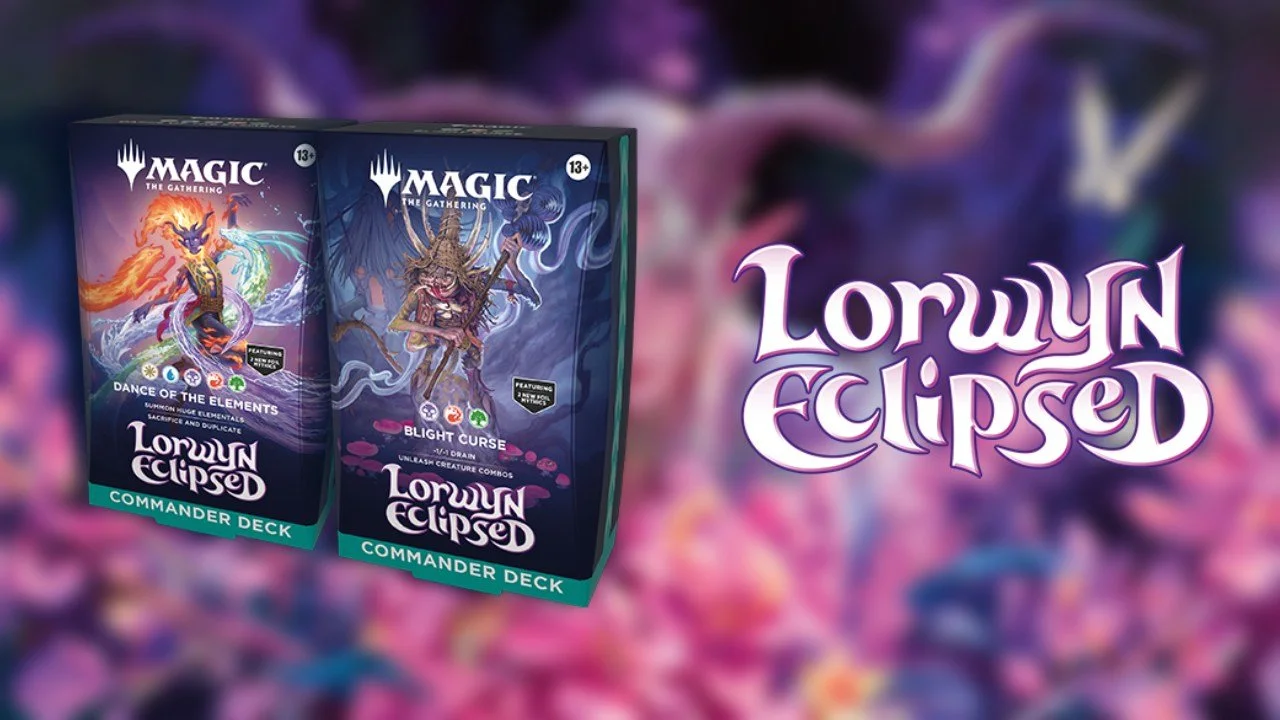
This strength isn’t accidental. The two flagship Commander precons—Elementals and Goblins—are centered in these colors, and Limited reflects that same design priority. Many of the set’s best commons, uncommons, and late-game payoffs live in Blue and Red, making them excellent starting points in both Draft and Sealed.
That said, Lorwyn Eclipsed is well balanced. Green excels at fixing and inevitability, Black dominates value and recursion, and White provides some of the cleanest interaction in the format. Blue and Red may lead, but every color has a reason to be played.
What is the best creature type in Lorwyn Eclipsed?
This one depends on whether you’re speaking from the heart or from the spreadsheet.
My personal favorite creature type is Faeries. They’re disruptive, evasive, and incredibly satisfying to pilot, especially when you’re flashing in creatures and forcing opponents into awkward lines of play.
That said, if we’re talking about raw ceiling and game-ending potential, Elementals are the strongest creature type in Lorwyn Eclipsed. When an Elemental deck comes together—especially with Vivid support—it does things no other archetype can. Massive ETB chains, doubled triggers, and overwhelming late-game threats can end games in a single turn cycle.
Elementals demand careful mana management and a bit of greed, but the payoff is absolutely worth it if you can get the deck rolling.
Gameplay tips and strategy for Lorwyn Eclipsed
Lorwyn Eclipsed rewards planning more than speed. Many decks don’t want to curve out aggressively; they want to set up engines, stabilize, and then take over the game.
Because tribal density matters so much, sequencing is critical. Sometimes the correct play is holding back a creature so it benefits from a Kindred payoff later, rather than jamming it on curve. Similarly, knowing where to put Blight counters—or when not to—is often the difference between winning and collapsing your own board.
Combat can get complicated quickly. Between tapping synergies, counter manipulation, sacrifice outlets, and recursion, board states often look messy. Take your time, think through blocks, and don’t assume trades are favorable without checking graveyard and counter interactions.
Finally, remember that Limited decks in this set are resilient by design. Don’t panic if you fall behind early. Many archetypes are built to recover, rebuild, and eventually overpower opponents who overextend.
Final Thoughts
Lorwyn Eclipsed is a deeply satisfying Limited environment that rewards synergy, creativity, and a willingness to experiment. Tribal drafting feels meaningful without being restrictive, splashing is encouraged rather than punished, and nearly every archetype has a path to victory if built thoughtfully.
Whether you’re flooding the board with Goblins, grinding value with Elves, or setting up a massive Elemental finish, this is a format that gives you time to play your game—and rewards you when you do it well.
If you enjoy slower, synergy-driven Limited formats with room for personality and big moments, Lorwyn Eclipsed is going to be an absolute treat.
If you’re enjoying how Lorwyn Eclipsed rewards synergy and long-term planning, be sure to check out our Riftbound: Spiritforged Meta Watch for a look at how the latest set is reshaping the competitive landscape.