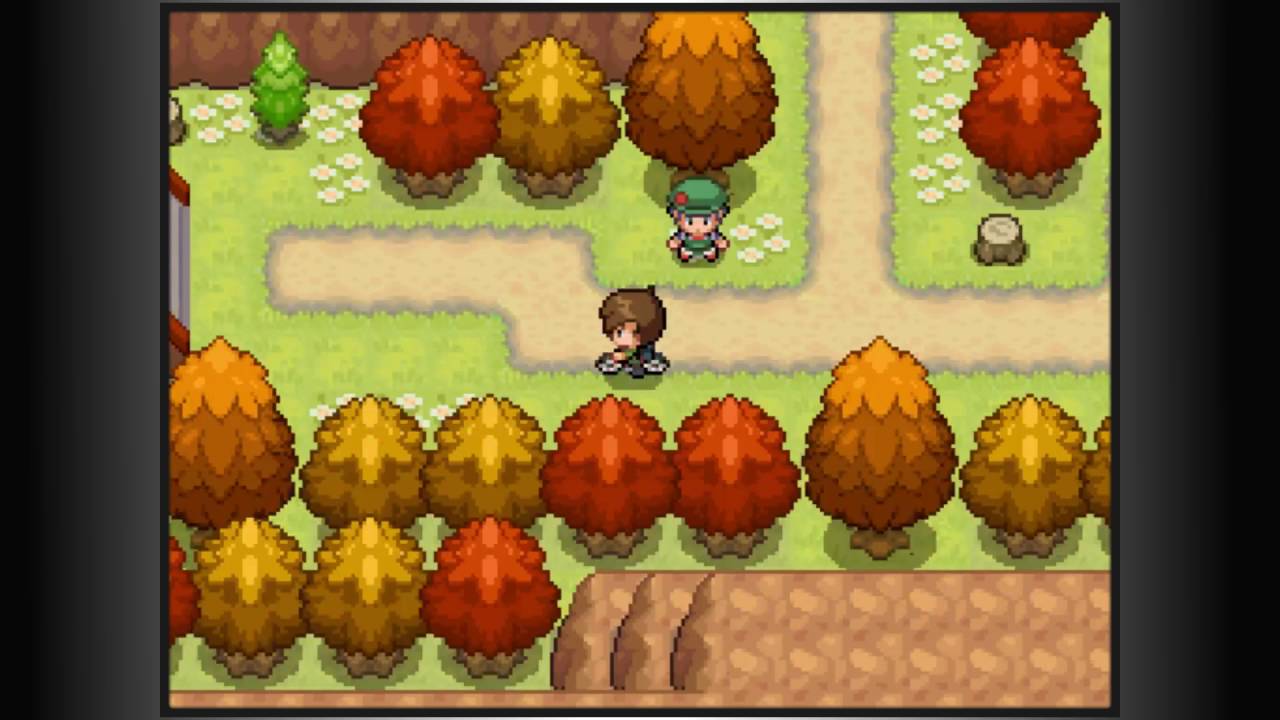
You can feel it the second you boot it up: this is not trying to compete with the latest 80-hour open-world monster or a battle pass-driven live service. Pokemon Aura is a throwback in the best possible way – a browser-based monster catcher that remembers why people fell in love with this genre in the first place, then quietly reshapes it for 2025.
Instead of asking for your whole weekend, it wants a tab in your browser and a small corner of your day. Underneath that low-key ask, though, is a surprisingly deep loop that can easily become your main “comfort grind” if you let it.
A Full Pokémon-Style Adventure in a Browser Tab
The first hook is pure convenience: no download, no launcher, no platform drama. You open your browser, make an account, pick a starter, and you’re in. It feels almost illegal in an era where everything wants 80 GB and a proprietary client.
From there, Aura hits all the familiar beats of a browser-based pokemon rpg game:
Routes with distinct spawn pools
Gyms / major battles that gate your progress
A growing box of monsters to obsess over
Long-term grinds for rarer forms and special rewards
If you grew up on Game Boy cartridges or DS marathons, the rhythm is immediately comfortable. The difference is you’re doing it from a Chrome tab instead of a clamshell handheld.
Built Around Short Sessions, Not Endless Marathons
GameTyrant readers are not just teenagers with entire summers to burn. You’ve got jobs, classes, other games, and probably a backlog that looks like a cry for help.
Aura is clearly built with that reality in mind.
Most meaningful actions fit cleanly into 10–20 minute chunks:
Clearing a route for XP and drops
Running a set of training battles
Checking spawns and auctions
Knocking out dailies or event tasks
If you have a full evening, you can chain those sessions into a proper binge. If you don’t, the game still respects that you showed up. You can make real progress in bite-sized sessions without feeling punished for logging off.
That design makes Aura a fantastic “second screen” game. It’s the thing you play while a podcast runs, a stream is on in the background, or you’re sitting in voice chat waiting for the rest of your squad to log in somewhere else.
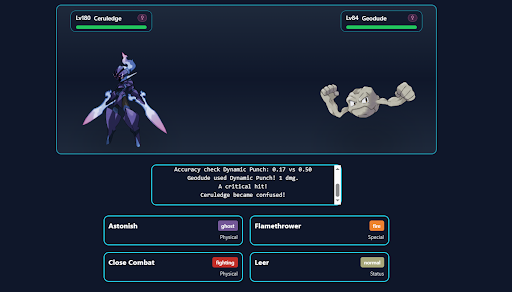
Depth for People Who Love to Min–Max
You could live your whole life in Aura as a casual collector: catch what you like, level what you vibe with, and ignore the meta. But once you start digging, there’s plenty for the spreadsheet-brain crowd.
Under the hood, there are:
Stat spreads and builds that can make the same species play completely differently
Synergy between team roles: walls, sweepers, utility, setup, and support
Encounters and challenges tuned so that smart team-building actually matters
Events and rewards that push you to experiment with new comps
It’s not trying to reinvent turn-based combat, but it does reward players who treat it as more than just “click strongest move.” For GameTyrant’s usual audience – the people who like to argue about optimal builds in comment sections – there’s genuine theorycrafting here.
A Collection That Starts Feeling Personal
The real test of any monster-collector is whether your box feels like “yours” after a few weeks.
Aura nails that feeling. Early on, you’re catching anything that moves. Later, patterns start to emerge:
That early monster you refuse to release even though it’s outclassed
A rare form you hunted across an entire event window
A themed team you built just because you thought it’d be funny, then accidentally got attached to
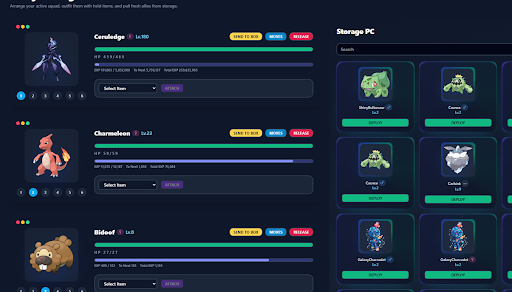
The game leans into that attachment with nicknames, long-term progression, and events that leave permanent marks on your account. Your collection becomes less of a checklist and more of a diary of how you’ve been playing.
Small Community, Strong Identity
One thing you don’t get from most giant live-service games anymore is familiarity. Lobbies are a blur of random names you’ll never see again.
A smaller online RPG flips that.
In Aura, regulars start to stand out quickly:
The grinder who’s always a few levels ahead of everyone else
The trader who somehow has a line on every rare form
The guide writer in chat who answers questions before staff do
The chaos gremlin running jank teams and still winning
That kind of community scale feels a lot like the early days of classic browser games and forum scenes. You don’t need to join an organized guild or schedule raids weeks in advance. You just log in, talk a bit, play a bit, and log off. Over time, you become one of the familiar faces.
Not Trying to Be Everything – On Purpose
To be clear, Aura isn’t going to replace your big tentpole releases. It doesn’t have AAA cinematics, fully voiced story arcs, or next-gen graphics.
What it does have is a very clear, tightly scoped mission:
Deliver the comfort of classic monster catching
Wrap it in modern QoL and live-ops sensibilities
Make it playable around real adult schedules
It’s less “The Main Game You Play This Year” and more “The Game That Quietly Becomes Your Default Tab.”
If you’re the kind of player who likes having a long-term project simmering in the background – something you can always fall back into between big releases – that’s exactly where Aura shines.
Why GameTyrant Readers Should Care
GameTyrant has always had a soft spot for indies and off-mainstream projects that punch above their weight. Aura sits squarely in that lane.
It’s an unapologetically niche game that understands its audience: people who still love the idea of building a team, grinding levels, and chasing rare forms… but who now have jobs, deadlines, and a lot less free time than they used to.
If that sounds like you, it’s worth givingPokemon Aura RPG, a browser-based pokemon rpg game built for modern players a shot. It won’t demand that you reorganize your life, but it might quietly claim a permanent spot in your daily routine - one route, one battle, and one new monster at a time.