Disclosure: This is a paid guest post. The author or an affiliated third party paid for its publication, and the article may contain promotional links. The views and opinions expressed are those of the author and do not necessarily reflect those of GameTyrant or its editorial staff.
A Rust wipe resets a server so everyone starts again from scratch. A map wipe clears every base, item and deployable on the server, and a blueprint wipe also removes the crafting recipes players have learned. What survives is everything tied to your Steam account rather than the server, including skins, paid content, Twitch drop rewards, achievements and playtime.
Official servers go through a forced wipe once a month when Facepunch releases its monthly update, usually on the first Thursday of the month. Community servers often wipe more frequently, weekly or every two weeks, depending on how the owners want the game to feel. Knowing what resets and when helps you choose servers and plan how much time to invest in each wipe.
When Rust Wipes Happen
The monthly forced wipe is the one fixed point in Rust's calendar. When Facepunch pushes its update, all servers running the standard game are required to wipe their maps, because the update changes the game in ways that aren't compatible with the old world. For many players, this day is the busiest of the month, with servers filling up within minutes of coming back online.
Between forced wipes, server owners set their own schedules. Some wipe weekly, which suits players who can only commit for a few days at a time. Others wipe every two weeks or only on the monthly update, which gives groups more time to build large bases and progress further. Server listings and descriptions usually show the wipe schedule, and it's worth checking before choosing where to play.
Wipe timing matters for strategy too. Joining right when a server wipes gives you the same start as everyone else, while joining days later means facing established groups with better gear and bases.
What a Map Wipe and Blueprint Wipe Reset
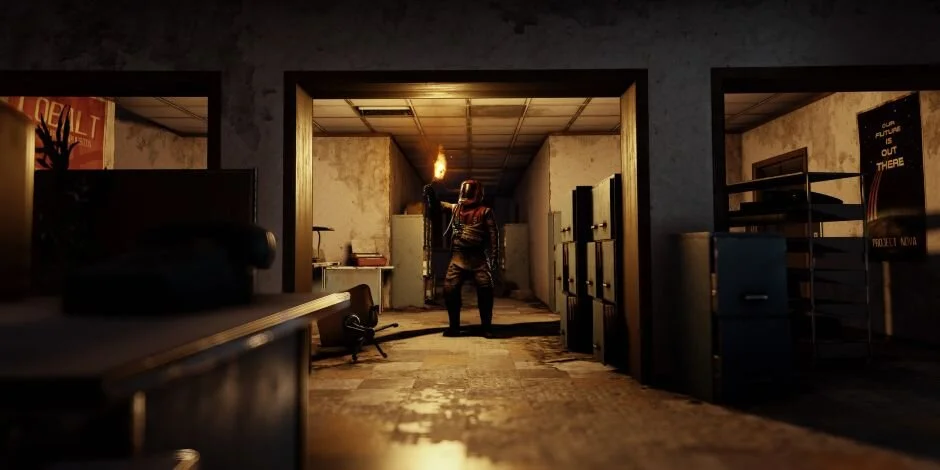
A map wipe clears the entire world. Every building, door, box, furnace, sleeping bag and item stored on the server disappears. Players spawn with only a rock and a torch, just as they would on their first day. Many servers also generate a new map layout or seed, so monuments, rivers and terrain may be in different places.
A blueprint wipe goes further by removing all learned blueprints. Blueprints let players craft items they've researched or unlocked through workbench tech trees, so wiping them means players must progress through research and workbench levels again. Monthly forced wipes are commonly paired with blueprint wipes on many servers, although some community servers keep blueprints for longer to let players progress faster.
The difference matters for how a wipe feels. A map-only wipe lets returning players jump back into advanced crafting quickly, while a full blueprint wipe puts everyone on more equal footing and stretches out the early game.
What Carries Over Between Wipes
Anything stored in your Steam account stays with you. Skins for weapons, doors, clothing and deployables remain in your inventory, ready to use from the first item you craft after a wipe. Paid content packs, Twitch drop rewards, achievements and your total hours in the game are also unaffected.
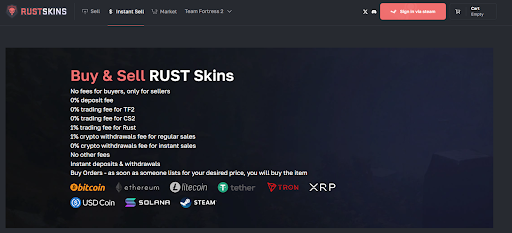
That persistence is a big part of why skins matter so much in Rust. Players often rebuild with the same skinned doors and boxes wipe after wipe, giving each fresh start a familiar look. Some also take part in crate draws on third-party sites around wipe day, where the item received is decided by chance. Most of these return items worth less than what was spent, so buying a specific skin directly is the more predictable way to add something you'll keep through every future wipe.
Knowledge carries over too, even if it isn't stored anywhere. Understanding monument puzzles, base designs, loot routes and raid costs gives experienced players an advantage every wipe. Relationships with other players and groups can also persist across wipes on community servers with regular populations.
How to Make the Most of Wipe Day
Preparation starts before the server comes back online. Decide which server you'll join based on its wipe schedule, population and rules, and agree on plans with your group, including rough base location, roles and priorities. Having a strategy saves valuable time when hundreds of players arrive at once.
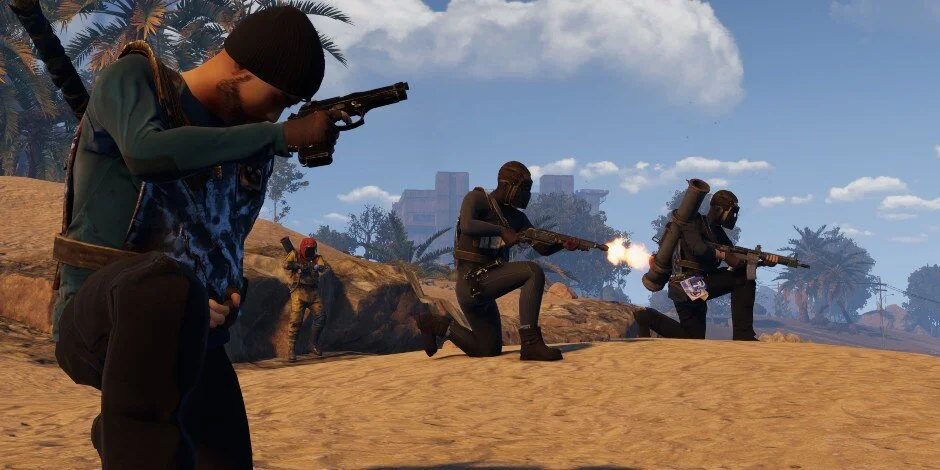
In the first hours, focus on gathering resources, building a small secure base and crafting essential tools. Many players aim to secure a spot away from the busiest areas, then expand once they have enough materials. Upgrading your base early reduces the risk of being raided before you've had a chance to progress.
Research and workbench progress matter on blueprint wipes. Prioritizing a workbench and key blueprints early helps you reach better weapons and gear before most other players. On map-only wipes, returning players can move faster, so securing resources and components quickly becomes even more important.
Pacing is worth thinking about as well. The first day of a wipe is intense, but the second and third days often decide how the rest of the wipe goes. Spreading effort over several sessions, rather than exhausting yourself in the opening hours, usually leads to better results.
Before your next wipe, check your chosen server's schedule and whether blueprints will reset, then plan your first few hours around that. Knowing exactly what you'll keep and what you'll lose makes it easier to focus on what matters most: a strong start, a secure base and gear you'll enjoy using until the next reset.