Increasingly, technology is having a major impact on gaming and improving the way players can access and enjoy games. For many years, game performance was limited by the size of the gaming console or the specifications of a PC. However, the cloud is now available and is making it easier to give gamers access to immersive games that require higher storage capacities and speeds. And all of this means there's a change in game operations as hardware is now no longer needed as the main part of a game. Let's take a look.
What is cloud gaming?
In traditional gaming, the performance of the game depends on the power of the hardware being used locally. This means either a computer or the console that's running the game. The efficiency of the game is dependent on the CPU, graphics card and memory, all of which impact the game's ability to run smoothly and without glitches. Cloud gaming takes the heavy computation of games and puts it remotely rather than relying on hardware. As such, cloud gaming means that players no longer need powerful gaming devices at home. Instead, the data is located in remote data centres, running on powerful cloud servers that stream the game to the player's device of choice. This means that players do not have to download or install games, taking up space on their devices. Instead, the game launches instantly and doesn't require upgrades. Better still, there are no hardware limitations in place. This technology is now increasingly used across all gaming sectors from mobile casinos to major video games such as DOTA 2.
With cloud gaming now a major part of the gaming industry, it's really helped to give more players access to games. Now, players don't have to worry whether or not they have enough storage space or the latest device to play on. All that's required is a fast internet connection and the ability to access the cloud. This means that even games that are graphic-heavy can be played anywhere. Of course, it's not all plain sailing as there are still limitations. Bandwidth, latency and rendering efficiency are all impacted and the issues need to be mitigated where possible. But, thanks to artificial intelligence, this is becoming a lot easier.
Phones against consoles
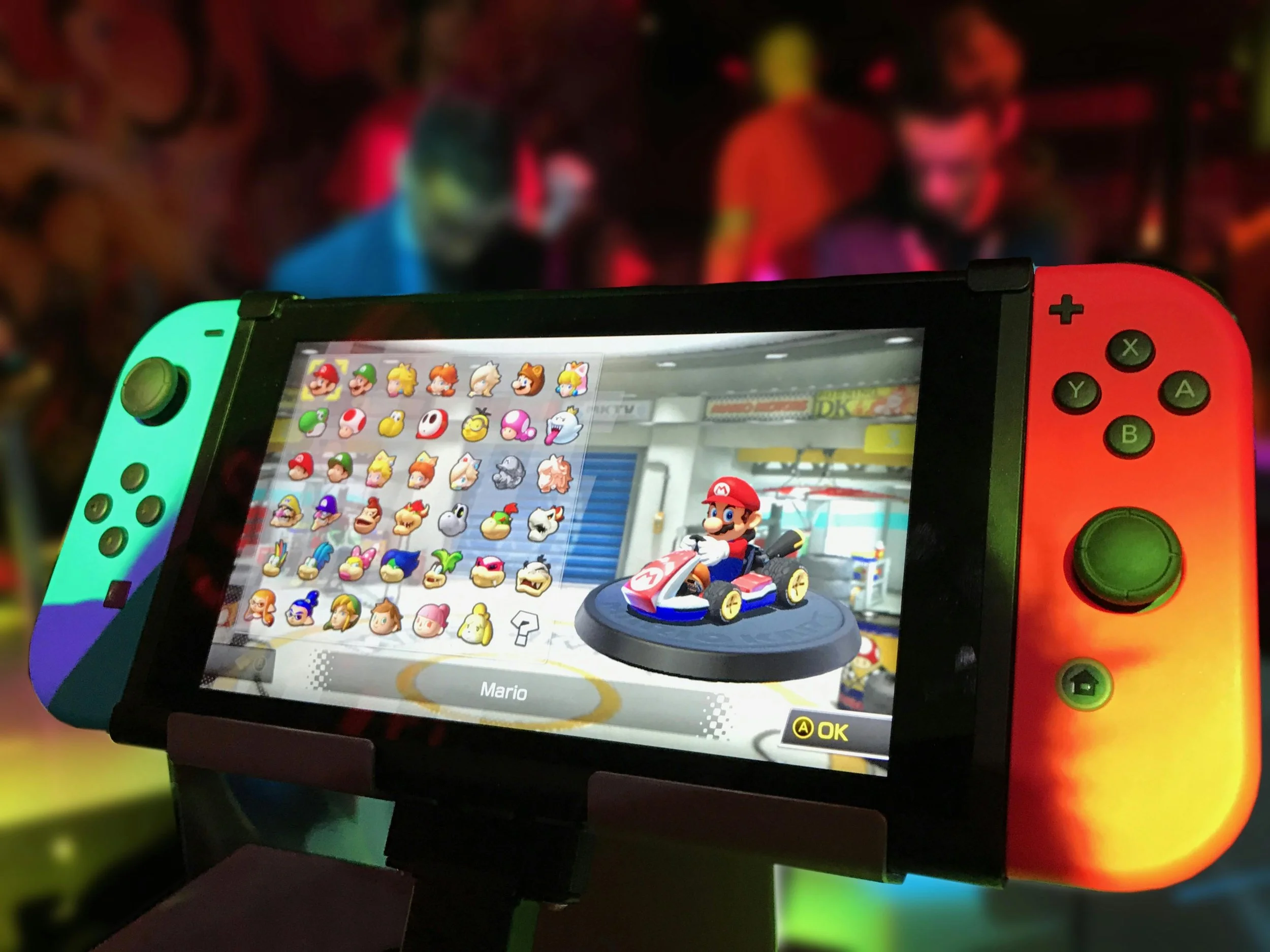
As outlined, cloud gaming has made gaming a lot more convenient. However, traditional consoles still have some advantages. For one, they do offer a better performance overall simply because they offer local processing power. This means there's lower latency and better graphics. Factors such as these are very important when it comes to things like competitive gaming. Having a console also means the player owns the game outright, so there's no need to rely on an internet connection or to continue with a subscription to access online games.
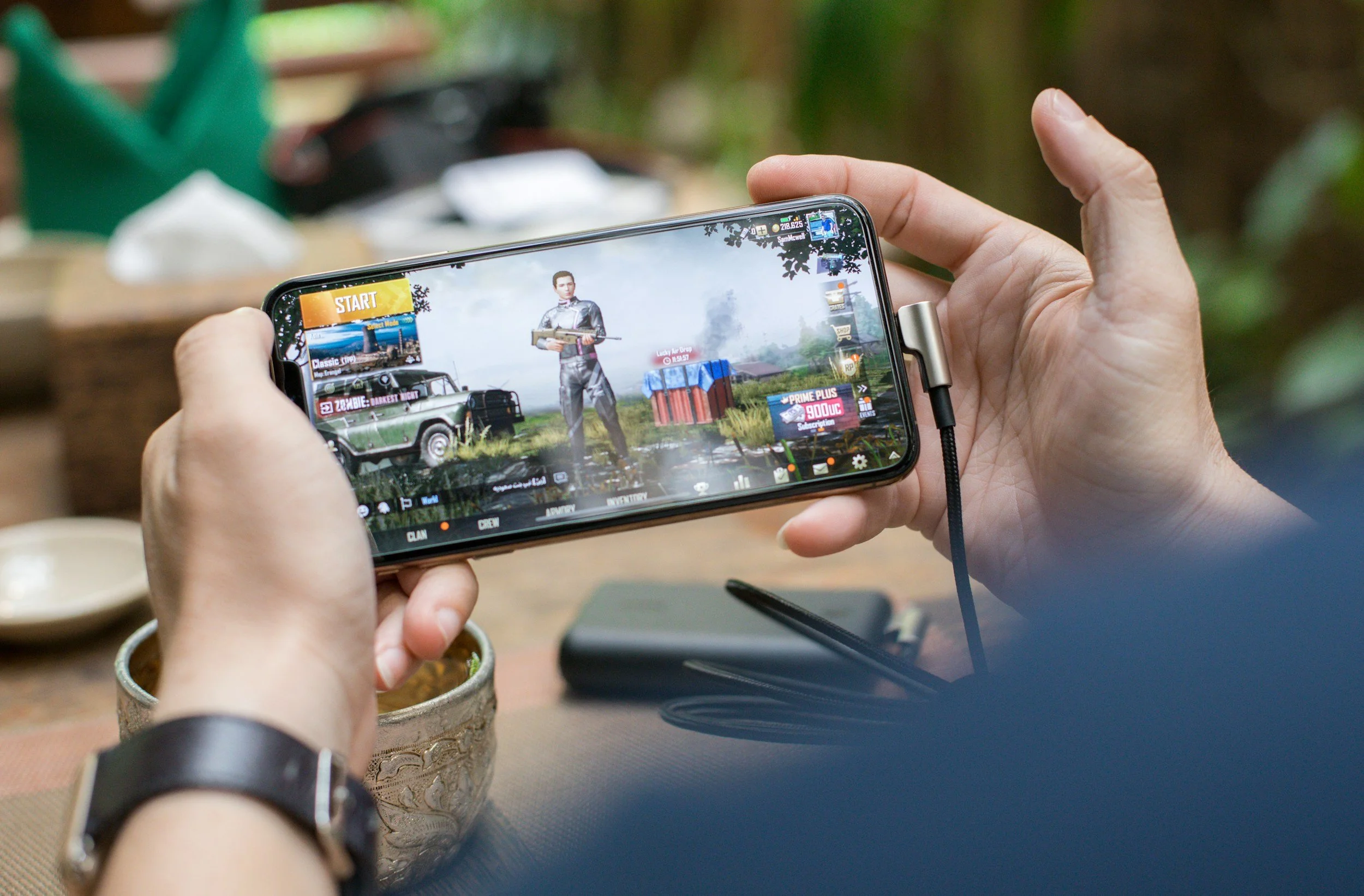
However, cloud gaming is far more flexible. Players can just turn on their phone, get online and start playing right away. Better still, there's cross-device functionality and syncing, which means a game can be started on one device and finished on another. However, despite the easy accessibility phone and tablets give gamers, it's still unlikely that they will replace a gaming console. This is because, for good cloud gaming, you need to be streaming at 1080p, which means that it's around 4-5 GB used per hour. For mobile users, this can mount up quickly and result in overcharges on a phone bill, unless the data plan is large enough to cover this. What's more likely is a hybrid option where cloud gaming is set to complement console games. Many major companies, such as Microsoft and Sony, are already integrating cloud gaming into their systems to give players a broader set of options when they game.
Choosing which option to go for really comes down to the individual, though. Casual gamers might do a lot better with a cloud-based gaming format. This is because it is portable, gives instant access, and provides a solid gaming experience. In contrast, for those who are looking for the best quality, or are a competitive gamer, then offline play on a console still gives the best experience in terms of graphics and speedy.