These days, gaming fits right into our daily lives. Maybe you play a quick game on your phone while waiting. Or you relax with your console after a long day. The new year is bringing some exciting changes. Gaming is starting to use some great technology. Cloud gaming has opened up a whole new world. Now, anyone can play top games without fancy hardware. Watching AI change games is pretty incredible. It's happening quietly, almost in the background, but the changes are real. The whole world seems to be moving at lightning speed these days. We're all chasing that next thrill in our favorite casual games. We don't want to lose the magic that made us fall in love with these games in the first place.
The Cloud Gaming Revolution
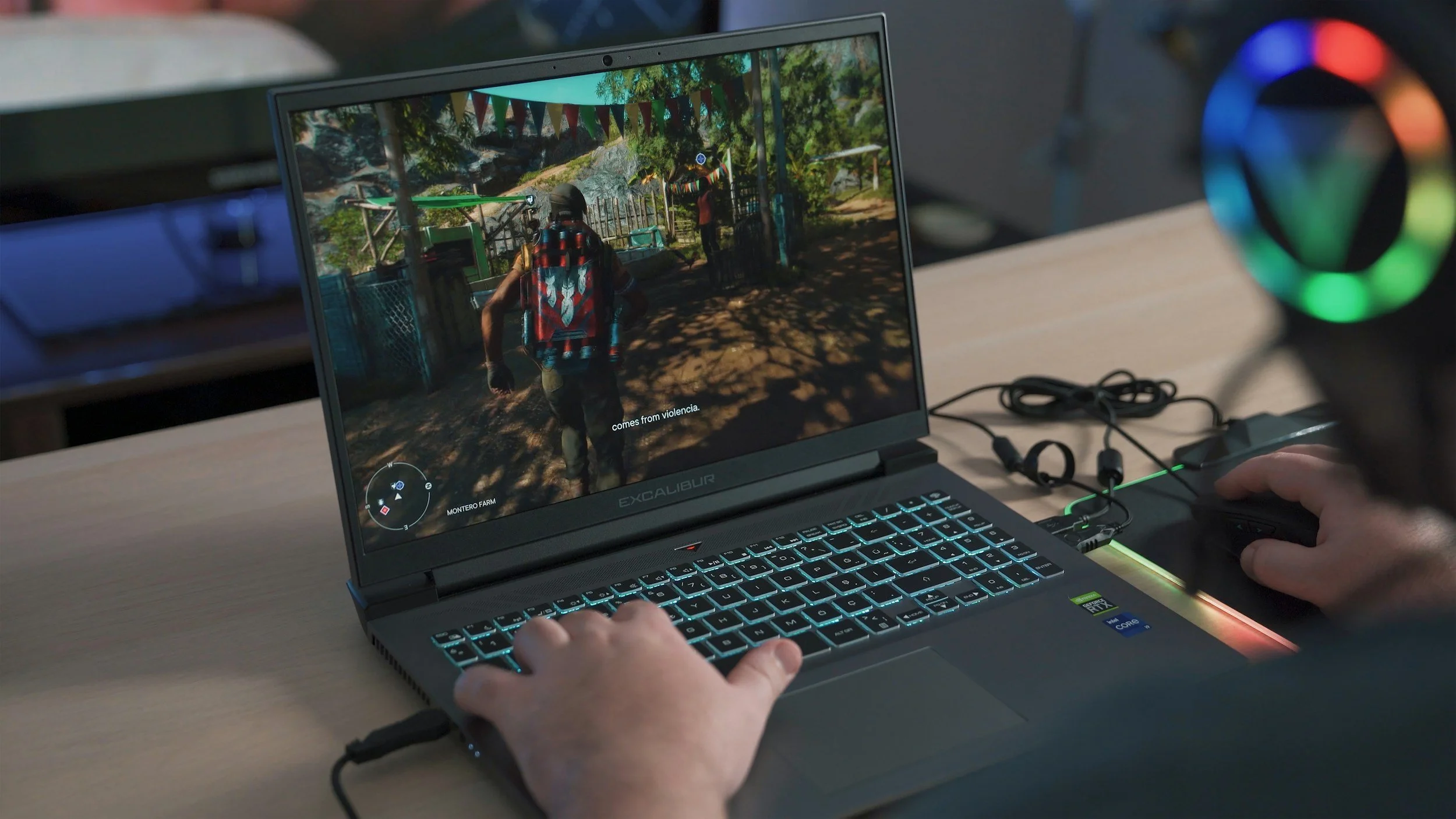
Cloud gaming is becoming really popular for everyday gamers. Stop thinking you have to buy expensive gaming equipment. The truth is, you can stream all the popular games straight to any device in your house. Your phone works. Your old laptop works. As long as you have good internet, you should be ready to play. By 2026, these services will have almost zero lag. They'll also add augmented reality features that completely change how games feel. Think about jumping into a complex RPG on your laptop during your lunch hour. It's that simple.
Naturally, this leads to built-in live streaming becoming common. Sharing your gameplay feels effortless, changing solo play into social experiences. Industry numbers show this is expanding quickly, with more competitors joining the market. Still, problems like network slowdowns during peak hours keep things grounded. For casual players, it's a major advantage that removes barriers to top-tier gaming content.
AI's Subtle Takeover in Casual Play
AI is transforming games in ways you might not expect. This year, games are becoming more responsive to how you play. They can scale difficulty based on your performance or whip up custom scenarios that match your vibe. Take a strategy game where the AI notices you're having trouble and slips in a subtle hint. Or an exploration game that generates unique side quests right when you need them.
This move toward deeper immersion is great, but there's chatter about overusing AI. Some people think it could lead to cookie-cutter content. The latest games show that AI can make characters act much more like real people. That human touch makes games more engaging. When AI works well in games, players notice. Gameplay feels smoother, and those frustrating moments disappear. But here's the catch for game creators. They have to make the AI feel like it belongs. It needs to be organic, not something that feels tacked on. The real goal? Use AI to make things better without letting it take over completely.
Blockchain and Crypto: Where Gaming Gets Edgy
Gaming is changing, and blockchain is the reason. Soon, play-to-earn games will be everywhere. You can turn your gaming achievements into cryptocurrency earnings. Imagine owning rare gear as NFTs and playing in game worlds that aren't controlled by any single company. This financial angle is pulling in casual gamers who want more from their playtime.
This integration extends to online platforms where blockchain underpins fair play mechanics. New crypto casinos, for example, have this neat feature called provably fair systems. Which means they use server and client seeds mixed with cryptographic hashes. What makes this a great feature is that you can check game results yourself right on the blockchain. It's like having your own personal referee.
Imagine having access to thousands of games. Seriously, 4,000 to 9,000 different options. You'll find all the classics you know and love, like slots, blackjack, and roulette. But here's something special: they also have games made just for crypto players. Games like Crash and Plinko that you won't find at traditional casinos. And the payment process is completely automatic. Smart contracts handle everything, so there's no waiting around for your money. For security, they use SSL encryption and keep everything recorded on the blockchain. New trends include Telegram access and Web3 features, which make these platforms easily accessible for fast, anonymous gaming. Blockchain provides clear entertainment, but users must manage their wallet security.
AR and VR: Bringing Worlds Closer to Home
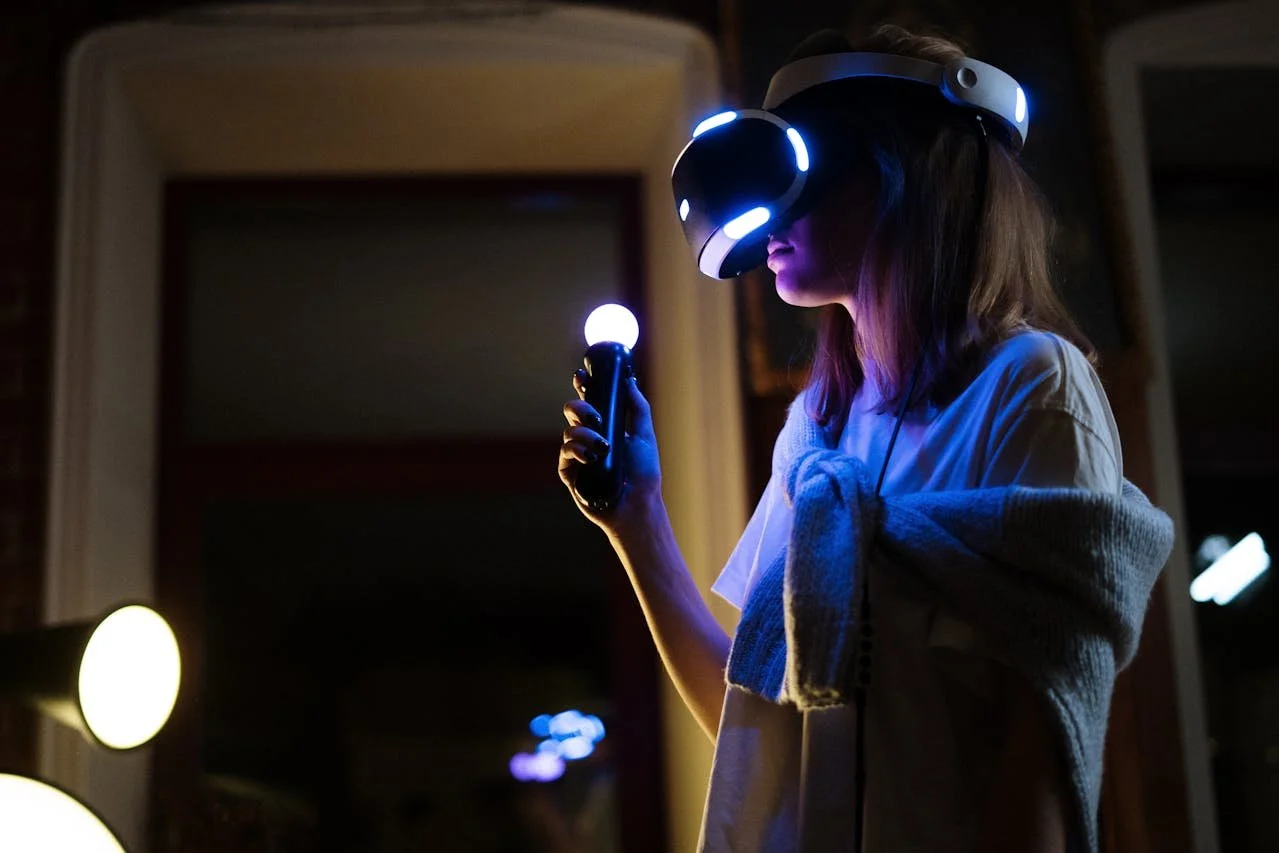
AR and VR have finally become something you can actually use every day. Your phone can now turn the world around you into a game, building on those early AR apps we all tried. VR headsets are cheaper and more comfortable too, letting you jump into virtual worlds for quick breaks that fit your schedule.
This helps everything from playing games with friends to practicing for eSports. AR tools can show you stats right on your screen while you practice. What people love is how these technologies come together. You might use VR for calming escapes or AR for social games. Motion sickness still affects a few people here and there. But it's rarely a deal-breaker. What's really happening is that gaming is blending with our physical world. It's becoming something you can experience with all your senses.
The Indie Boom and Remakes Resurgence
Independent games are thriving right now. Thanks to accessible platforms, even tiny teams can make games that catch on fast. These games usually have concepts you won't find anywhere else. Their stories are unique, with clever turns that bigger studios might miss. At the same time, remakes draw in players who remember the classics. They update those old favorites with modern touches.
This diversity is what makes gaming so interesting. Big games aim for spectacle and scale. Indies focus on simple, enjoyable gameplay. It's a perfect balance. No matter if you want a short gaming break or a longer adventure, you'll find exactly what you're looking for.
Conclusion
What's next for gaming? First off, forget about needing expensive hardware. Cloud tech takes care of that. Games have gotten smarter with AI because it has the ability to remember what your preferences are. Blockchain gives you real ownership of your digital items. AR and VR make everything feel more immersive. Meanwhile, indie developers bring unique perspectives to life. Put it all together, and gaming keeps changing in cool ways. There are challenges, of course, like bugs to fix, ethics to consider. But those push progress forward. If you're a casual player, try cloud streaming or a blockchain game. Big changes are coming, and 2026 is just the beginning of the journey.