Disclosure: This is a paid guest post. The author or an affiliated third party paid for its publication, and the article may contain promotional links. The views and opinions expressed are those of the author and do not necessarily reflect those of GameTyrant or its editorial staff.
Disclaimer: The following content contains references to gambling, casinos, and related topics.
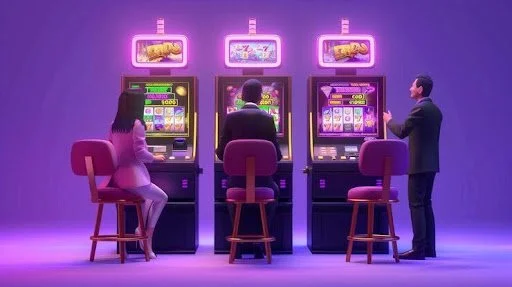
Watch a modern slot and you might find yourself waiting for a character to charge up a special move. A win can set off a chain of events that takes far longer to play out than the spin itself.
That feels familiar if you play video games. Casino developers use many of the same design ideas to make one action worth following. The useful comparison starts with what the game makes you wait for, and how it keeps changing that goal.
A bad slot costs more than a bad video game
Picking a video game without reading a review is usually a small risk. Maybe you waste $70, realize you hate the combat after two hours, and move on.
Slots are different because each paid spin costs money. Before playing, it helps to know what the game is actually like. Is it highly volatile? How often does the bonus appear? What can trigger free spins? Does the game rely on long dry periods followed by rare big wins? Even understanding the main mechanics can stop you from going in with completely wrong expectations.
That is why slot reviews have more value than simply telling you whether the graphics look good. A useful review should explain the betting range and bonus rules, then describe what happens during actual play. A big maximum win might catch your eye, but you’ll spend most of your time playing the rounds in between. Those deserve some attention too.
The expert slot reviews by Casino Crest are based on real-money play, with testers sharing their session results and explaining how the features behaved. They look at the pace of the game, what happened during bonus rounds, and how it runs on mobile. You get a sense of what you’re choosing before putting your own money into it.
One move becomes a chain you want to follow
In Candy Crush Saga, your move can clear candies, let new ones fall, and cause fresh matches. A small match may set up a much bigger chain. The board keeps answering that first move.
A slot can use the same flow. Play’n GO’s Reactoonz puts aliens on a 7x7 grid. Clusters of five or more matching aliens vanish when they win, leaving room for new symbols to drop in.
Those wins also feed energy to Gargantoon, the creature waiting beside the grid. Charge him fully and he brings more features onto the board.
Now there are two things to follow. The next drop might form a winning cluster, while that cluster might also help charge the bigger feature. Each event gives the next one a reason to exist.
The meter does more useful design work than the alien theme. It gives the round a goal you can see. You start watching what a win might lead to, instead of looking only at what it paid.
Powers become more fun when they affect other powers
Roguelikes get plenty of mileage from this. In Hades, the value of a new power depends partly on what you already have. Its Duo Boons combine powers from two gods, giving players another reason to think about how their build fits together.
Money Train 4 has an Arms Dealer that turns bonus symbols into special features. Its Upgrader can then make features persistent, so their effects keep working during the bonus.
The appeal comes from one rule changing another. A feature that acts once has one value. Give it repeat uses and you start watching the whole bonus differently.
That is the strongest parallel with a roguelike build. The pleasure comes from seeing powers work together. There is much more to follow than a number getting bigger.
Choosing where to click makes the result feel personal
Most slots play those combos out for you. Some other casino games ask you to do more than press Spin.
Evolution’s Gonzo’s Treasure Hunt puts a live host beside an animated explorer and a wall of 70 stones. It even launched with an optional VR mode. Players pick stones from the wall to search for prizes. Instead of watching a result arrive, they take part in revealing it.
That is a familiar video game trick: give the player an action at the moment of discovery. Opening the chest yourself feels different from being told what was inside.
The game’s rules make the limit clear, though. The stones are shuffled and their values hidden before players pick. There are no clues to solve as there would be in Minesweeper. More input makes the reveal feel personal. It doesn’t give you a puzzle to master.
The game gives you unfinished business
Those clicks give you something to do within a round. Video games also know how to keep a goal alive after a match ends. An achievement can leave you with unfinished business even when you’ve beaten the game.
Casino suppliers have built that extra layer into slots. In 2017, Quickspin launched its Achievements Engine to track events such as a scatter landing or a win using two wild symbols. It had four achievement levels and tokens players could spend to trigger bonus features.
A slot result now changes your balance and can move an achievement forward at the same time. Even a modest win might tick off a task. You have another reason to pay attention to a round that would otherwise be easy to forget.
Quickspin makes the link even more visible with Challenges. A small maze sits above the slot grid. Spins help move a character toward a chest with a set prize.
It is a second game wrapped around the first. The maze gives separate rounds a shared goal, much as a quest can give several fights a purpose. The maze can move forward while your balance falls.
This is the most questionable borrowing. Completion goals are powerful enough in a game you already own. Put one above a paid spin button and “I’m nearly there” can become an expensive reason to keep going.
Design that makes a round easier to follow is welcome. A progress bar that makes it harder to leave deserves much less praise.