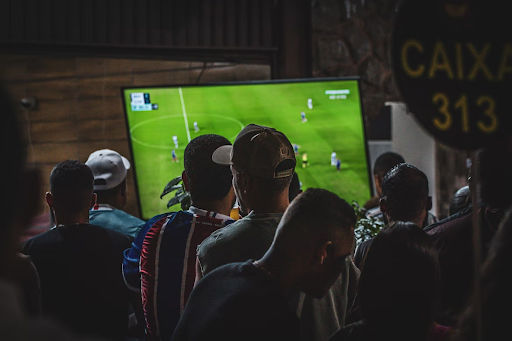
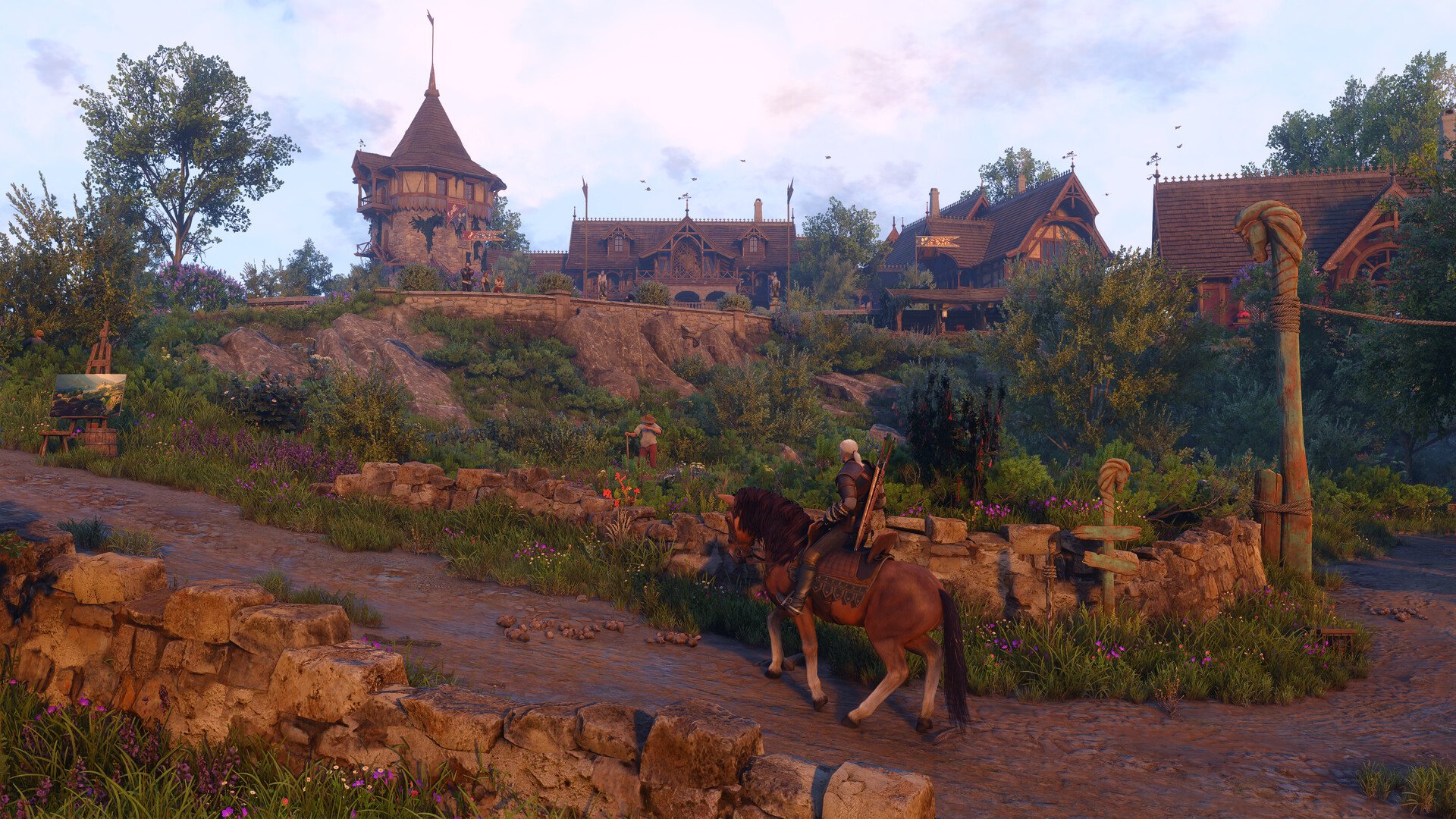
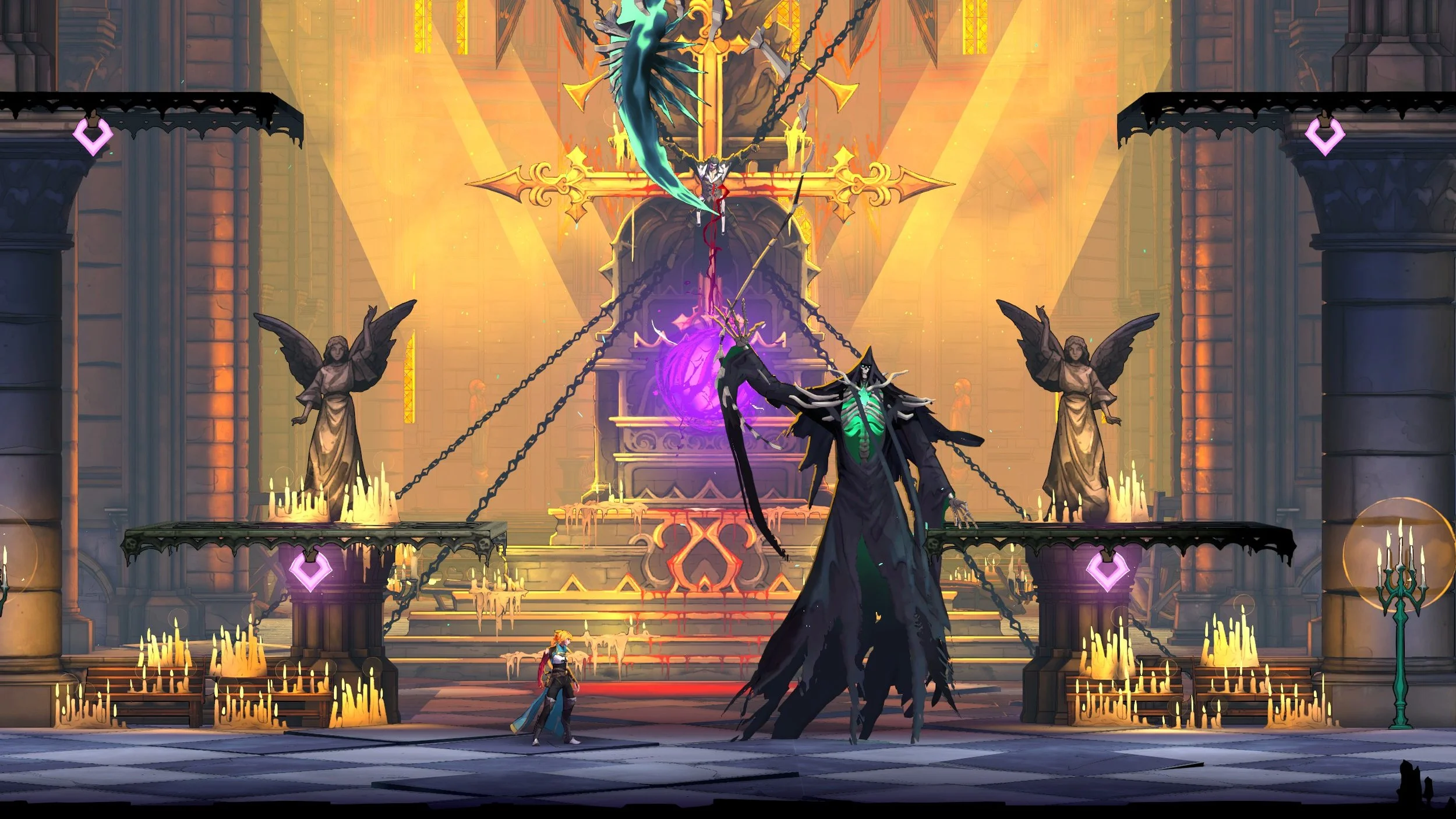
Online entertainment has changed significantly over the last two decades. Fast internet connections, mobile devices, and new digital services have altered how people spend their free time. Gaming sits at the center of this shift, but it no longer exists as a separate activity. Players now interact with video content, social platforms, live broadcasts, virtual events, and many other forms of digital media within the same online environment.
The growth of online entertainment has also expanded interest in related digital activities. Many users explore streaming platforms, competitive gaming broadcasts, social communities, and services such as lazybar casino while looking for new ways to spend time online. This trend reflects a broader movement toward connected entertainment experiences that combine interaction, communication, and instant access.
The gaming era has not replaced traditional entertainment completely. Instead, it has changed expectations. Modern audiences expect convenience, interaction, personalization, and continuous access across multiple devices. These expectations influence nearly every segment of digital entertainment today.
A Digital Entertainment Platform Built for Modern Users
As online entertainment continues to expand, many users look for platforms that combine accessibility, interactive features, and a wide range of content. Lazybar Casino reflects this trend by offering a digital environment that fits naturally into modern entertainment habits. Users can access the platform from different devices, explore various gaming options, and engage with content at their own pace.
Several factors contribute to the platform’s appeal, including straightforward navigation, mobile compatibility, and quick access to entertainment features. In an era where people expect convenience and constant connectivity, Lazybar Casino represents the broader shift toward digital platforms that integrate smoothly into everyday online leisure activities.
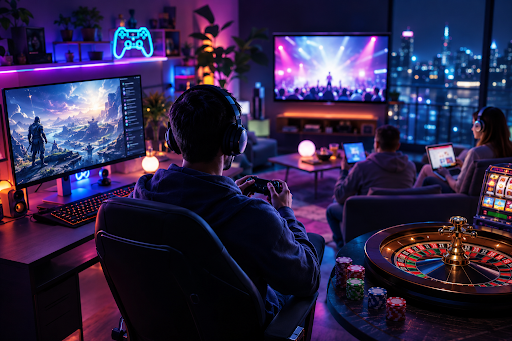
Gaming as a Central Part of Digital Culture
Gaming once occupied a relatively narrow space within the entertainment industry. People purchased physical copies of games, played them locally, and shared experiences with a limited group of friends.
Today, gaming functions as a major social activity. Players communicate through voice chat, text messaging, forums, and online communities. Many people spend as much time discussing games as they spend playing them.
Several factors contributed to this development:
Faster internet infrastructure
Affordable smartphones and tablets
Global multiplayer systems
Cloud-based services
Social networking integration
These elements created an environment where entertainment extends beyond the game itself. Players can watch tutorials, follow discussions, participate in community events, and share achievements without leaving the digital ecosystem.
As a result, gaming now influences entertainment habits across different age groups and regions.
The Rise of Interactive Entertainment
Traditional media usually follows a one-way structure. A viewer watches a film. A listener hears a podcast. A reader consumes an article.
Online entertainment often works differently. Users actively participate in the experience. They comment, vote, interact with creators, and influence outcomes.
Gaming helped establish this expectation. Players became accustomed to making choices and seeing immediate results. Other forms of entertainment gradually adopted similar approaches.
Interactive elements now appear in many digital activities:
| Entertainment Format | Interactive Feature |
|---|---|
| Live streams | Real-time chat |
| Online games | Multiplayer participation |
| Virtual events | Audience involvement |
| Community platforms | User-generated content |
| Digital competitions | Voting and rankings |
This shift reflects changing audience behavior. People increasingly prefer active participation over passive consumption.
Streaming and Content Creation
Streaming transformed online entertainment in several important ways. Instead of playing games privately, many individuals now broadcast their activities to large audiences.
Viewers watch gameplay for different reasons. Some seek entertainment. Others want education, strategy insights, or community interaction.
Content creation has expanded far beyond gameplay footage. Creators produce:
Reviews
Commentary
Analysis
Tutorials
Event coverage
Discussion programs
These formats attract audiences who may not actively play the featured games.
Streaming also shortened the distance between creators and viewers. Real-time communication allows immediate feedback and discussion. This level of interaction rarely existed in earlier entertainment models.
As technology improved, live content became a standard component of digital entertainment rather than a niche activity.
Mobile Devices and Constant Access
Smartphones changed how people consume entertainment. Users no longer need a desktop computer or television to access online content.
Mobile devices support gaming, streaming, social communication, and digital communities from almost any location.
Several trends emerged from this shift:
Shorter entertainment sessions
Increased daily engagement
Greater demand for convenience
Cross-platform experiences
Continuous content consumption
Developers and content creators adjusted their products accordingly. Many services now prioritize mobile usability during development.
This approach reflects user behavior. People expect entertainment to remain available throughout the day rather than during specific periods.
Mobile access also encourages experimentation. Users can quickly explore new games, communities, videos, or platforms without major commitments.
Social Features and Community Growth
Online entertainment increasingly revolves around communities. Technology allows people with shared interests to connect regardless of geographic location.
Gaming communities often discuss topics beyond gameplay. Members exchange recommendations, debate industry developments, and organize events.
Several community features support this growth:
Discussion forums
Private groups
Live chats
Community servers
Fan projects
These spaces create ongoing engagement that extends beyond individual entertainment sessions.
Community participation also influences content development. Developers, creators, and organizers frequently gather feedback directly from audiences.
As communication tools improve, communities continue to play a larger role in shaping entertainment experiences.
Competitive Gaming and Spectator Culture
Competitive gaming created a new branch of online entertainment. Many viewers watch tournaments without actively participating.
This behavior resembles traditional sports viewing in several ways. Audiences follow teams, discuss performances, and anticipate major events.
However, digital competition introduces additional layers of engagement. Viewers often communicate with each other during broadcasts and access statistics in real time.
The growth of spectator culture generated demand for:
Event analysis
Player interviews
Tournament coverage
Strategic breakdowns
Community discussions
These activities support an entertainment ecosystem that extends far beyond the competition itself.
The combination of participation and observation remains one of the defining characteristics of gaming-related entertainment.
Personalization and User Preferences
Modern entertainment platforms collect information about user behavior and preferences. This information helps recommend relevant content.
Personalization appears in several areas:
Video suggestions
Game recommendations
Community feeds
Event notifications
Content discovery systems
Users benefit from easier access to material that matches their interests.
At the same time, audiences maintain significant control over their experiences. Many people actively curate subscriptions, channels, groups, and content sources.
Gaming contributed to this development because players often expect systems to respond to individual choices and behavior.
The broader entertainment industry increasingly follows similar principles.
The Impact of Virtual Events
Online events became a significant part of entertainment culture. Gaming communities played a major role in their growth.
Virtual gatherings can include:
Product announcements
Community celebrations
Competitive tournaments
Educational presentations
Interactive discussions
These events attract global audiences without requiring travel.
Organizers can reach participants from multiple countries simultaneously. Attendees can engage through chats, polls, and social discussions.
The success of virtual events demonstrates how entertainment continues to evolve beyond physical venues.
Many organizations now incorporate both online and offline elements into their event strategies.
The Influence of Technology on User Expectations
Technology continues to shape audience expectations.
Modern users generally expect:
Fast loading times
Stable performance
Cross-device access
Interactive features
Regular updates
Gaming helped establish many of these standards. Players often interact with complex systems that receive ongoing improvements and new content.
Other entertainment sectors increasingly follow similar practices.
For example, streaming services update libraries frequently. Community platforms introduce new features regularly. Digital events incorporate advanced interaction tools.
Audience expectations continue to rise as technology advances.
Challenges Facing Online Entertainment
Despite its growth, online entertainment faces several challenges.
One concern involves information overload. Users encounter large amounts of content every day, making discovery more difficult.
Additional challenges include:
Content moderation
Privacy concerns
Platform fragmentation
Digital fatigue
Community management
Organizations must address these issues while maintaining positive user experiences.
Gaming communities often encounter these challenges early because they generate large volumes of interaction and user-generated content.
Lessons learned in gaming environments frequently influence broader entertainment practices.

What the Future May Look Like
The future of online entertainment will likely focus on greater integration across different formats.
Gaming, streaming, community participation, and virtual experiences already overlap in many areas. This trend may continue as technology improves.
Several developments could shape future growth:
Expanded cloud services
Improved virtual environments
Advanced recommendation systems
Enhanced social interaction tools
More sophisticated content creation platforms
User expectations will remain an important factor. Audiences increasingly seek convenience, interaction, and meaningful engagement.
Companies, creators, and communities will continue adjusting to these preferences.
The exact direction may change over time, but the connection between gaming and entertainment appears stronger than ever.
Conclusion
The gaming era has reshaped online entertainment in fundamental ways. Gaming no longer functions as an isolated activity. It influences streaming, community building, virtual events, content creation, and audience behavior across the digital world.
Interactive experiences now occupy a central position in entertainment culture. Mobile technology, social communication tools, and real-time engagement have changed how people spend their leisure time.
As online platforms continue to evolve, gaming will remain an important force behind many of these developments. The relationship between entertainment and digital interaction continues to grow, creating new forms of participation, communication, and engagement for audiences worldwide.