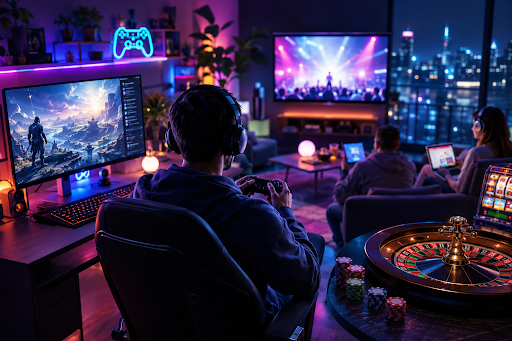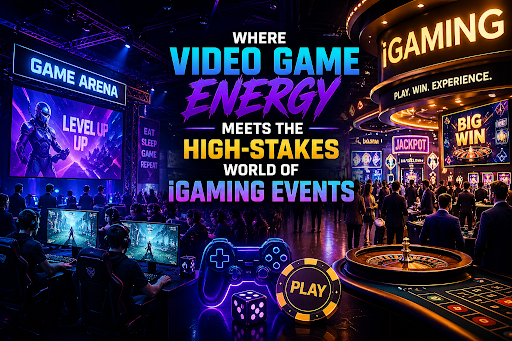
The line between traditional video gaming and the iGaming industry is fading faster than ever. What once existed as two separate entertainment ecosystems—console gaming on one side and online casinos on the other—has evolved into a dynamic intersection powered by technology, community, and spectacle, with iGaming events playing a central role in bringing these worlds together. Today, iGaming events are beginning to feel less like corporate expos and more like full-scale gaming conventions, echoing the energy you’d expect from GameTyrant while aligning with the innovation-driven approach seen in companies such as BGaming.
This transformation is not accidental. It reflects deeper cultural and technological shifts shaping how audiences engage with digital entertainment.
The Evolution of iGaming Events
Not long ago, iGaming conferences were largely business-focused gatherings. Executives, developers, and affiliates met in formal environments to discuss partnerships, compliance, and product launches. While those elements still exist, the atmosphere has changed dramatically.
Modern iGaming events now incorporate:
Interactive showcases
Gamified experiences
Live-streamed competitions
Immersive booth designs
This shift mirrors the rise of gaming expos like E3 or Gamescom, where entertainment value is just as important as industry networking.
Gaming Culture as the Driving Force
Video games have always thrived on engagement. Whether it’s leveling up, unlocking achievements, or competing in multiplayer arenas, the core appeal lies in participation. iGaming has taken notice.
Developers and event organizers are increasingly borrowing from gaming culture to create more engaging experiences. Instead of static presentations, attendees can now test products in real time, participate in challenges, and interact with branded environments that feel closer to a game than a showroom.
Here’s how gaming culture is influencing iGaming events:
Storytelling-driven product demos
Leaderboards and competitive mini-games
Reward systems for participation
Cosplay and themed environments
These elements turn passive attendees into active participants, significantly increasing engagement and memorability.
Why This Crossover Matters
The convergence of video games and iGaming isn’t just about aesthetics—it’s about audience expansion. Younger generations, particularly those raised on video games, expect entertainment to be interactive and visually engaging.
By adopting gaming-inspired formats, iGaming events achieve several key advantages:
Broader Appeal – Attracting not just industry professionals but also content creators and gaming enthusiasts
Higher Engagement – Interactive experiences keep attendees involved longer
Stronger Brand Recall – Memorable experiences translate into lasting impressions
Social Media Amplification – Visually dynamic events are more shareable
Innovation Perception – Companies appear more forward-thinking and tech-savvy
This approach helps the industry stay relevant in an increasingly competitive entertainment landscape.
Technology Bridging the Gap
Technology plays a central role in merging these two worlds. Advances in graphics, AI, and real-time interaction tools have made it possible for iGaming platforms to deliver experiences that rival traditional video games.
At events, this is reflected in:
VR and AR casino simulations
Live dealer setups with cinematic production quality
AI-powered personalization demos
Cross-platform gaming integrations
The result is an environment where the distinction between “playing a game” and “participating in iGaming” becomes increasingly blurred.
Comparing Traditional vs Modern iGaming Events
| Feature | Traditional iGaming Events | Modern Hybrid Events |
|---|---|---|
| Atmosphere | Formal, business-focused | Energetic, entertainment-driven |
| Attendee Role | Passive observer | Active participant |
| Booth Design | Simple displays | Immersive, interactive setups |
| Content Delivery | Presentations and panels | Live demos, competitions, experiences |
| Audience Reach | Industry professionals only | Broader, including gamers and influencers |
This evolution highlights how deeply gaming culture has reshaped expectations.
The Rise of Entertainment-First Strategy
One of the biggest lessons iGaming has learned from the video game industry is the importance of entertainment-first thinking. In gaming, user experience is everything. If a game isn’t fun, it doesn’t succeed—no matter how advanced the technology behind it is.
iGaming events are now embracing this philosophy by prioritizing:
Fun over formality
Experience over explanation
Interaction over observation
This doesn’t diminish the business side—it enhances it. Deals are still made, partnerships are still formed, but they happen in an environment that feels alive rather than transactional.
The Role of Content Creators and Influencers
Another major influence from the gaming world is the integration of content creators. Streamers, YouTubers, and esports personalities have become central figures in gaming culture, and iGaming is beginning to follow suit.
Their presence at events brings several benefits:
Increased visibility through live streaming
Authentic engagement with audiences
Real-time feedback on products
Cross-industry collaboration opportunities
This shift signals a move toward a more media-driven event ecosystem, where coverage and content creation are just as important as attendance.
Challenges of the Convergence
While the fusion of video game energy and iGaming events offers many advantages, it also presents challenges.
Some of the key concerns include:
Balancing entertainment with regulatory compliance
Avoiding over-gamification that may alienate traditional stakeholders
Managing diverse audience expectations
Ensuring responsible gaming messaging remains clear
Successfully navigating these challenges requires a thoughtful approach that blends creativity with responsibility.
What the Future Looks Like
Looking ahead, the connection between video games and iGaming events is only expected to grow stronger. As technology advances and audience expectations continue to evolve, events will likely become even more immersive and interactive.
We can expect to see:
Fully virtual or hybrid event environments
Gamified networking systems
Deeper integration with esports ecosystems
Personalized event experiences powered by data
In many ways, the future of iGaming events may look less like a conference and more like a playable experience.
Final Thoughts
The merging of video game energy with the high-stakes world of iGaming events represents a significant shift in how the industry presents itself. It’s no longer just about showcasing products—it’s about creating experiences that resonate.