Marcus L. | Gaming culture writer and AC series historian, 7 years covering Ubisoft's historical design. Tested July 2026.
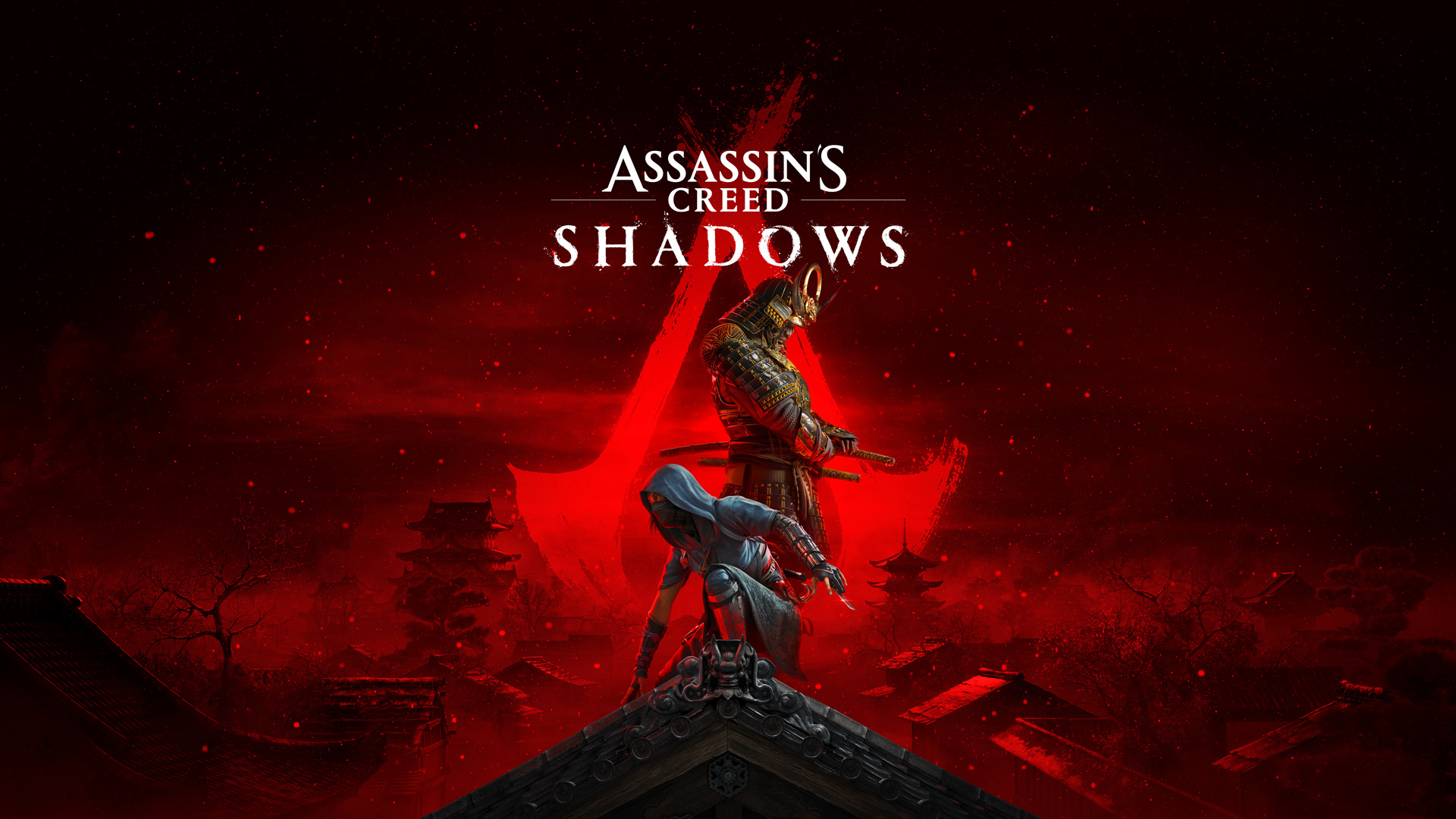
Ubisoft confirmed on July 24, 2026 that the Claws of Awaji expansion launches September 16. And buried in that announcement is something most coverage missed entirely. Awaji isn't just a scenic island backdrop. It's one of the most historically loaded pieces of geography in all of Japan, and its ties to games of chance run deeper than any AC lore document will tell you.
This isn't a DLC preview. It's about what the developers actually found when they chose this island.
Awaji Island: Japan's 'First Island' and What That Really Meant
According to the Kojiki, Japan's oldest chronicle, Awaji was the first land the gods Izanagi and Izanami pulled from the sea. The Agency for Cultural Affairs of Japan still designates it a site of foundational mythological importance. That weight matters for AC Shadows. Naoe doesn't step onto just another island. She steps onto the origin point.
But mythology aside, Awaji's Sengoku-period reality was less poetic and considerably more dangerous. The island sat at the strategic crossing between Honshu and Shikoku, making it a transit hub for traders, pirates, mercenaries, and the warlords who wanted to control all three. Where trade concentrated, gambling followed. Always.
Ban-sugoroku. A dice-and-board game imported from China through Korea, deeply established in Japan by the Heian period. Was the dominant gambling game of the era. It looked loosely like backgammon, played on a board with two dice, and it was popular enough that the Nara-period government actually banned it in 689 CE. The ban lasted about as long as most gambling bans do. By the Sengoku period, sugoroku and its variants were everywhere along trade routes. A crossroads island like Awaji would have been thick with it.
The same era saw Portuguese traders arrive in Japan around 1543, carrying European playing cards. Those cards were banned too, eventually. Which gave rise to hanafuda, the flower-card game Japan developed specifically to evade the prohibition. As the Lam Museum of Anthropology at Wake Forest University documents, hanafuda's origin is a direct product of mid-16th-century Japan trying to keep gambling alive under official suppression. That's the exact period Naoe inhabits.
This is why the Awaji setting isn't accidental. Ubisoft picked a location saturated with the tension between official prohibition and underground play. And that tension is, quietly, one of AC Shadows' core mechanical themes.
The Risk-Versus-Skill Loop That AC Shadows Keeps Coming Back To
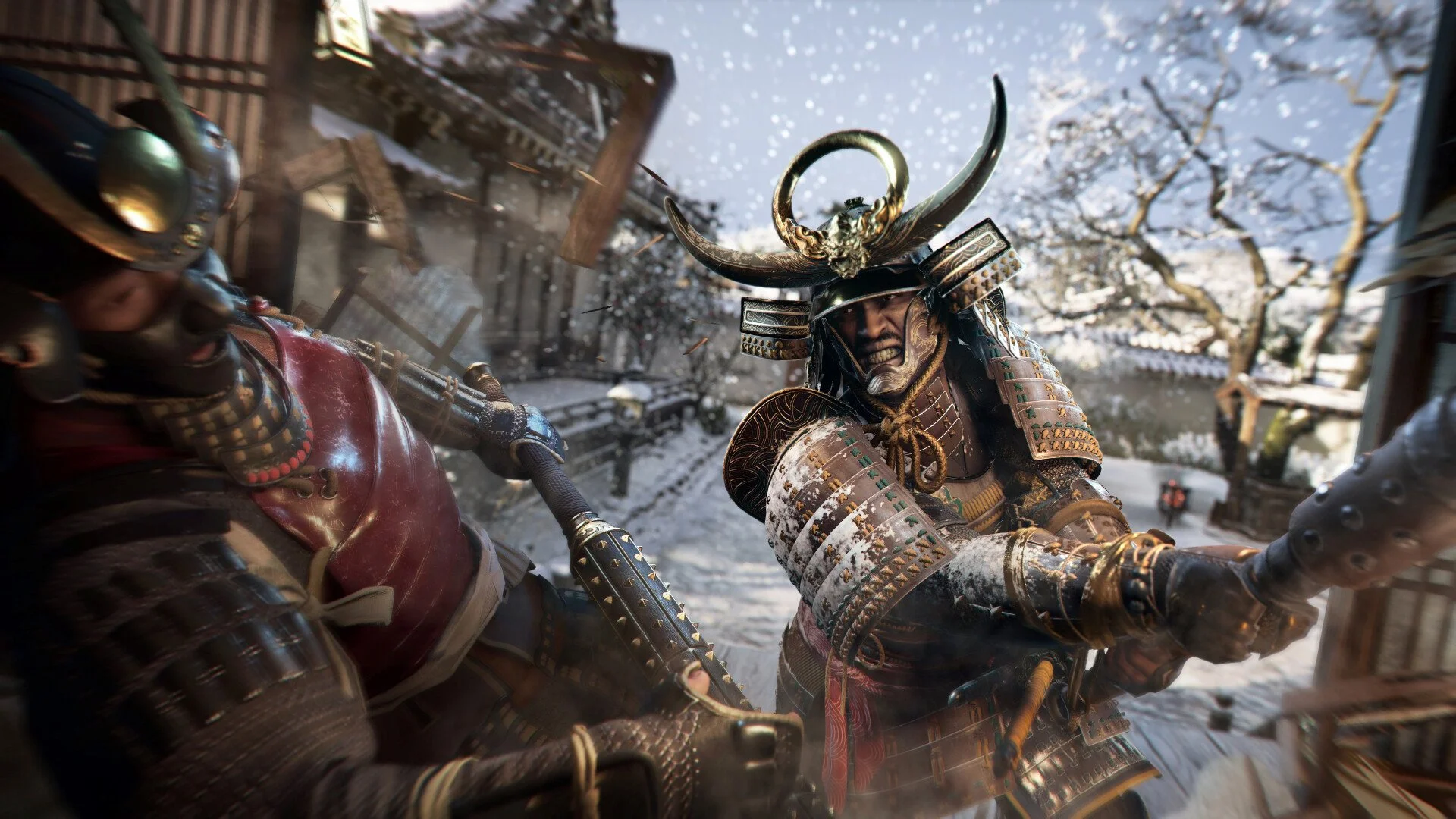
Naoe's stealth gameplay is a constant negotiation between calculated risk and improvised reaction. Do you hold the corner or move now? Take the guard out or let him pass? Every approach feels like a probability tree you're solving in real time.
That loop isn't accidental either. The Assassin's Creed series has always been drawn to historical settings where systems of power are contested and where the individual has to read uncertainty. Ancient Egypt under Roman occupation, Revolutionary Paris, colonial Boston. Awaji during the late Sengoku period fits that template exactly. The warlords controlling the island's sea lanes weren't just military powers; they were arbiters of what moved, when, and at what cost. Every merchant, every spy, every ronin passing through was making a bet.
The same risk-versus-skill decision structure that Naoe faces has a modern regulated equivalent worth understanding. For readers curious about where that psychological tension plays out in real-money gaming today, northeasttimes.com's recommended California gambling sites breaks down the licensed platforms where California residents can engage that same impulse legally and safely.
Gambling involves risk. Play responsibly and only wager what you can afford to lose. If gambling becomes a problem, visit BeGambleAware.org.
What Ubisoft Gets Right (and Where the Historical Debate Gets Complicated)
The South China Morning Post's coverage of the AC Shadows historical accuracy controversy documented genuine friction in 2025. Some Japanese critics felt the game's portrayal of 16th-century culture flattened regional distinctions and leaned on a tourist-friendly version of the period rather than a scholarly one.
Fair point. But Awaji is a different case.
The island's actual Sengoku history is so specific, so dense with named actors and real events, that Ubisoft had very little room to romanticize it without those details showing. The Miyoshi clan controlled Awaji for much of the mid-16th century. Awa Province pirates operated in the surrounding straits. The island changed hands multiple times between 1570 and 1600 as the unification campaigns of Oda Nobunaga and later Toyotomi Hideyoshi reshaped western Japan. These aren't background color. They're a historical record Naoe's storyline has to reckon with, not gloss over.
Ubisoft's creative director Clément Prevot said in interviews that the team spent over a year in Japan consulting local historians for the base game. Whether that rigor extends fully to the Claws of Awaji expansion is something we won't know until September 16. But the location choice alone suggests someone on the writing team did their homework.
Why Gambling History Makes Better Game Design Than It Gets Credit For
Games about risk are more interesting when they're set somewhere risk was culturally organized. That's the underlying logic here.
Ban-sugoroku wasn't just entertainment. It was a social technology. In a period without reliable credit or contract enforcement, a high-stakes dice game at a waystation was sometimes how debts were settled, alliances were tested, and dominance was performed without anyone drawing a blade. Losing at sugoroku to a regional lord wasn't just losing money. It was a statement about position.
AC Shadows hasn't explicitly built sugoroku into its mechanics. There's no confirmation of a gambling minigame in the Awaji expansion yet. But the designers don't need one. The historical resonance is already baked into the setting. Every negotiation Naoe conducts on the island, every risk she weighs in a camp full of suspicious soldiers, carries that cultural undertone if you know to look for it.
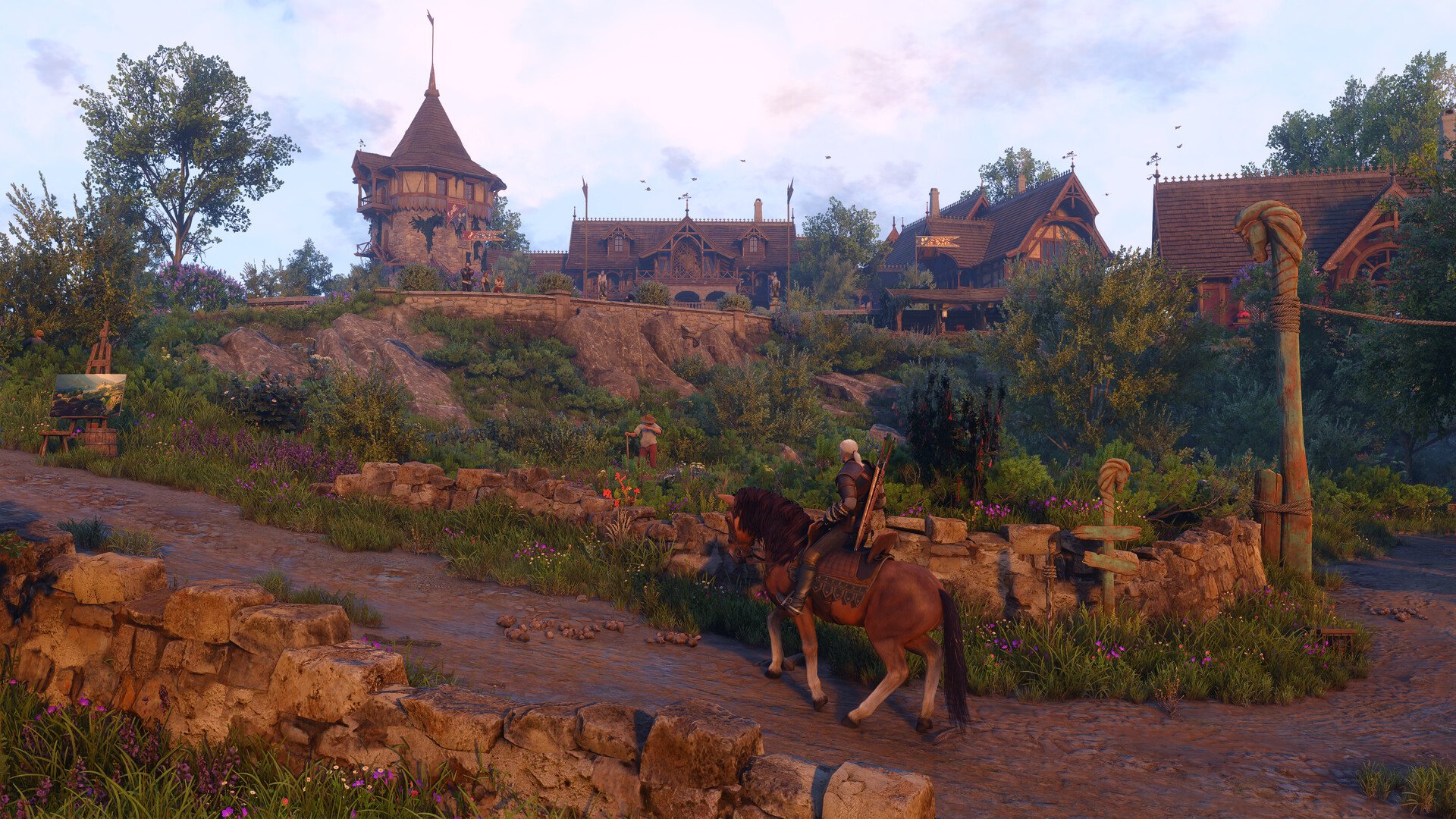
For comparison, think about how The Witcher 3's Gwent worked. Gwent wasn't just a minigame bolted onto the open world. It was a piece of Northern Kingdoms culture, played by guards, merchants, and nobles, and it told you something real about how people in that world related to each other across class lines. Awaji's gambling history has exactly that kind of potential. Whether Claws of Awaji uses it fully is the open question.
GameTyrant's own piece on why free-to-play gaming became more popular than actual gambling touches on a related thread. The psychology of risk and reward in gaming is something the industry has been quietly studying for years, and historical games set in gambling-rich environments tend to engage it more honestly than most.
The September 16 Expansion and What to Watch For
New Game Plus arrives July 29, 2026. That's the immediate priority for players finishing the base game. But September 16 is the date that matters for the cultural argument here.
A few things worth watching in the Claws of Awaji coverage once review embargoes lift:
Does the expansion address the island's maritime trade culture, or does it treat Awaji as generic rural Japan?
Are there any named historical figures from the Miyoshi or Awa pirate networks? Named entities anchor historical games. Their absence is always noticeable.
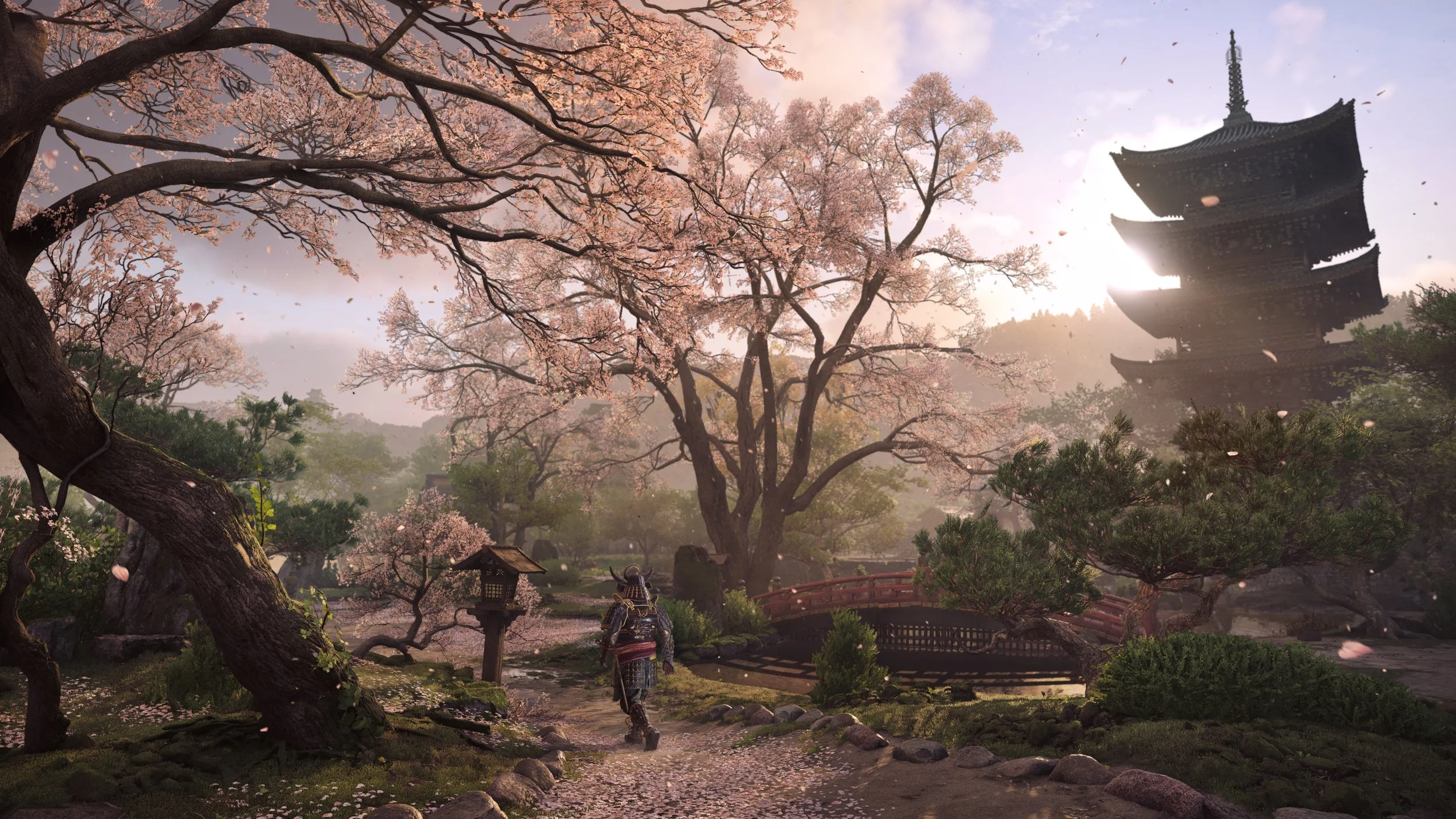
What does the environmental design do with the coastline? Awaji's straits were the whole point strategically. A game that keeps Naoe in inland forests misses the island's actual significance.
Any gambling-adjacent mechanics, even informal ones? Dice, cards, or wager-based NPC interactions would be a direct nod to the historical record.
Ubisoft has a track record of layering historical detail into environments that most players walk past without reading. Awaji gives them richer material than almost any previous AC location. The question is always whether the game surfaces it or buries it in optional codex entries.
FAQ
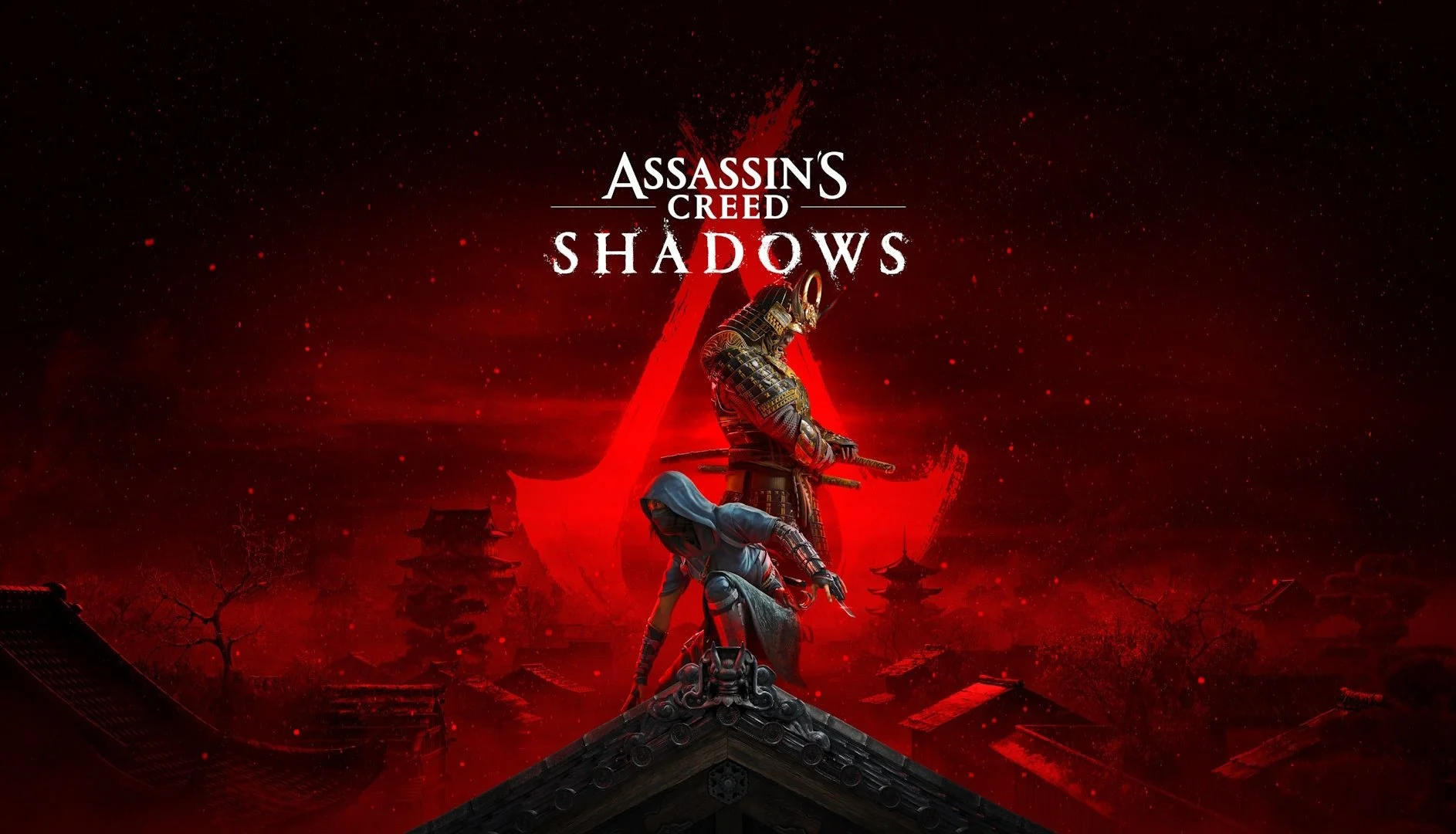
What is the Claws of Awaji expansion for Assassin's Creed Shadows? Claws of Awaji is the first story expansion for AC Shadows, confirmed for September 16, 2026. It sends protagonist Naoe to Awaji Island, a historically significant location in Japan's Seto Inland Sea, to pursue a new storyline. New Game Plus for the base game launches first, on July 29, 2026.
What is ban-sugoroku, and how is it connected to Awaji Island? Ban-sugoroku is a dice-and-board game with origins in Chinese liubo, played widely in Japan from the Heian period onward. Trade-route hubs like Awaji Island during the Sengoku era were natural hotspots for it. Anywhere merchants, mercenaries, and warlords gathered, sugoroku followed. The government banned it as early as 689 CE with limited effect.
How historically accurate is Assassin's Creed Shadows' portrayal of 16th-century Japan? It's contested. The base game drew criticism in Japan for some cultural generalizations, but Ubisoft's team did consult local historians during development. Awaji specifically has a dense, well-documented Sengoku history involving the Miyoshi clan and Awa Province sea routes. Enough named historical record to hold the game's portrayal accountable.
Why did Ubisoft choose Awaji Island for the first Shadows expansion? Awaji occupies a unique place in Japanese myth and history. It's named in the Kojiki as the first island created by the gods, and in the Sengoku period it was a key strategic crossing between Honshu and Shikoku. That combination of mythological weight and real military-political stakes fits exactly the kind of layered historical setting the AC series gravitates toward.
Where does hanafuda fit into Sengoku-era gambling history? Hanafuda emerged from a 16th-century workaround. When Portuguese playing cards arrived around 1543 and authorities began banning them, Japanese players developed flower-card decks with no suit numbers. Making them harder to classify as gambling instruments. The result became one of Japan's enduring traditional card games, later popularized globally by Nintendo.
---
Gambling involves risk. Please play responsibly and only wager what you can afford to lose. If you feel gambling is becoming a problem, visit BeGambleAware.org or call 1-800-GAMBLER.