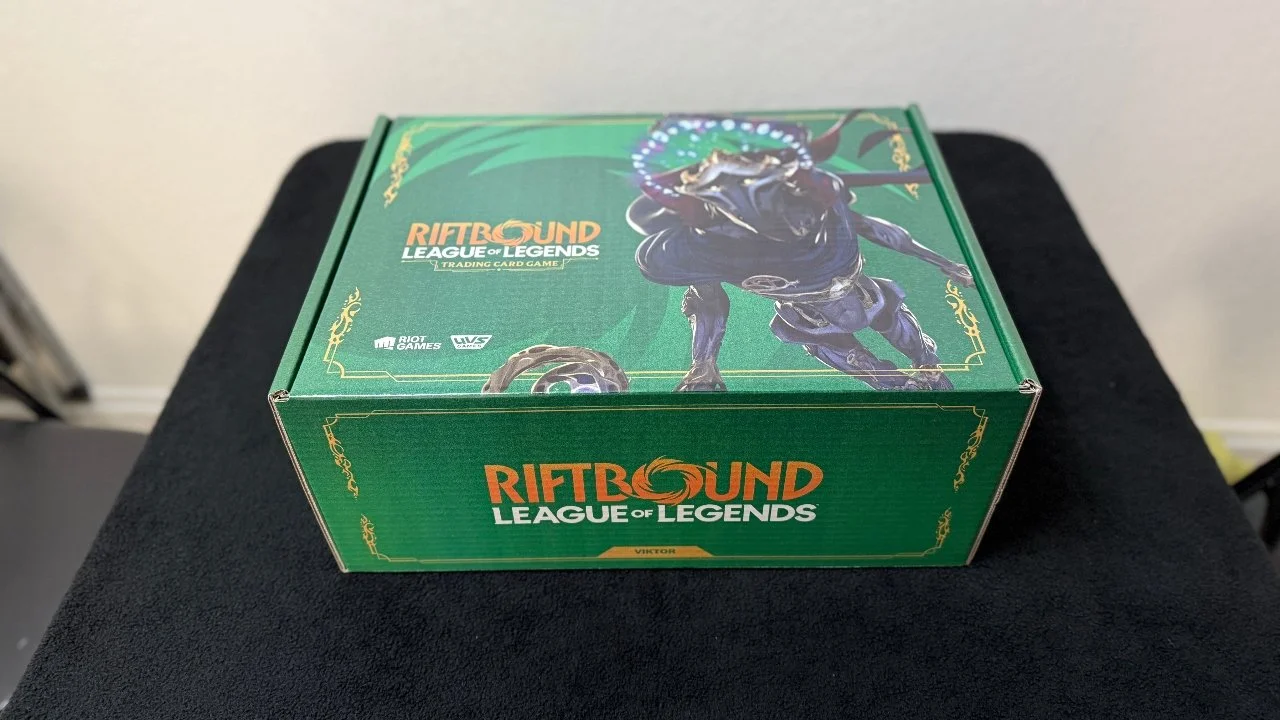
If you haven’t heard of Riftbound yet, it’s Riot Games’ latest venture, a physical trading card game set in the League of Legends universe. I had the opportunity to attend the Riftbound Summit this past May (you can read more about that experience [here]), where we got an early look at updated gameplay mechanics and the first steps in deck building.
In this article, I’ll walk you through how I built my very first deck: a spell-slinging Kai’Sa build. Keep in mind, not all the cards have been revealed yet, nor have I seen all the cards. This is simply the deck I built with the cards available when we were given the opportunity.
Let’s dive into building a Riftbound deck.
Playing Riftbound
Before you start building a deck, it’s important to understand how Riftbound works. The goal of the game is to be the first player to reach eight points (eleven in 2v2). You score points by conquering battlefields, which are a set of pre-selected cards that serve as interactive zones for each player.
You gain a point either by conquering a battlefield or by holding one, meaning you start your turn with control of it. Sounds simple enough, right? But there’s a twist: that final, game-winning point can’t be earned through conquest alone. To claim your eighth point, you’ll either need to hold a battlefield at the start of your turn or conquer all battlefields in a single turn. If you only conquer one and don’t meet either of those conditions, you’ll just draw a card instead of scoring.
On your turn, you’ll be able to play cards, such as units, spells, and gear, provided you can afford their costs. Understanding resources is easy: in the top left corner of each card, you’ll see a number indicating how many unspent runes you need to exhaust, and below that, a colored symbol showing how many resources (and what color) you’ll need to recycle to play the card.
The deck I’m building for this article focuses on minimizing the recycling cost so you can maximize the number of spells you play each turn. During each turn, you can also move any readied units to the battlefield to conquer or engage in a showdown.
That covers the basics! I’ll go into more detail in a future article, but for now, let’s jump into deck building.
Building a Riftbound Deck
Before we get to the decklist, it’s important to understand how deck building works in the Riftbound TCG. A standard deck includes at least 40 cards, a Champion Legend unit, a 12-card rune deck, and 1 to 3 battlefield cards depending on the game mode. When building your deck, keep in mind that every card must match one (or both) of your Champion Legend’s colors. You’re allowed up to three copies of any same-named card—except your Legend, since that card doesn’t go into the deck itself. For example, if you choose Jinx as your Champion, you can include three copies of Jinx, Demolitionist and three copies of Jinx, Rebel, because they’re considered separate cards by name.
With the basics out of the way, let’s talk about my approach to building a Spell-Slinging Kai’Sa deck. This was actually my first time playing Riftbound, and while I wouldn’t call myself a top-tier player, I did manage to go 2-1 with this list!
Kai’Sa, Daughter of the Void

Kai’Sa is a Red/Blue Champion with the activated ability: Exhaust as a Reaction – Add (any color). Use only to play spells.
At first glance, it might not sound like the strongest ability, but stick with me. The entire goal of this deck is to sling spells, and Kai’Sa’s ability is perfect for fueling that strategy.
Rune Deck & Battlefield Setup
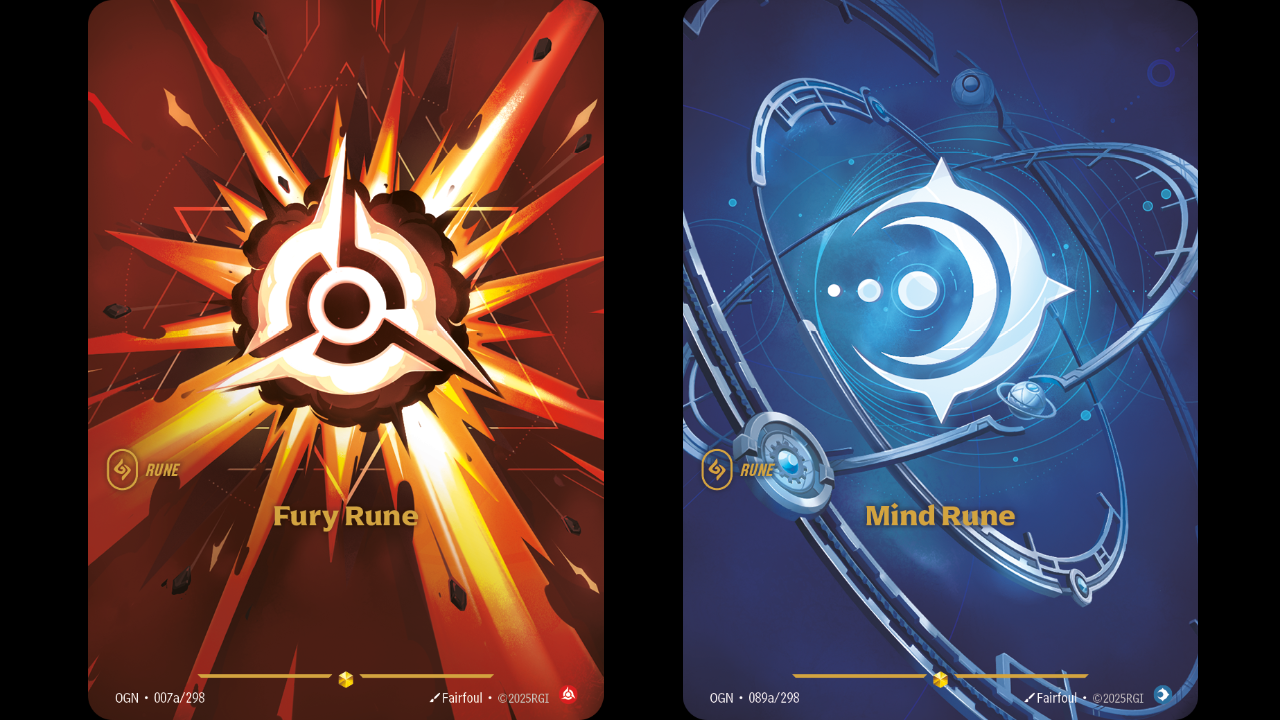
When it comes to the rune deck, I kept it simple: six red and six blue. Down the line, you might find yourself leaning more heavily into one color depending on card preferences, but with the current build, an even split works just fine. And with the right draws, the color balance won't even matter.
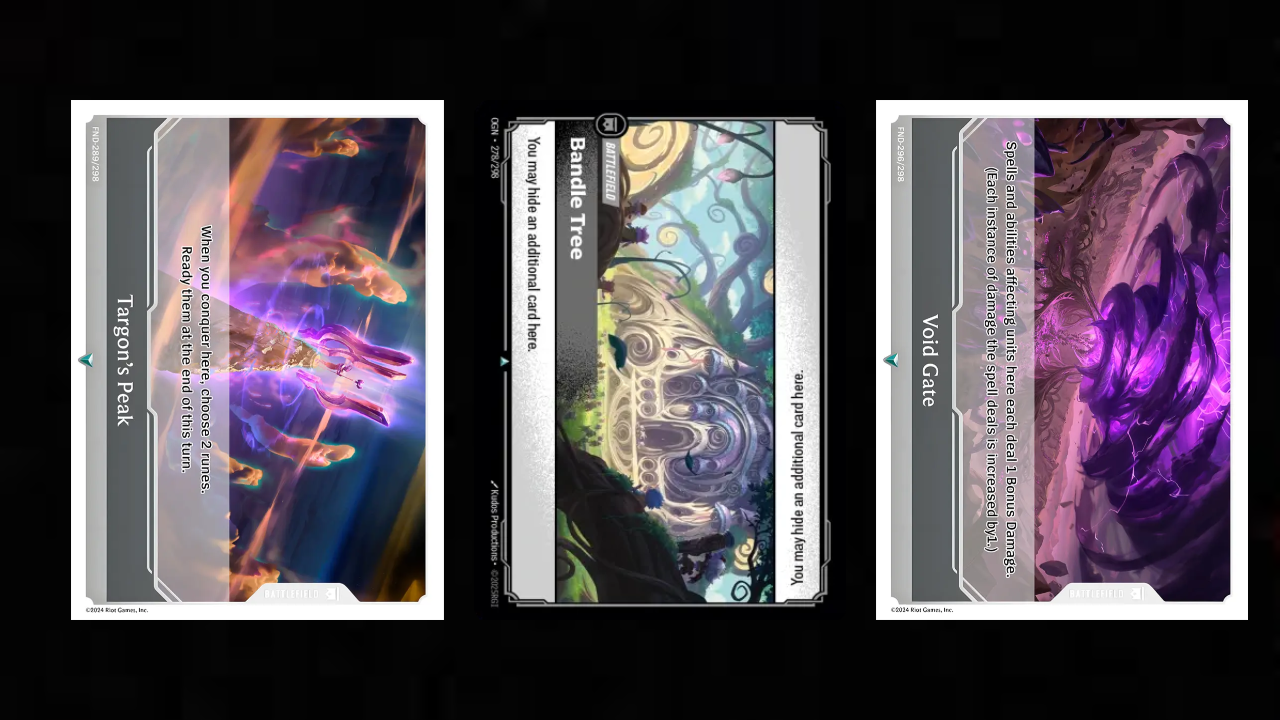
For battlefields in 1v1 or FFA, I recommend Targon’s Peak or Void Gate, depending on your preferred playstyle. Personally, I lean toward Targon’s Peak—it readies two runes at the end of your turn, giving you the ability to hold up resources for your opponent’s next move. Void Gate adds bonus damage to your spells, which is great for aggressive plays, but I find the consistent resource refresh from Targon’s Peak to be more valuable in a reactive spell-based deck.
In a Best-of-3 setting, where you bring three battlefields and use a different one each round, I go with:
Bandle Tree – lets you hide an extra card at a battlefield (great against decks with bigger units).
Targon’s Peak – for mid-game flexibility and control.
Void Gate – if it goes to Game 3, time to turn up the heat with bonus damage.
Deck List & Core Strategy
Legend Champion: Kai’Sa, Daughter of the Void
Units:
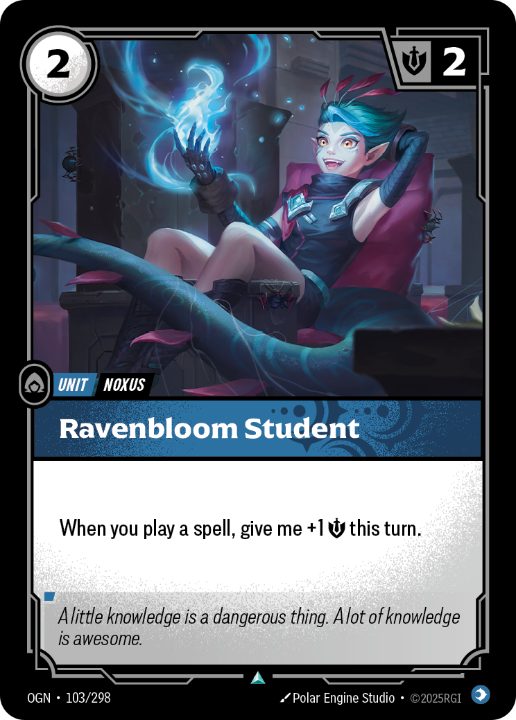
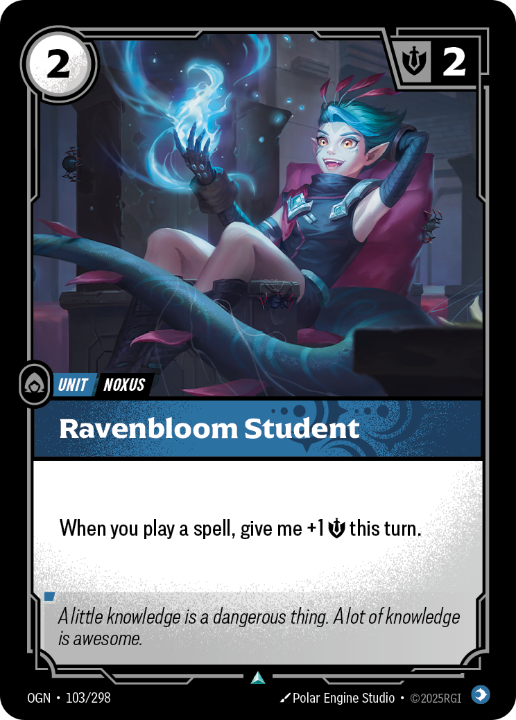
Ravenbloom Student x2
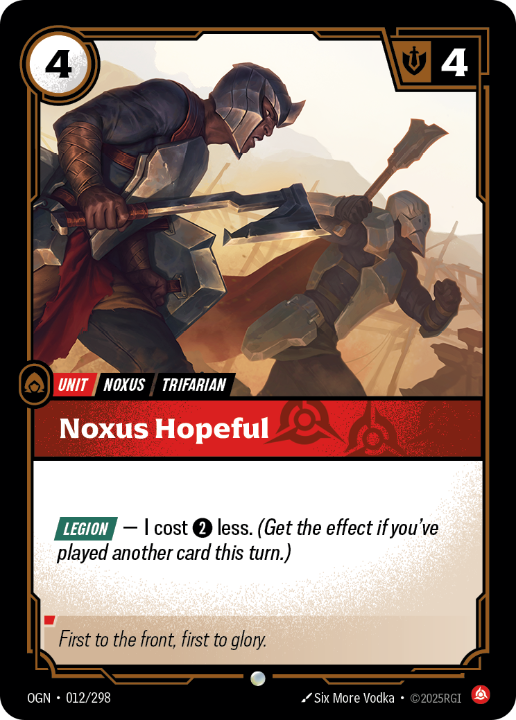
Noxious Hopeful x3
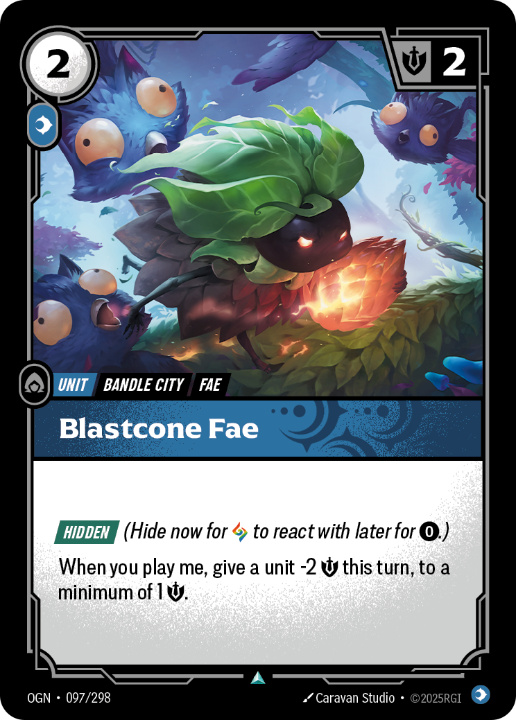
Blastcone Fae x3
Immortal Phoenix x3
Eager Apprentice x2
Champion Units:
Kai’Sa, Evolutionary x3
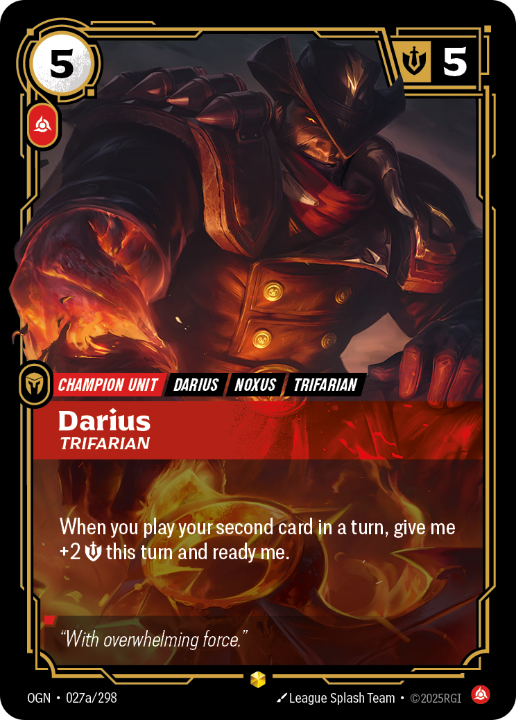
Darius x3
Heimerdinger, Inventor x2
Dr. Mundo (not revealed yet) x2

Spells:
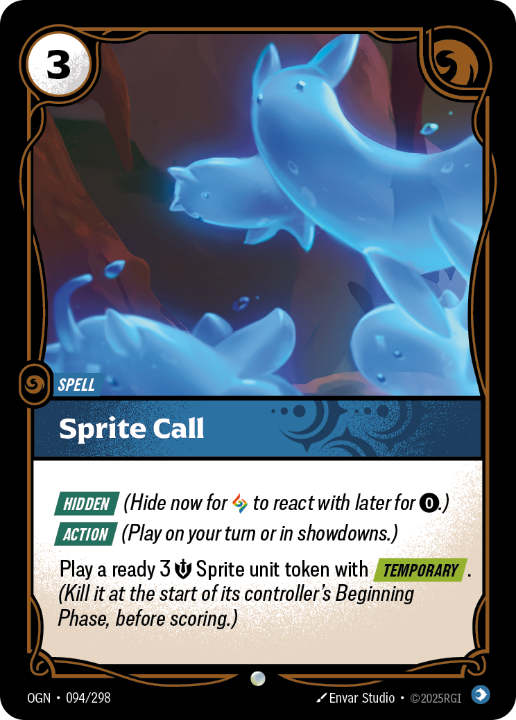
Sprite Call x2
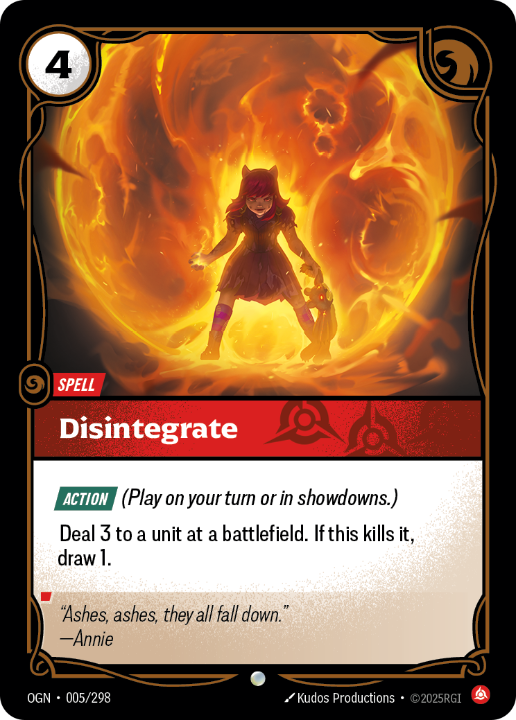
Disintegrate x3
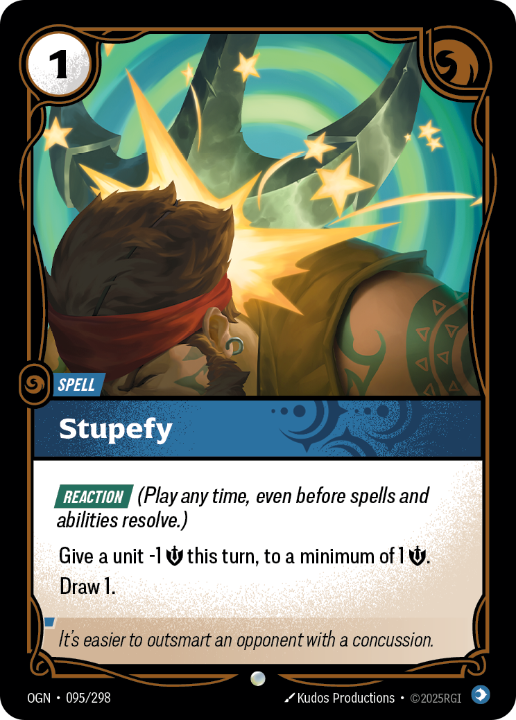
Stupify x3
Void Seeker x3
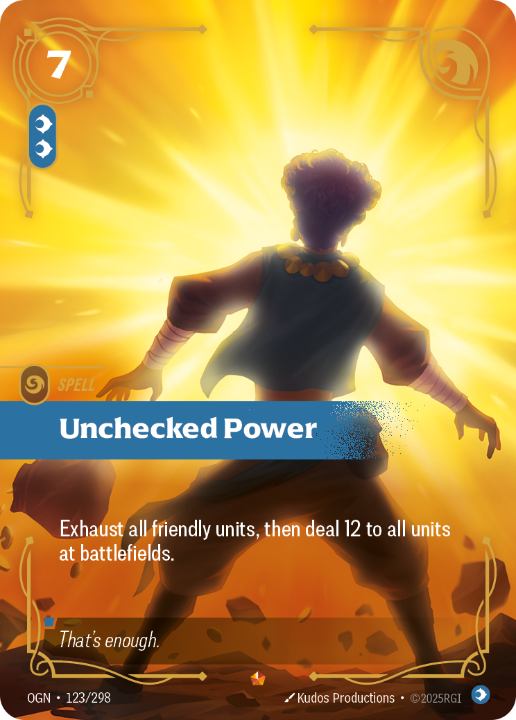
Unchecked Power x1
Gear:
Seal of Insight x2
Seal of Rage x2
Mushroom Pouch x1
Garbage Grabber x1
Let’s break it down.
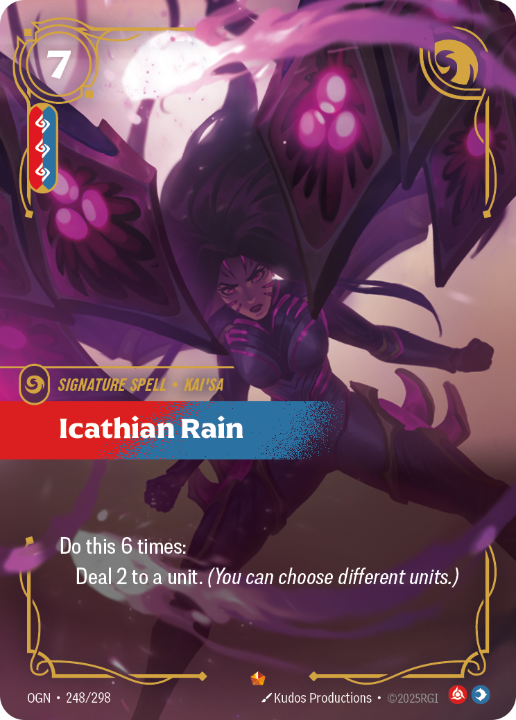
Each Legend comes with a signature spell that supports their playstyle. For Kai’Sa, it’s Ichthian Rain—an expensive but powerful board wipe. Since this deck isn’t focused on units, having a spell that clears the board can swing the momentum back in your favor.
Red Spells
These are all about quick impact and card draw:
Void Seeker and Disintegrate deal damage and draw cards.
Card draw isn’t just about hand advantage—it lets you bluff. Your opponent will always wonder: “Do they have an answer?”
Blue Spells
These are focused on protection and trickery:
Sprite Call lets you hide it at a battlefield and summon a 3-might spirit when needed.
Stupify is a reaction spell that you can cast in a pinch to disrupt your opponent’s turn.
Unchecked Power is another board wipe option if things start slipping out of control.
Gear Choices
Gear cards aren’t useful in every deck—but they shine here because this deck thrives on reusable effects.
Seal of Rage & Seal of Insight: These let you bypass recycle costs, which is huge. Combine these with Kai’Sa or Heimerdinger for quick ramping and big turns.
Mushroom Pouch: More card draw to keep up the pressure.
Garbage Grabber: Exhaust it to recycle 3 cards from your trash to the bottom of your deck. It’s not infinite recursion, but in long games or high-draw scenarios, those cards will cycle back eventually.
Unit Breakdown
While this is a spell-heavy deck, the units here serve very specific roles:
Darius: Readies and gets +2 Might when you play a second card in a turn. Great for battlefield control.
Ravenbloom Student: Gains +1 Might for every spell you play. Both scale with your playstyle—more spells = stronger units.
Eager Apprentice: Helps with rune management and smooths out your turns.
Heimerdinger: Steals exhaust abilities from your other cards. With seals or Garbage Grabber in play, he becomes an all-purpose utility engine.
Then we’ve got the trash-value cards:
Kai’Sa, Evolutionary: Whenever she conquers a battlefield, you can cast a spell from your trash for free—as long as its cost is ≤ your current points. Big payoff with the right timing.
Dr. Mundo (not yet revealed, but I got to use him at the Riftbound Summit!): He scales based on how full your trash is, but since you recycle each turn, he’s a bit of a ticking bomb. I saved him as a closer—he’s devastating when your deck is nearly spent.
Immortal Phoenix: Basically here to ensure you always have a unit to play, keeping your field from going empty.
Noxious Hopeful: Honestly, the most expendable unit. I almost cut it, but its discount when you've already played a card gives it just enough utility to stick around.
Gameplan Summary
This deck lives and dies by its spells. If you draw well and get your Seals into play early, you’ll be in a great spot—ready to blast enemy units and keep the pressure on.
Ideal opening:
Get a Seal into play.
Drop Eager Apprentice or Ravenbloom Student and take control of a battlefield.
Hide spells at your battlefield and keep your opponent guessing with constant reaction plays.
With Heimerdinger, Garbage Grabber, and smart rune usage, this deck creates a bit of a snowball engine—building up your resources and card advantage turn by turn.
Let me know what deck tech or legend you want to see built next! I was thinking a Unit Protection Yasuo deck or a Stompy Volibear deck.