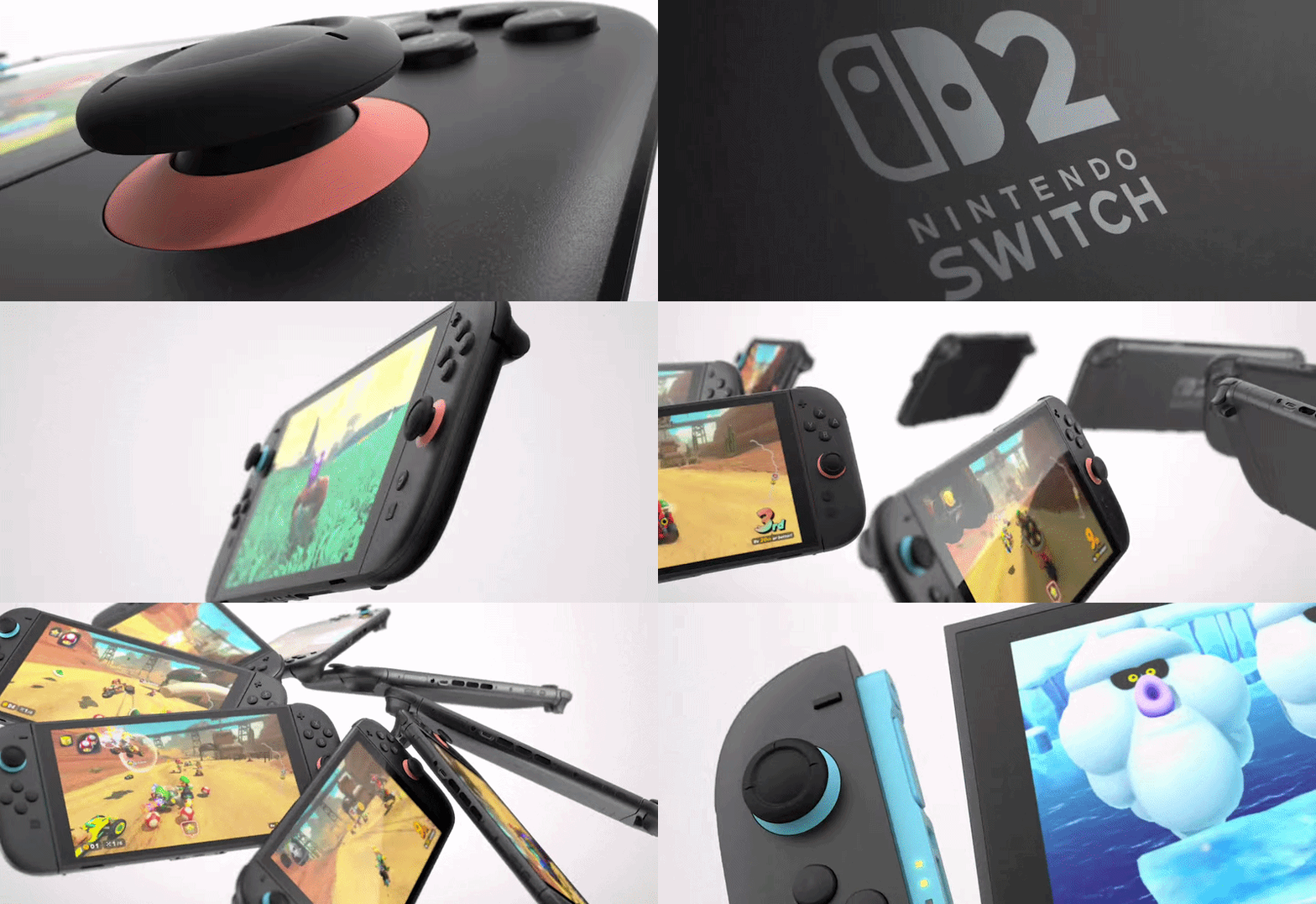
Nintendo Switch 2 exclusive games matter, but they are not enough on their own to define Nintendo’s next console generation. The stronger question is whether those exclusives show something the original Switch could not reasonably deliver: larger worlds, smoother online play, sharper presentation, better local multiplayer, more ambitious first-party design and support from studios that previously treated Nintendo hardware as a secondary platform.
That distinction is important in 2026. Switch 2 does not need dozens of exclusives to prove itself, but it does need the right exclusives. A short list can still define a console if the games feel impossible, compromised or less convincing on the older machine.
What counts as a real Nintendo Switch 2 exclusive?
Not every important Switch 2 game is a Switch 2 exclusive.
There are four categories worth separating:
| Type of game | What it means | Why it matters |
|---|---|---|
| True Switch 2 exclusive | Only playable on Nintendo Switch 2 | Strongest proof of the new hardware |
| Cross-gen game | Available on Switch and Switch 2 | Useful, but less defining |
| Switch 2 Edition or upgrade | Older Switch game with improvements | Good for value, weaker as a reason to upgrade |
| Third-party port | Previously available elsewhere | Helps the library, but rarely defines the console |
This is where some early confusion comes from. A game can be important to the Switch 2 library without being one of the Nintendo Switch 2 exclusive games that actually shape the console’s identity.
Nintendo’s own Nintendo Switch 2 system page currently highlights exclusive bundle choices such as Mario Kart World, Donkey Kong Bananza and Pokémon Pokopia. That gives the console an immediate first-party spine. But a console generation is not defined only by box art. It is defined by what those games ask the hardware to do.
The exclusives that already make the strongest case
The strongest Switch 2 exclusives are the ones that do more than carry familiar names.
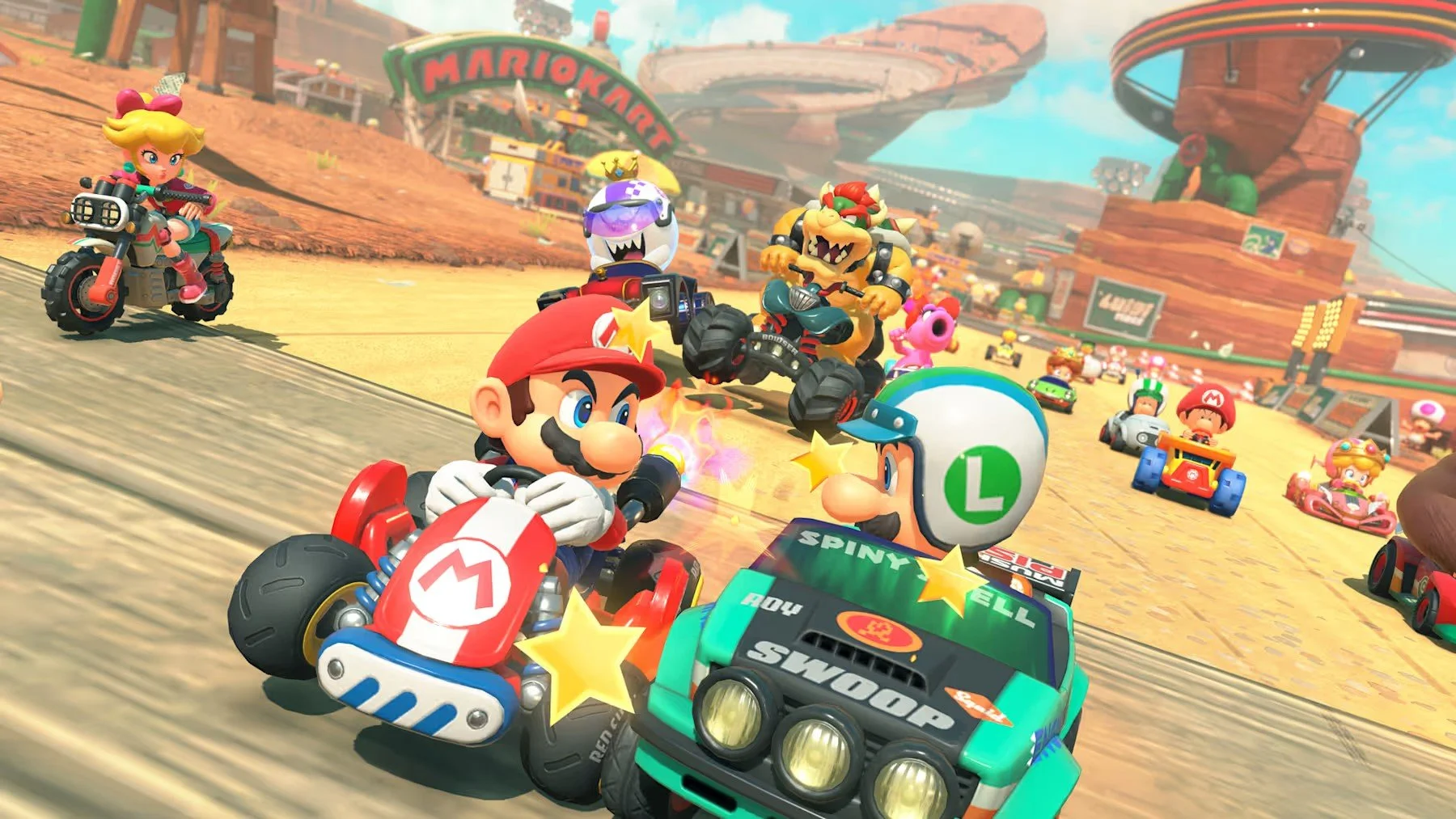
Mario Kart World is the clearest example. Mario Kart was always going to sell hardware, but the important detail is not just that it exists. It is that Nintendo is using the new console to stretch the idea of what a Mario Kart game can be: bigger races, broader online expectations and a more connected sense of place than the older track-by-track format.
That matters because Mario Kart is not a niche showcase. It is the kind of game that families, casual players, students, streamers and competitive friends all understand immediately. If Switch 2 can make Mario Kart feel meaningfully larger without losing its pick-up-and-play rhythm, that does more for the console than a technical demo ever could.
Donkey Kong Bananza makes a different argument. It is not just a returning mascot. Its appeal is physical: smashing, carving, tunneling, throwing chunks of terrain and moving through environments that react to Donkey Kong’s strength. A game like that has to feel responsive. If the destruction feels delayed or the camera struggles to keep up, the whole concept suffers.
That is the kind of exclusive that helps define hardware. It is not enough for a new Donkey Kong game to look cleaner. It has to make players feel that the character’s weight, speed and impact would have been less convincing on the older system.
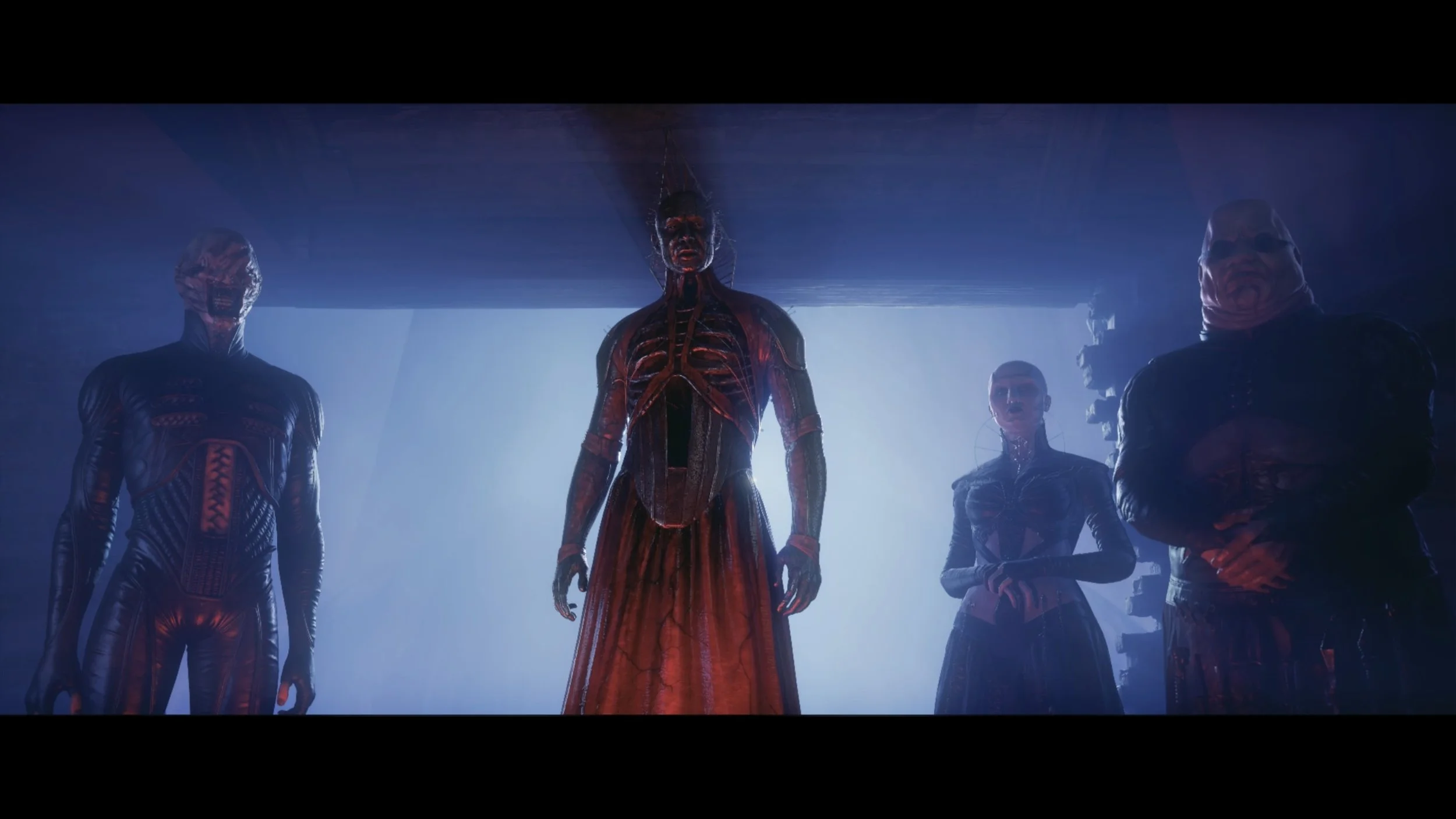
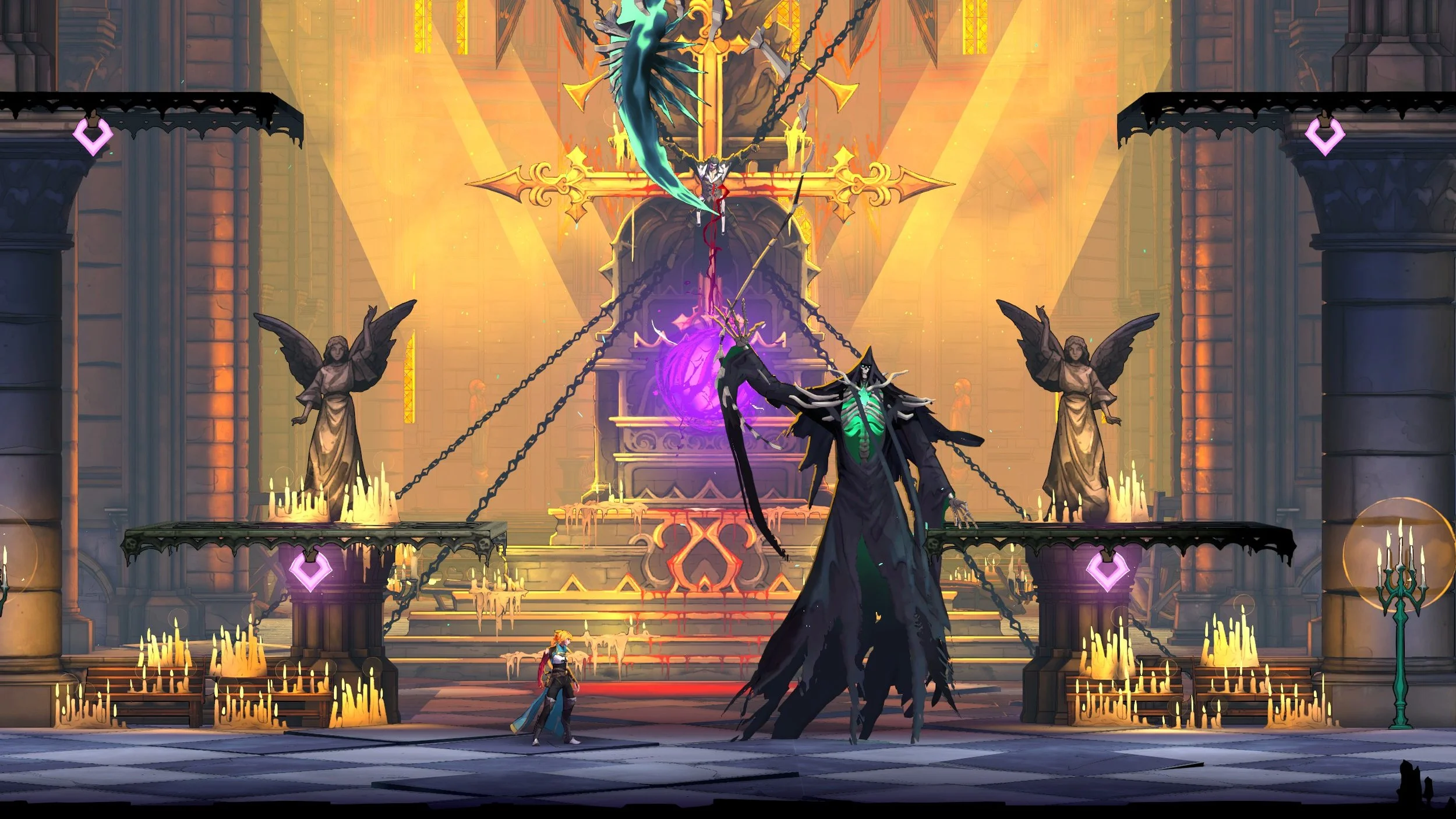
Then there is The Duskbloods, which may be even more important symbolically. A FromSoftware multiplayer action game exclusive to Switch 2 sends a different message from another Nintendo mascot release. It suggests that Switch 2 is not only a Nintendo-first machine for family and party games, but also a platform where prestige third-party projects can be built around the hardware rather than squeezed onto it later.
That does not guarantee the game will be great. It does make the exclusivity more meaningful.
The 2026 test is variety, not just big names
A good exclusive lineup needs range. If Switch 2 only had Mario Kart, Donkey Kong and a few upgraded Switch games, the argument would be weaker. Big names attract attention, but variety is what keeps a console alive after the launch-window excitement fades.
That is why the 2026 lineup matters. Games such as Splatoon Raiders, Fire Emblem: Fortune’s Weave, Pokémon Pokopia, Kirby Air Riders and The Duskbloods point in different directions: online action, strategy, life-sim comfort, arcade chaos and darker multiplayer action.
That mix is more important than the raw number of exclusives. A console with 25 exclusives that all feel like safe sequels can feel smaller than a console with 10 exclusives that each test a different part of the hardware.
The useful question is not, “How many Nintendo Switch 2 exclusive games are there?” It is:
Which ones would feel compromised on the original Switch?
Which ones make the new controllers, screen, performance or online features matter?
Which ones create new habits for players rather than just filling a release calendar?
Which ones still look interesting after the first trailer?
That is where Switch 2 has a real chance to separate itself.
Why “exclusive” is less simple than it used to be
Exclusivity used to be easier to understand. A game was either on your console or it was not. In 2026, the picture is messier.
Nintendo Switch 2 can play many original Switch games and some older games receive upgrades or improved performance. That is good for players, but it makes the identity of the new console harder to explain. If someone can play most of their old library, the new exclusives have to work harder.
That is not a bad thing. Backward compatibility protects the player’s investment. It also means Nintendo does not need to abandon the original Switch overnight. But it does create a higher standard for exclusives.
A true Switch 2 exclusive should not feel like a game that was arbitrarily blocked from older hardware. It should feel like a game designed around a new baseline.
For buyers, this matters more than marketing language. A cross-gen game can still be excellent. An upgraded older game can still be worth replaying. A third-party port can still be convenient on a hybrid console. But when people search for Nintendo Switch 2 exclusive games, they are usually asking a sharper question: “What can I only get if I buy the new machine?”
The overlooked test: does the game feel different?
Trailers are useful, but they do not answer the most important question: how does the game feel in the first five minutes?
That is especially true for Switch 2 exclusives. A game can look sharper in screenshots and still feel familiar in the hand. The better exclusives should make small differences obvious: faster loading, cleaner motion, steadier frame rate, denser environments, clearer split-screen play and online features that do not feel bolted on.
This is why demos, previews and hands-on impressions still matter. With a game like Mario Kart World, players need to feel whether larger races remain readable. With Donkey Kong Bananza, they need to feel whether smashing through terrain is fluid or fussy. With a strategy game like Fire Emblem, they need to see whether the interface stays fast when battles become more complex.
Short-session games live or die by pace. A player notices quickly whether animations drag, whether bonus rounds interrupt the flow and whether the screen is readable after a few minutes. For adults checking casino-style games before playing, a Fruit Zen demo is useful because it lets them inspect the rhythm, symbols, reel speed and bonus presentation first, rather than judging the game from screenshots alone.
The same practical point applies inside the Switch 2 library: do not judge an exclusive only by its title. Judge it by what the hardware lets it do moment to moment.
Families should judge exclusives differently from solo players
The Switch brand has always been unusually broad. One household might buy Switch 2 for Mario Kart and local multiplayer. Another might care more about Fire Emblem, Pokémon or FromSoftware. A third might be buying for children and mainly looking at safety, age ratings and spending controls.
For families, the best exclusive is not always the biggest technical showcase. It is the game that people in the house will actually replay. Mario Kart World may matter more than a darker action exclusive because it supports group play and easy rotation between players. Donkey Kong Bananza may matter because it offers a clear single-player adventure with broad appeal. Pokémon Pokopia may matter because it gives the system a slower, more relaxed reason to stay in use.
Parents should also check communication, play-time and spending controls before treating any online-heavy exclusive as a simple purchase. The ESRB’s Nintendo Switch 2 parental controls guide is a useful starting point for understanding rating restrictions, play-time limits, communication settings and purchase controls.
That is part of the exclusive-games conversation too. A console generation is not defined only by graphics or release dates. It is defined by how comfortably it fits into real homes.
Should you buy Switch 2 for exclusives right now?
The answer depends on what kind of player you are.
If you play Mario Kart regularly, Switch 2 already has a clearer case. Mario Kart World is not just another entry; it is the kind of multiplayer anchor that can shape a console’s social life for years.
If you like Nintendo platformers and character-led adventures, Donkey Kong Bananza makes the upgrade easier to justify. It gives the system a first-party exclusive that is not simply a racing game or party staple.
If you are waiting for deeper single-player or strategy reasons, the case is still developing. Fire Emblem, Splatoon Raiders and future Nintendo releases may matter more to you than the launch-era titles.
If you care about third-party ambition, The Duskbloods is the one to watch. A FromSoftware exclusive could change how some players see Nintendo hardware, especially if it feels like a full-scale project rather than a side experiment.
If you mainly want the largest possible library, exclusives are only one part of the answer. Backward compatibility, upgraded Switch games, indie support and third-party ports may matter just as much.