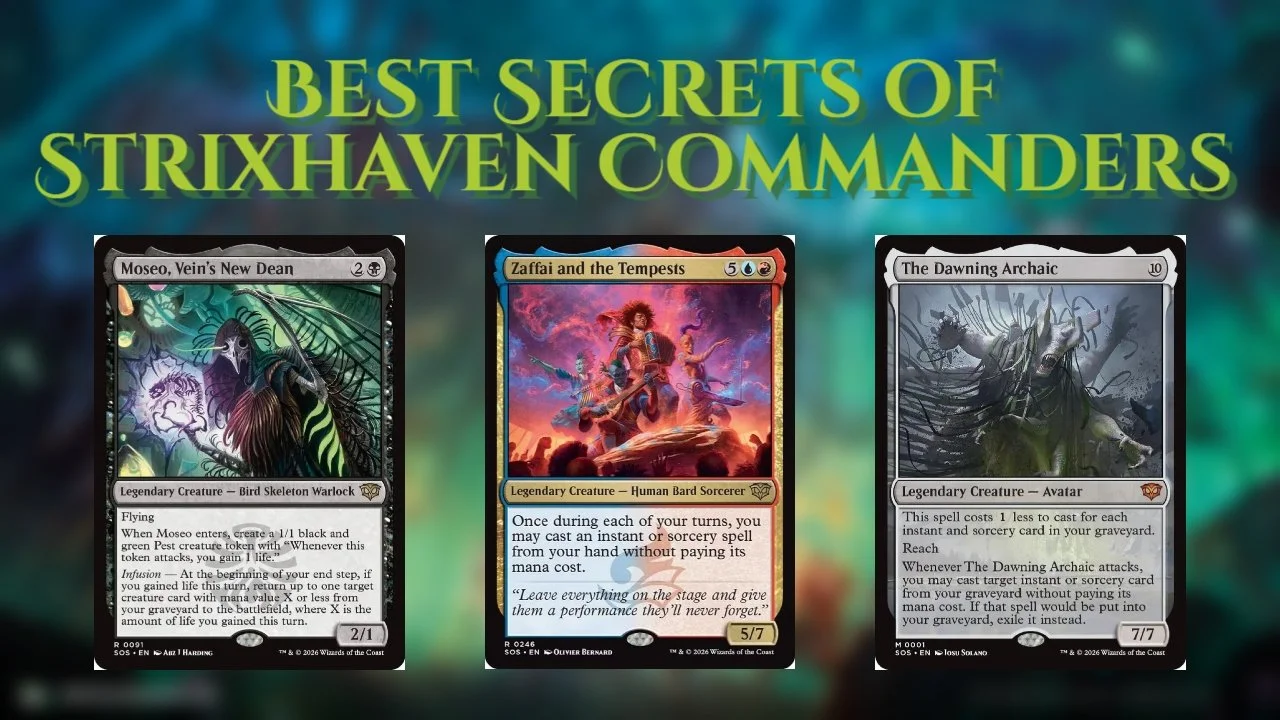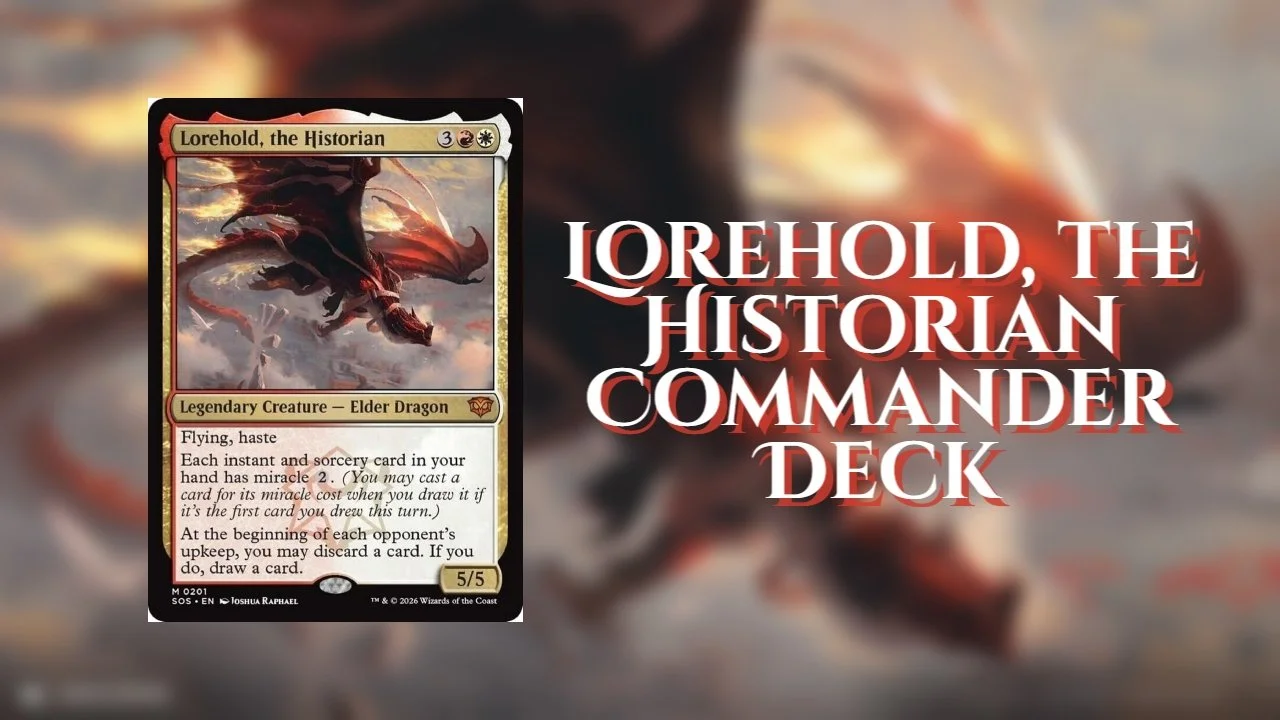
Secrets of Strixhaven is the second-to-last in-universe Magic: The Gathering set of the year, which is honestly a little sad to say out loud. That being said, the upcoming releases aren’t all bad news. The Hobbit looks promising, and even some of the Marvel Super Heroes cards look decently fun from what we’ve seen so far.
Still, what I’m most excited for next is Reality Fracture. The whole concept feels like Magic’s version of a “What If?” set, and if it sticks the landing, I think it could end up being a really fun standalone release. Even if it doesn’t become a full recurring theme, it’s the kind of creative swing I like seeing from Magic.
Before we get there, though, we have Secrets of Strixhaven, and as someone who has always enjoyed the flavor of Strixhaven, this set really worked for me. It feels like a return to something that is very distinctly Magic. The mechanics, the worldbuilding, the card designs, and the Commander decks all come together in a way that makes this feel like a love letter to longtime fans.
What Is Secrets of Strixhaven?

Secrets of Strixhaven marks our return to Magic’s very own school of magic. The set takes us back to the plane of Arcavios, home to the five colleges of Strixhaven: Silverquill, Prismari, Witherbloom, Quandrix, and Lorehold. Each school has its own personality, playstyle, and visual identity, and that’s always been one of the strongest parts of Strixhaven as a setting.
Silverquill is stylish, sharp, and political. Prismari is explosive, expressive, and theatrical. Witherbloom taps into life, death, and the messy balance between the two. Quandrix turns math into magic, while Lorehold digs through history, spirits, and ancient knowledge. The colleges are distinct enough that every player can usually find one that feels like “their” school.
This set also serves as the culmination of the long-running three-year Metronome Arc. While it isn’t technically the finale, it is the lead-in to the final set, Reality Fracture, and you can feel that throughout the card designs and story direction. There is a sense that something bigger is coming, but Secrets of Strixhaven still manages to stand on its own.
More than anything, this set reminded me why I like in-universe Magic so much. Universes Beyond can be fun, and I’ve defended those releases plenty of times, but there’s something special about coming back to a plane that belongs entirely to Magic. Strixhaven has always had a lot of untapped potential, and after playing with this set, I’d love to see Wizards return to it again in the future.
Key Mechanics In Secrets of Strixhaven
Part of what makes this set feel so special is the way the mechanics are built around the school setting. They feel very “Magic school” coded, mostly because they encourage spell casting, learning, preparation, and clever sequencing rather than simply focusing on creature combat. That already gives the set a different feel from some of the more creature-heavy Universes Beyond releases we’ve seen recently.
Each of the five schools has its own mechanic based on what that college studies: Flashback, Increment, Infusion, Opus, and Repartee. On top of that, the set also introduces three mechanics that aren’t tied to a specific school: Converge, Prepared, and Paradigm.
Some of these mechanics are clearly stronger than others, but overall, I think the set does a great job of making every college feel mechanically distinct.
Converge
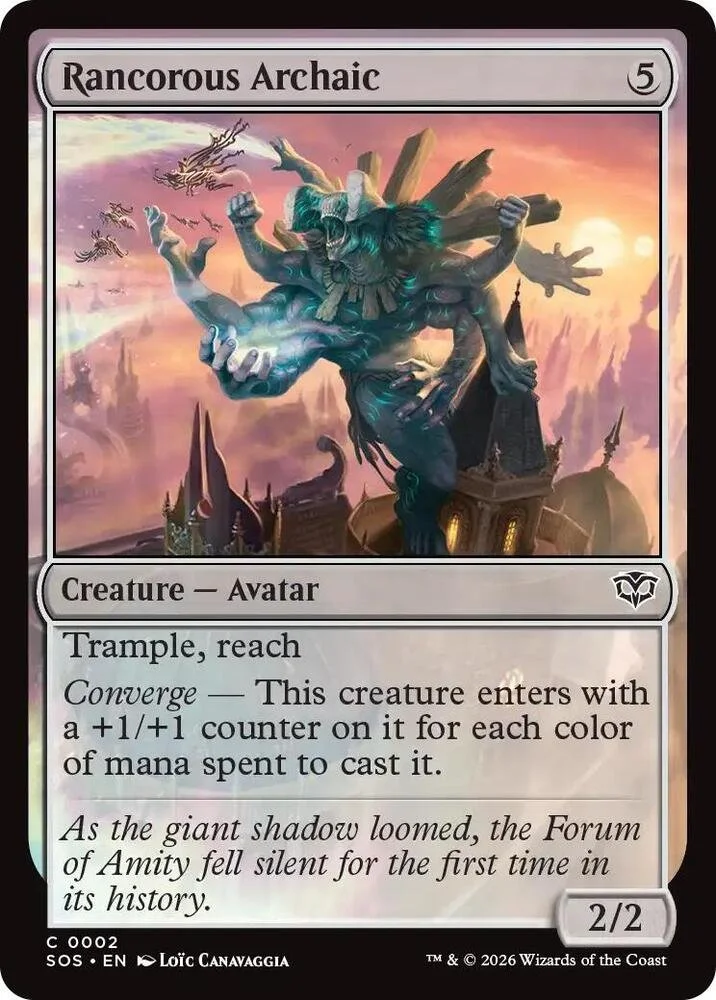
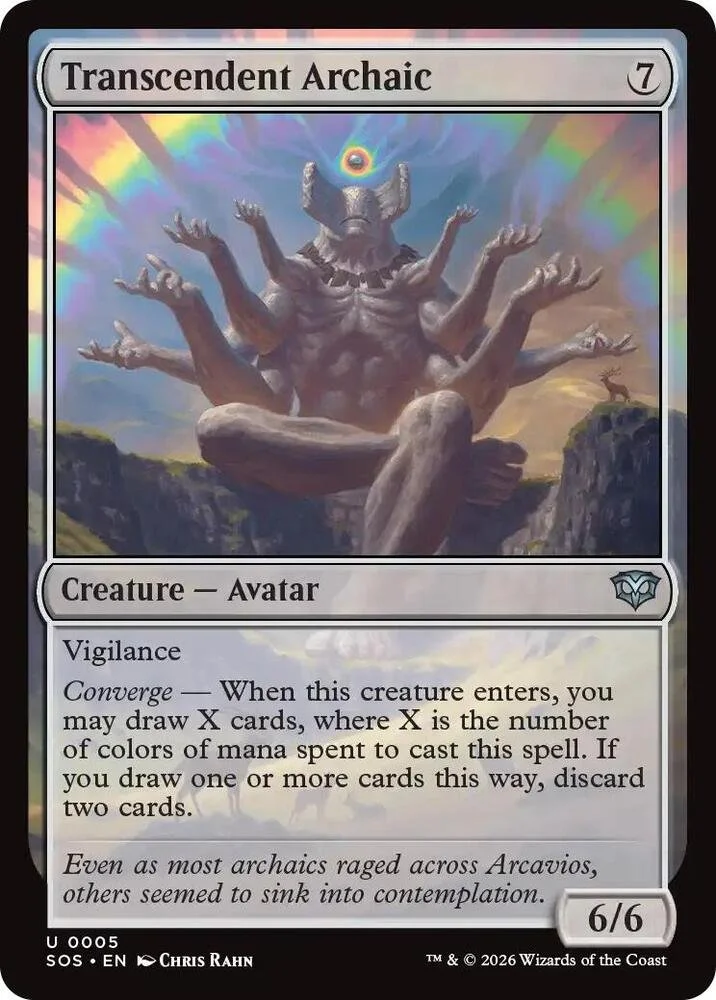
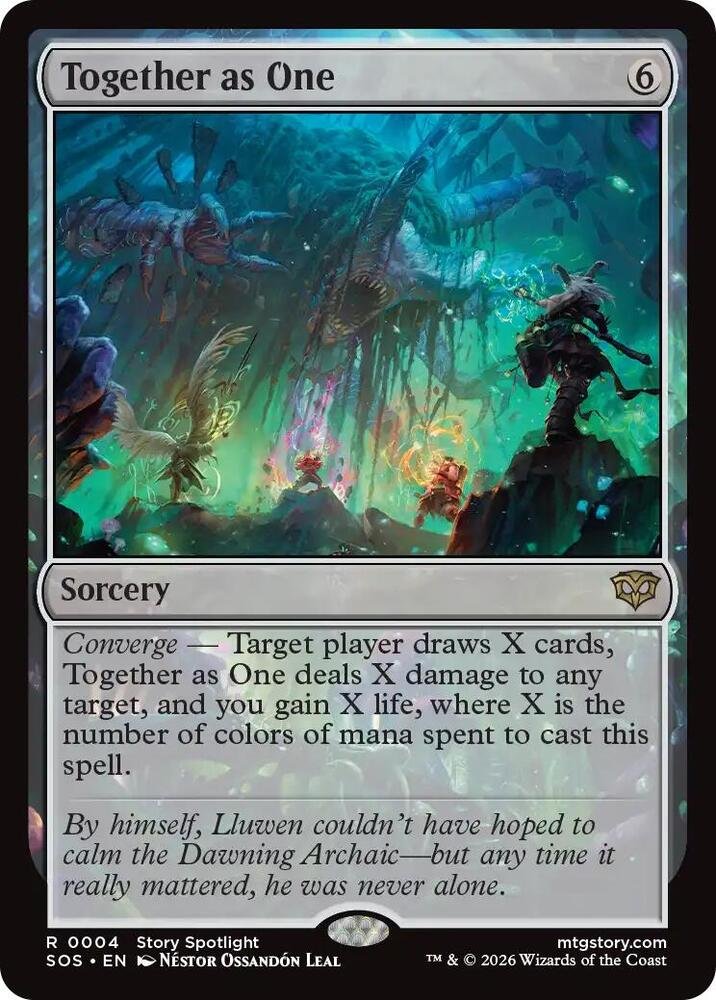
Converge is not a major mechanic in this set. In fact, it only appears on a handful of cards, mostly the Archaics. Spells with Converge care about how many colors of mana were spent to cast them, which means the more colors you use, the more value you can potentially get.
Since Secrets of Strixhaven is primarily a two-color focused set, Converge doesn’t always feel like the strongest mechanic in the main environment. It feels more like a Limited tool or a mechanic meant to support decks that are stretching into three or more colors.
That isn’t necessarily a bad thing, though. I actually like that Converge exists as a smaller piece of the set rather than one of the main pillars. It gives certain cards some extra texture, and it rewards players who want to build outside the strict two-color school pairings. It may not define the set, but it gives deck builders something extra to think about.
Prepared
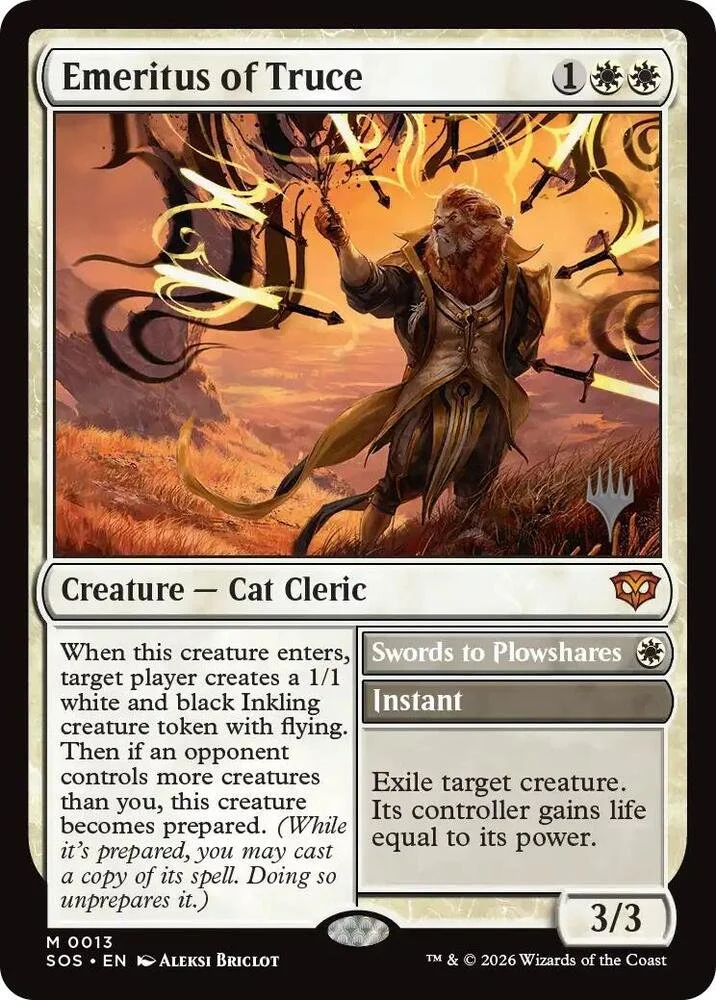
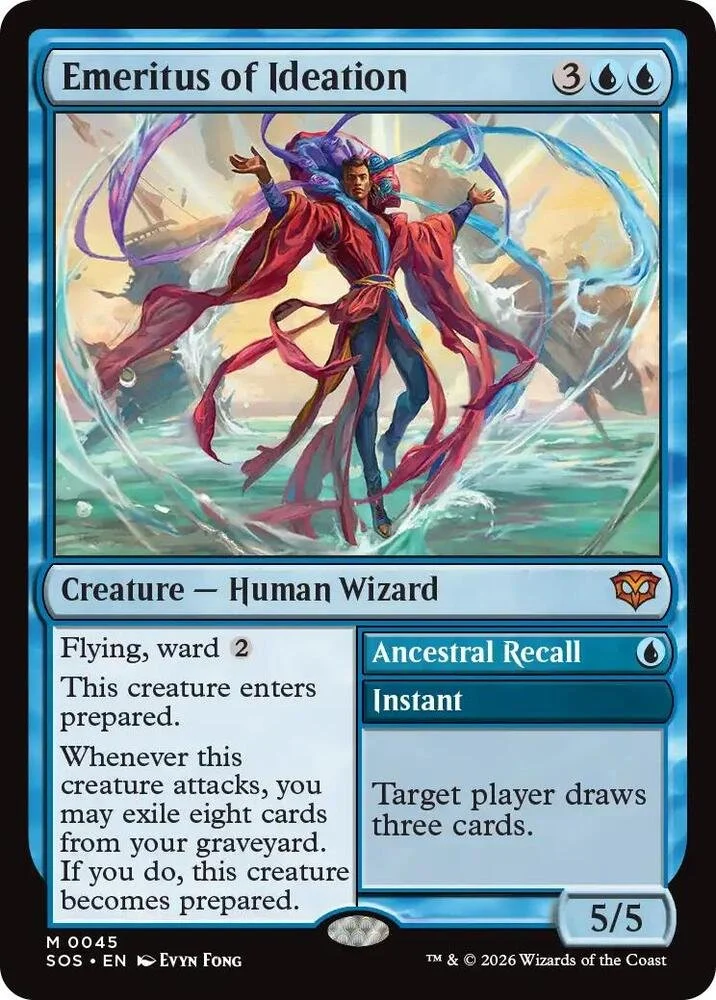
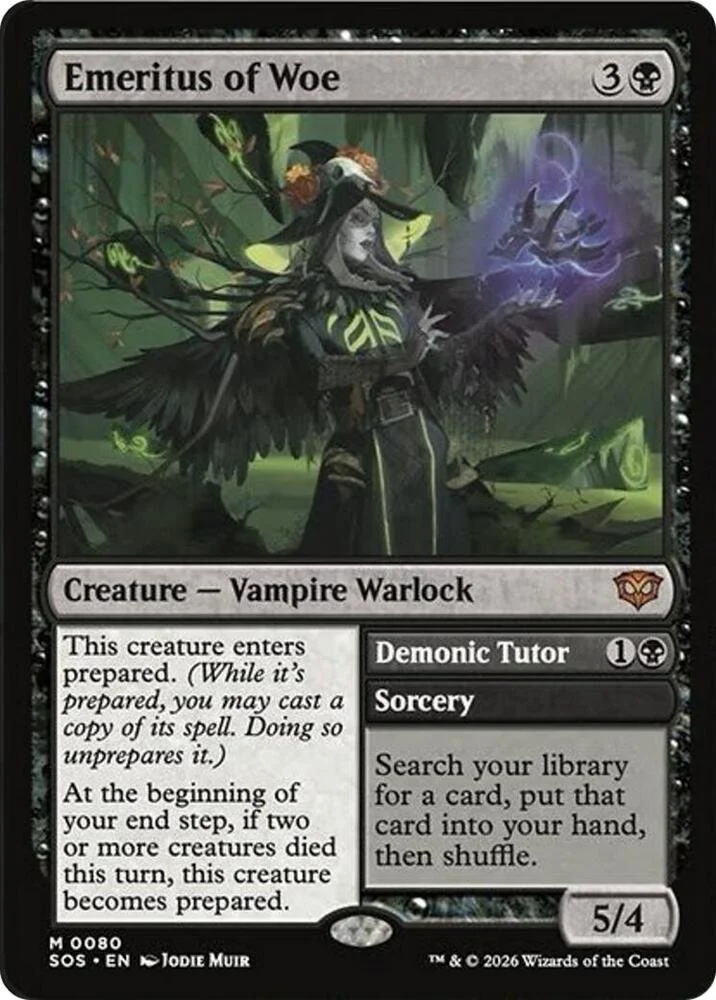
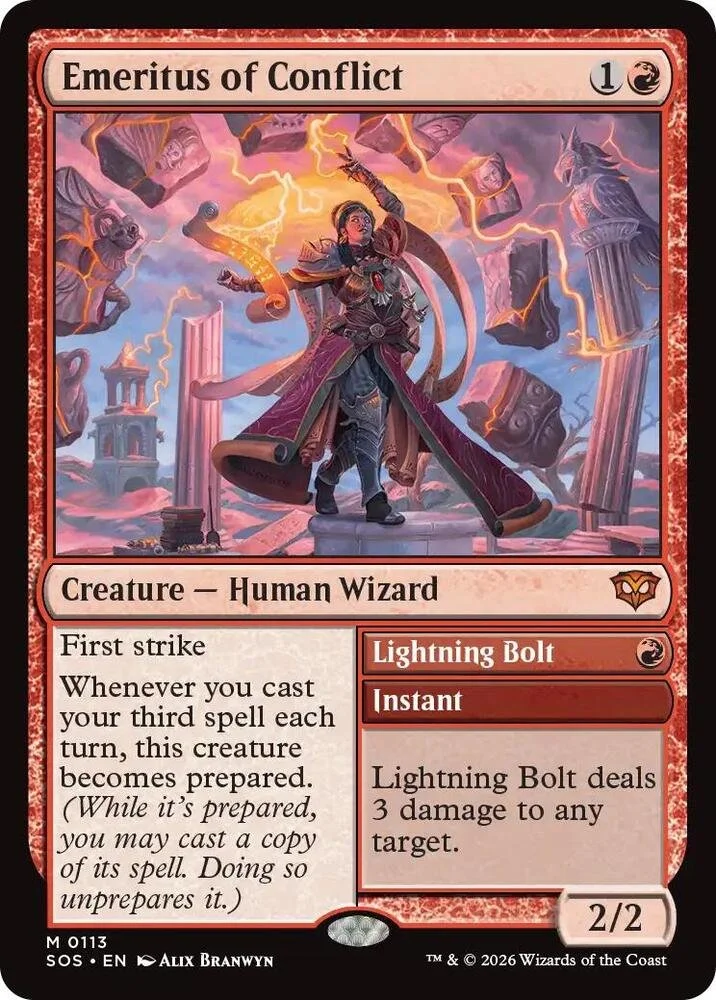
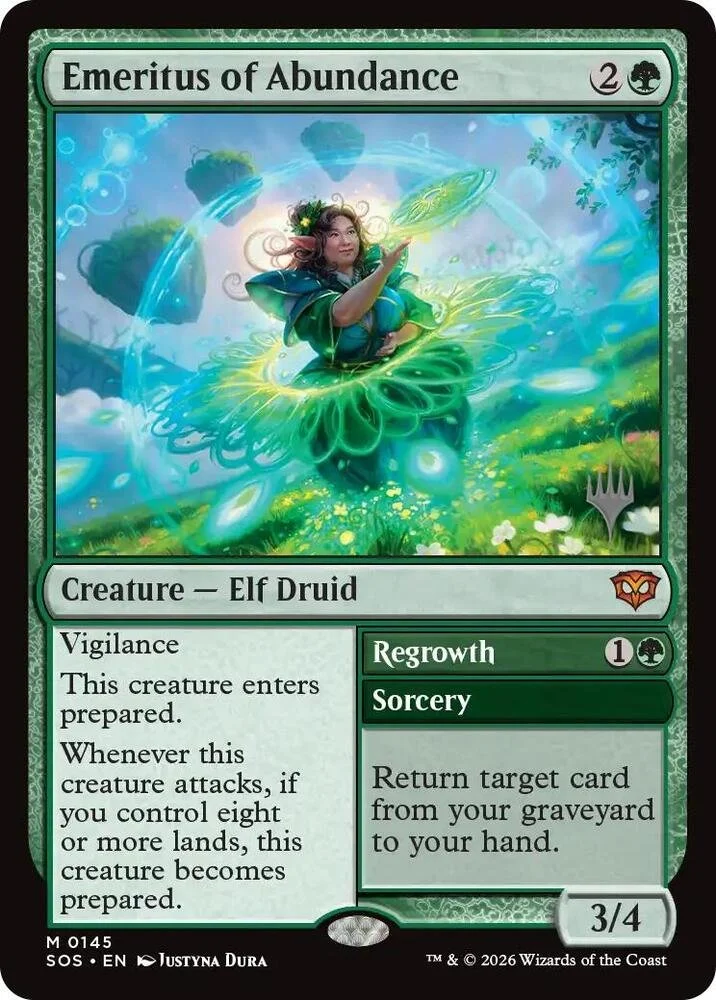
Prepared is easily one of my favorite new mechanics of the year, and honestly, one of my favorite new mechanics in general. It is incredibly thematic, and it works wonderfully within the Strixhaven setting.
Creatures with Prepared either enter the battlefield prepared, have a condition you need to meet in order to prepare them, or sometimes both. Once prepared, those creatures give you access to a spell. Some of these are brand-new effects, while others are familiar spells we already know and love, like Reanimate or even Ancestral Recall. Yes, there are essentially Game Changers on creatures, and yes, it’s as cool as it sounds.
I think Prepared works for a few big reasons.
First, it fits the flavor perfectly. Of course students, professors, and magical creatures at Strixhaven would have spells they’re learning, practicing, or waiting to unleash. The mechanic actually feels like studying and preparing magic before casting it.
Second, it is genuinely powerful. From a deck-building perspective, Prepared creatures can function as both a creature slot and a spell slot. If you’re building a Commander deck and you’re running low on space, these cards can help bridge that gap. You get a body on the battlefield and access to an instant or sorcery-style effect later.
Third, the mechanic seems to have proper limitations. If a card has an extremely powerful prepared spell, it usually comes with a one-time use restriction or a hefty Prepare cost. The Mythic Emeritus cards are the obvious examples here. They’re strong, but they aren’t just free value with no work involved.
Prepared is the kind of mechanic I really hope we see again. It adds flavor, creates interesting gameplay choices, and gives deck builders a new kind of puzzle to solve.
Paradigm
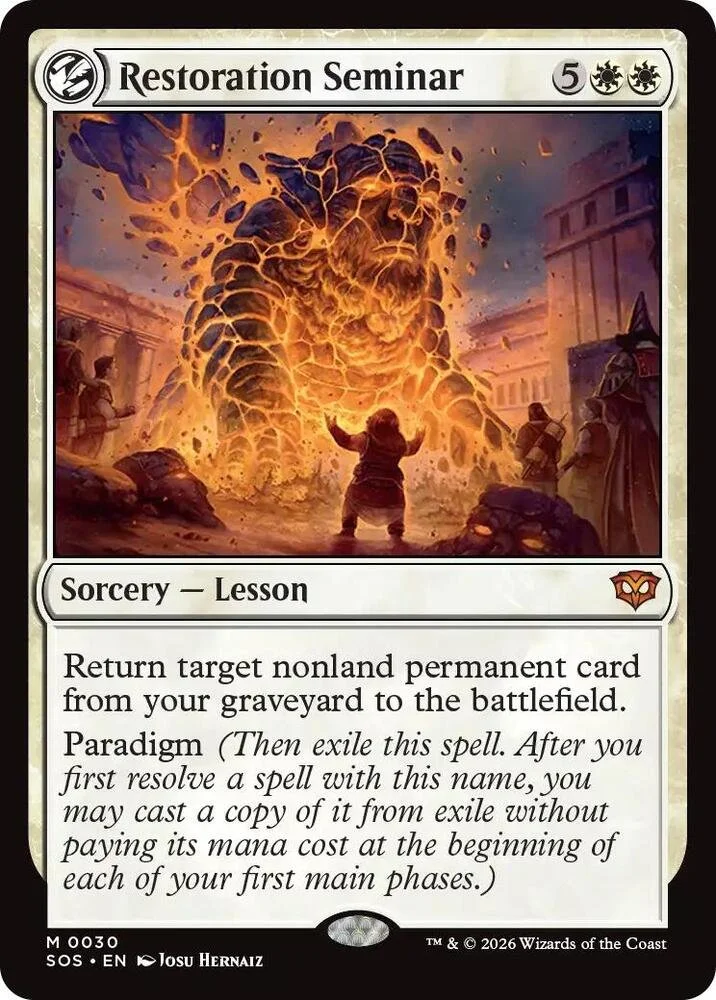
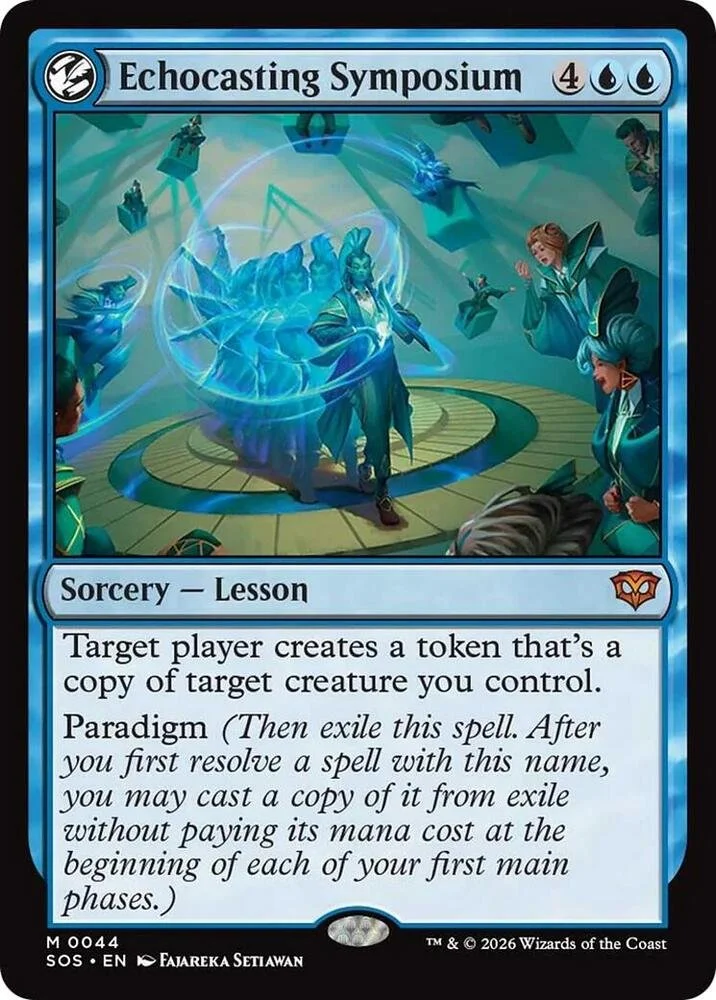
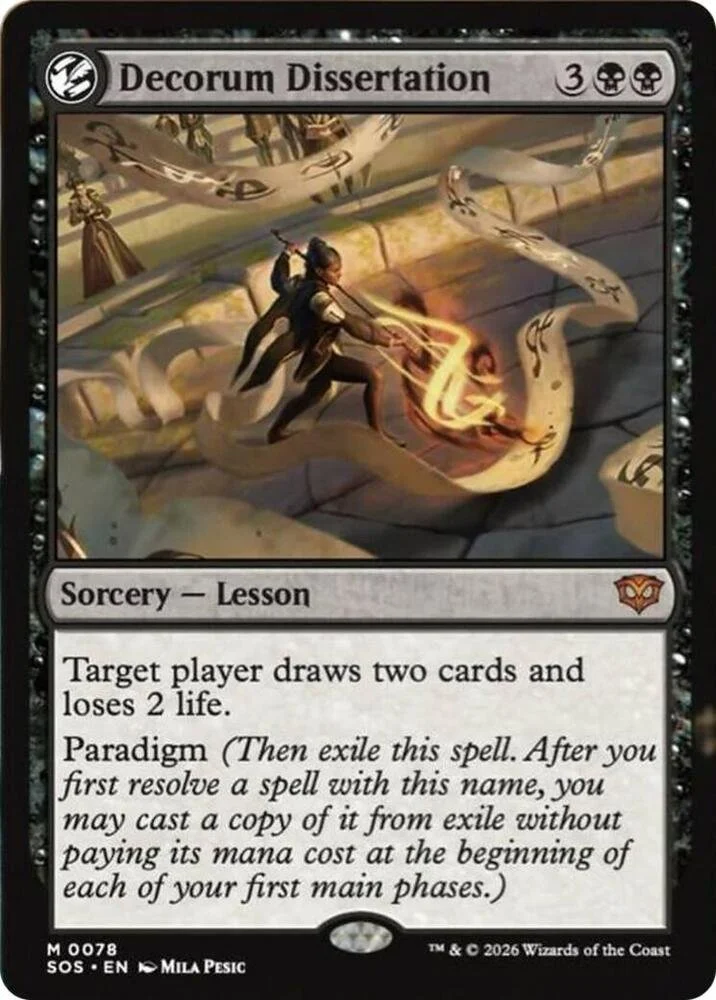
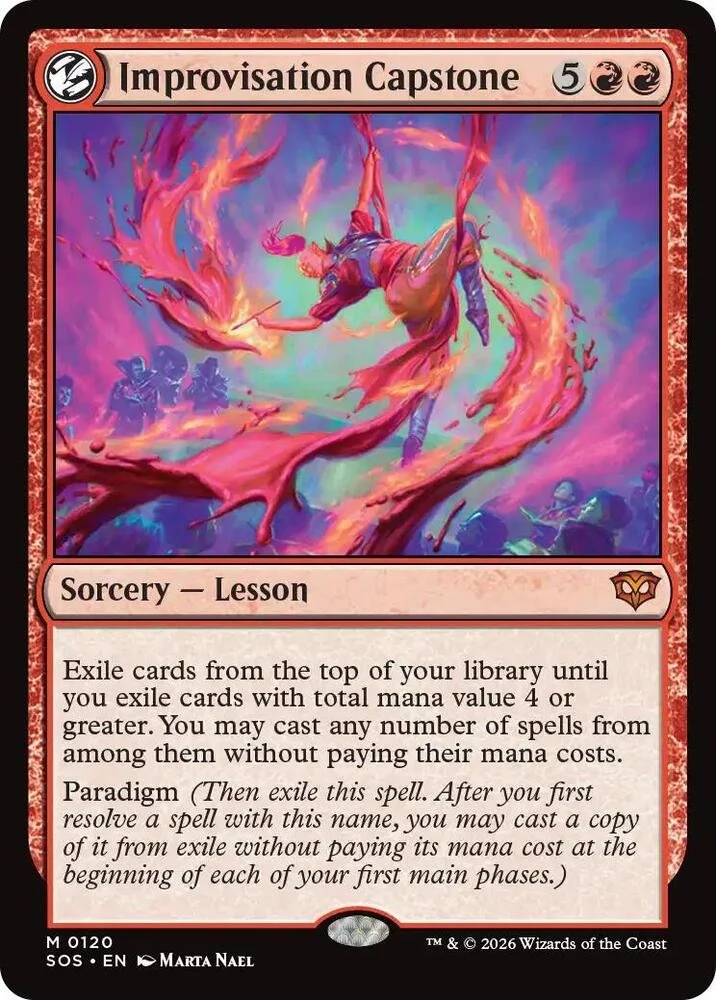
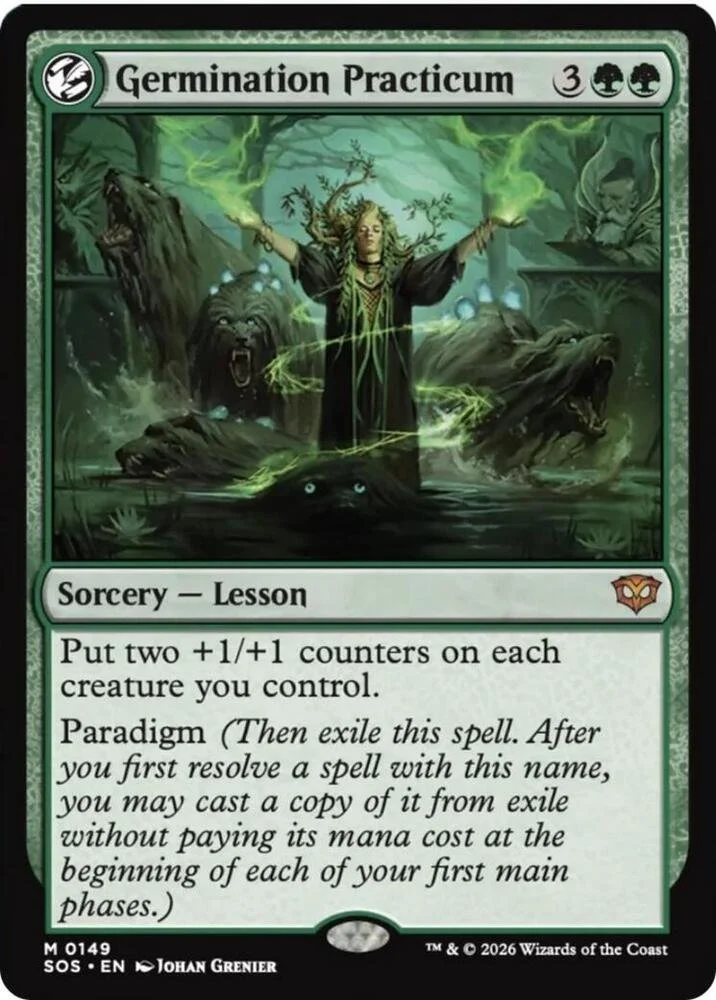
Paradigm is another non-school-locked mechanic, and this one is extremely powerful. It only appears on five cards, one in each color, and honestly, that feels like the right call. If this mechanic showed up too often, it could easily become overwhelming.
The easiest way to think about Paradigm is that it gives you a free spell every turn for the rest of the game. If you cast a spell with Paradigm and it resolves, then on each of your upkeeps, you may cast a free copy of it.
That is obviously a huge deal.
Some Paradigm cards are stronger than others, but all five feel like they have a real place in the game. Every time I see one hit the battlefield in Draft, it immediately feels like the clock is ticking. If the opponent can’t answer it quickly, the repeated value usually takes over.
I also think these cards are going to become Commander staples. Free repeatable spells are exactly the kind of effect Commander players love, and I already plan on adding each of them to their respective Commander precon. They feel splashy, powerful, and memorable without being something that completely overtakes the entire set.
Flashback
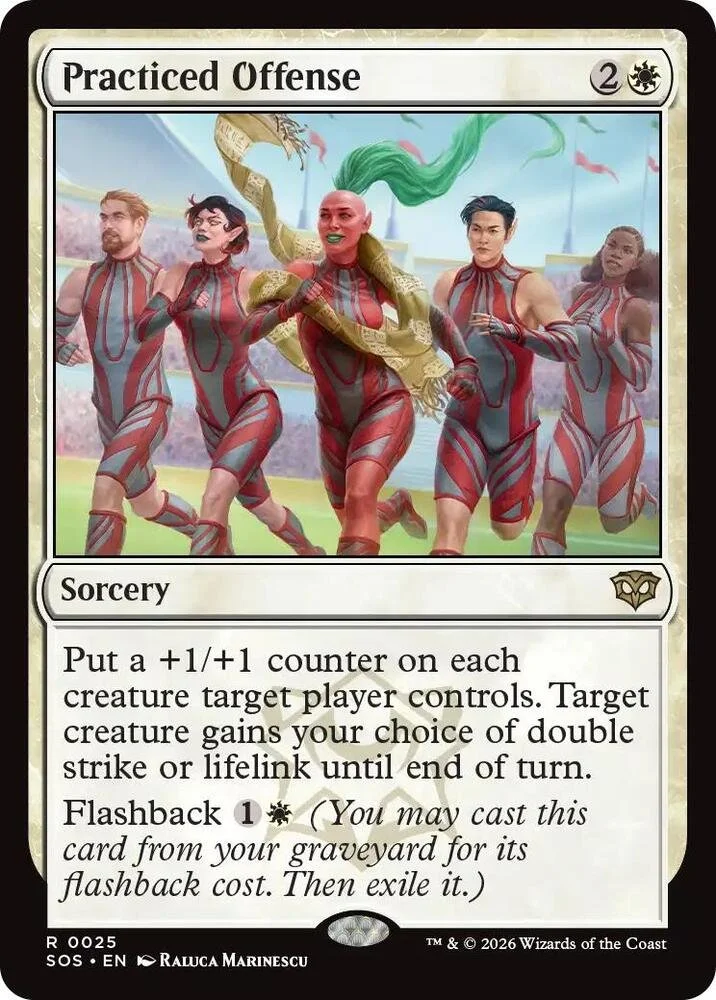
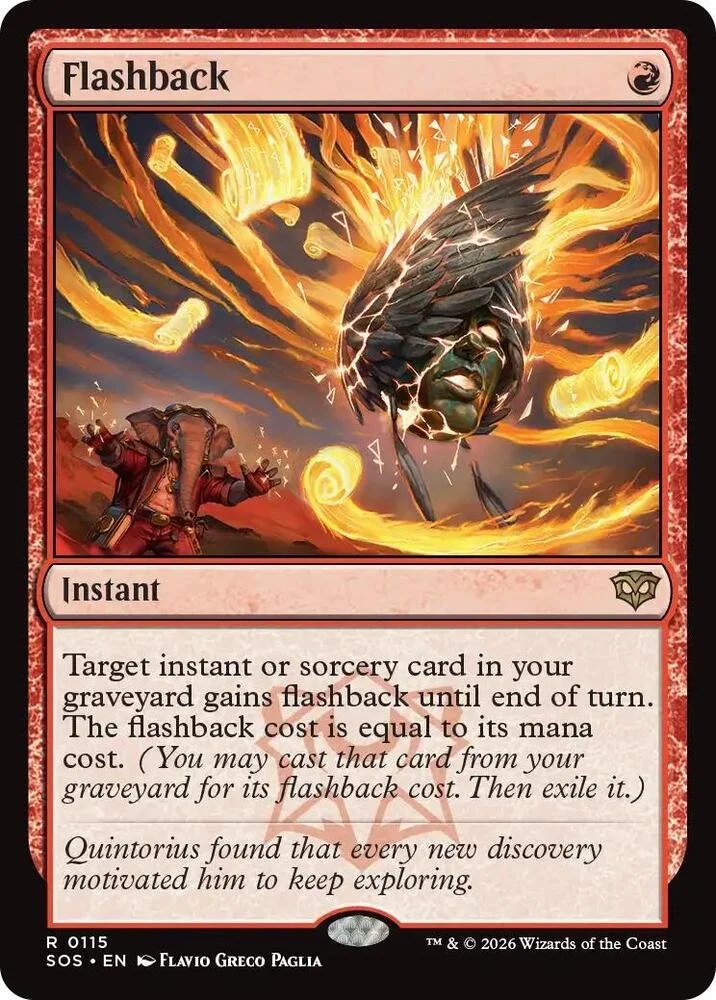
Flashback is the mechanic tied to Lorehold, and it makes perfect sense both thematically and mechanically. Lorehold is all about history, spirits, archaeology, and learning from the past, so a graveyard-based spell mechanic fits the school perfectly. It’s also the only returning mechanic so it’s fitting that Lorehold is the school to do so.
Most Magic players should know Flashback by now. It allows you to cast a spell from your graveyard for its Flashback cost, giving your cards a second life after they’ve already been used.
It’s not the flashiest mechanic in the set, but it is reliable, familiar, and useful. It also plays well with the kind of long-game value Lorehold wants to create. You’re not just casting spells once and moving on. You’re digging into the past and getting extra use out of your resources, which is exactly what Lorehold should be doing.
Increment
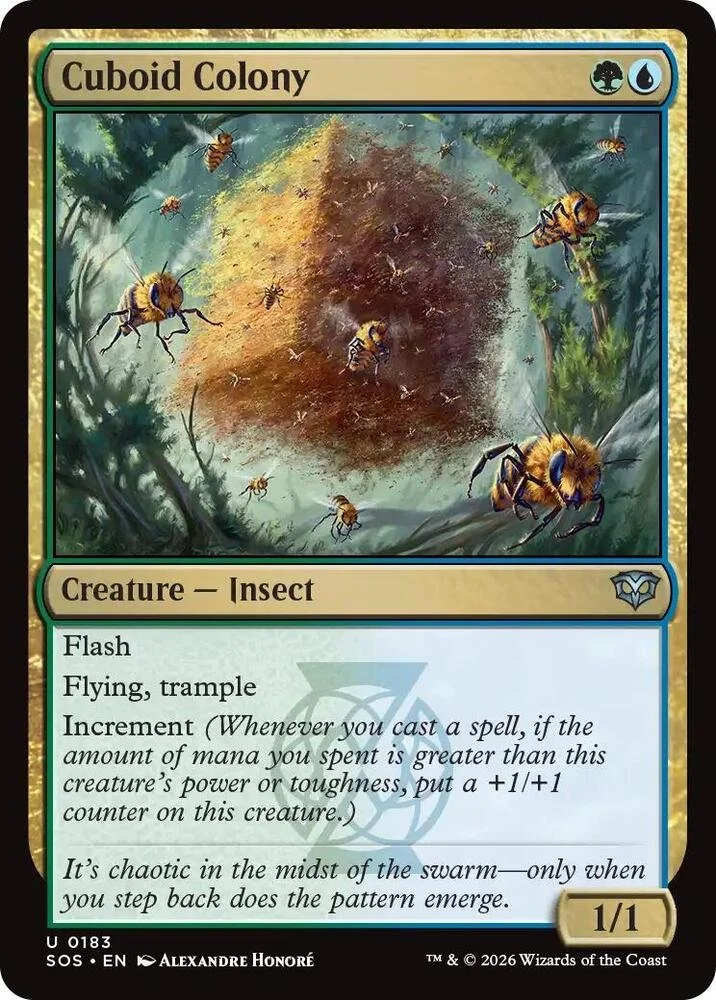
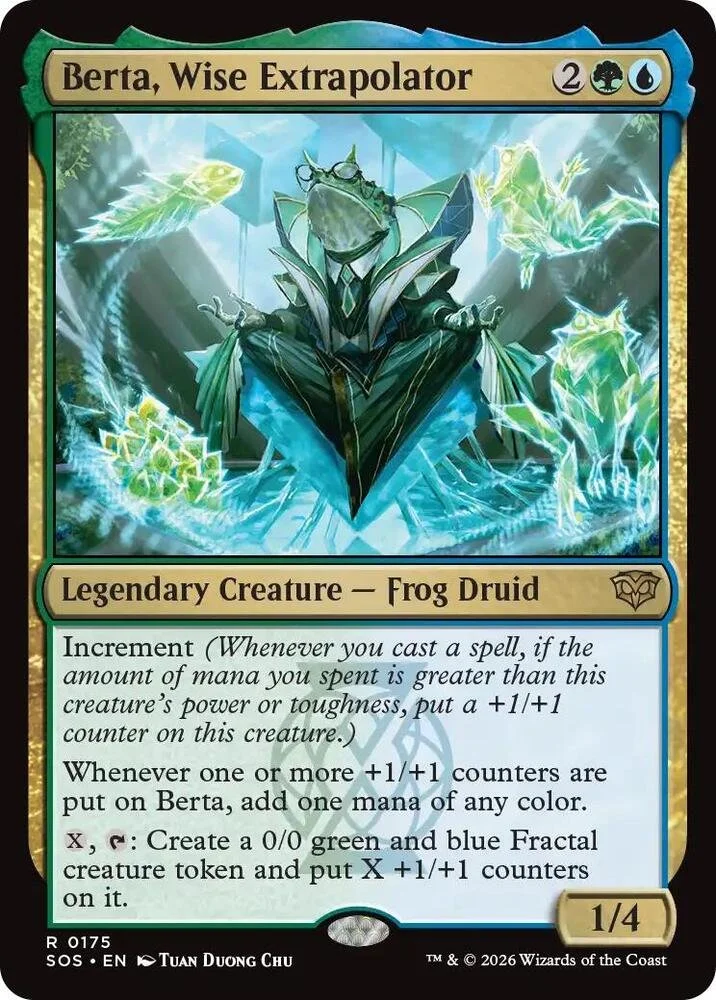
Increment is one of the mechanics I ended up liking the most. It reminds me a bit of Evolve, but with a more mathematical twist. Instead of simply checking whether a creature has greater power or toughness, Increment cares about whether the amount of mana you spent is greater than the creature’s power or toughness.
That makes it feel perfect for Quandrix. This is the math college, after all, and Increment turns the act of casting spells into a numbers game. You’re constantly thinking about mana value, board stats, and the best order to play your cards.
What I really like about Increment is that it rewards careful sequencing. You don’t just jam your spells whenever you can. You start thinking about how to maximize your triggers and how to grow your board efficiently. It gives Quandrix a very clean mechanical identity while still feeling interactive and fun.
Infusion
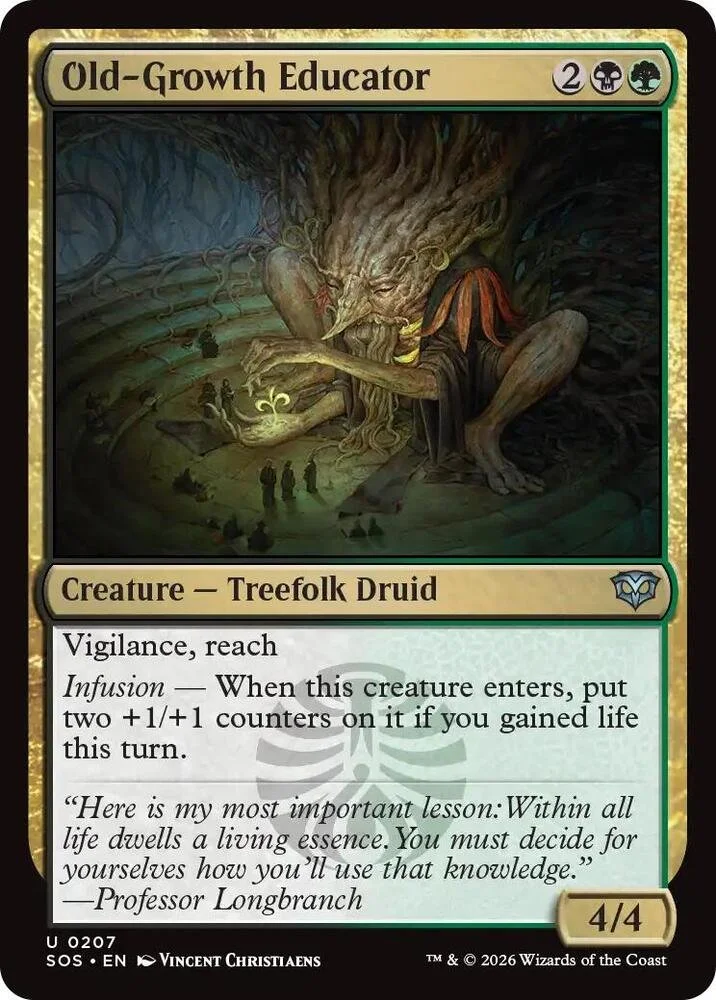
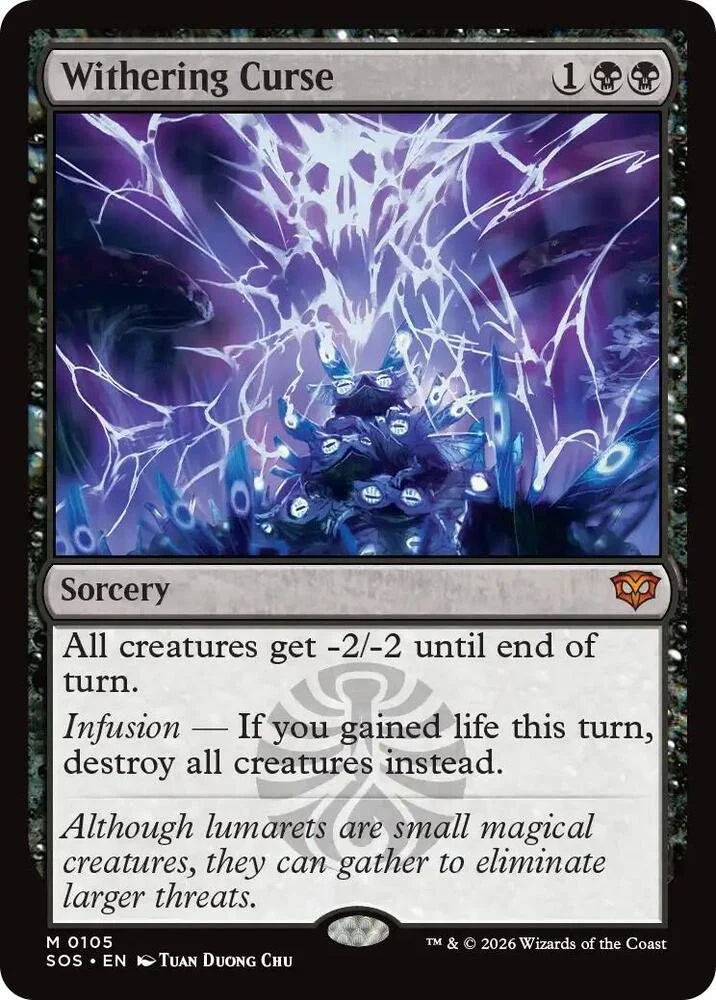
Infusion is the lifegain-matters mechanic for Witherbloom, and it’s fairly simple. When you gain life, your Infusion cards trigger and give you some kind of bonus.
In Witherbloom, this is incredibly easy to turn on. That school naturally wants to gain life, drain opponents, sacrifice creatures, and create little value loops. Because of that, Infusion usually feels active almost every turn.
It may not be the most complicated mechanic in the set, but it doesn’t need to be. Witherbloom has always been about the relationship between life and death, and Infusion captures that well. You gain life, you use that life as a resource, and your board slowly becomes more threatening.
Opus
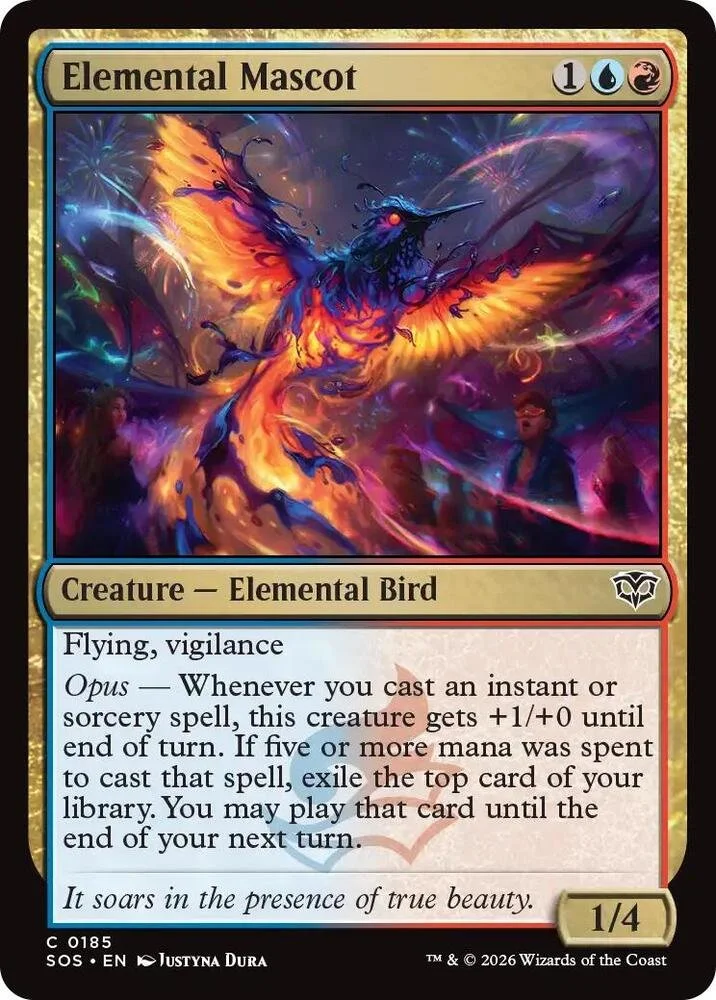
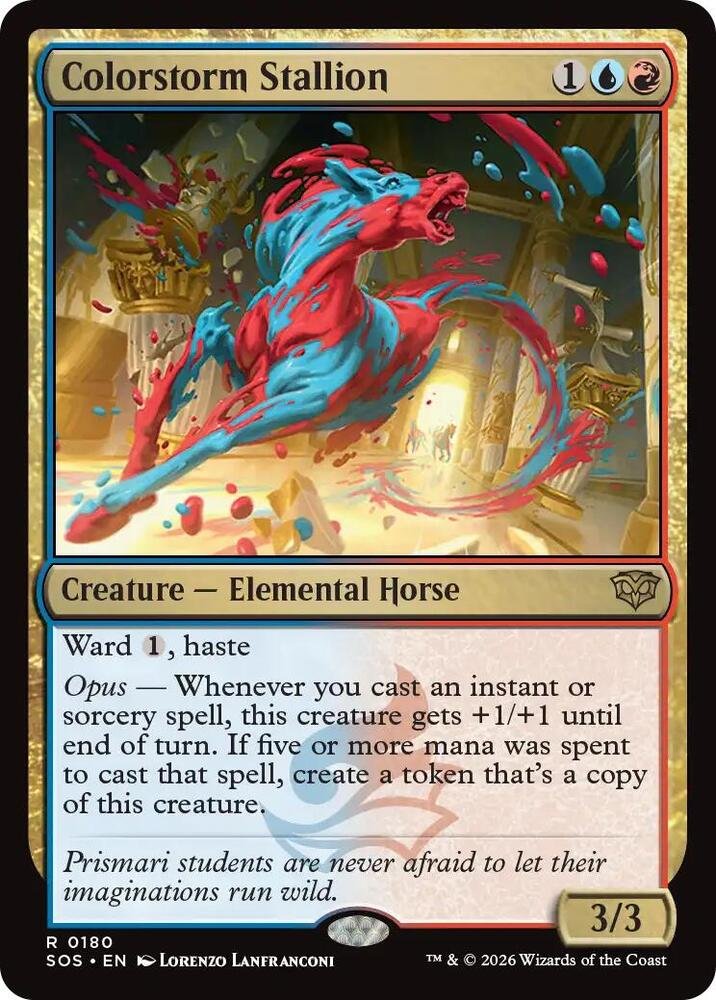
For Prismari, we get Opus, which is a new take on the “expensive spells matter” style of gameplay. Opus triggers whenever you cast a spell, but it gets upgraded whenever you cast a spell that costs five or more mana.
I like this mechanic because it gives Prismari a sense of progression. You still get rewarded for casting spells throughout the game, but the bigger, flashier moments feel more impactful. That fits Prismari perfectly. This is the school of magical performance, expression, and explosive creativity, so of course it wants big spells that feel dramatic.
It also helps Prismari feel a little different from the usual Izzet spellslinger deck. Instead of only rewarding you for casting a bunch of cheap spells in one turn, Opus encourages you to build toward larger plays. It still feels like spellslinger, but with a heavier emphasis on spectacle.
Repartee
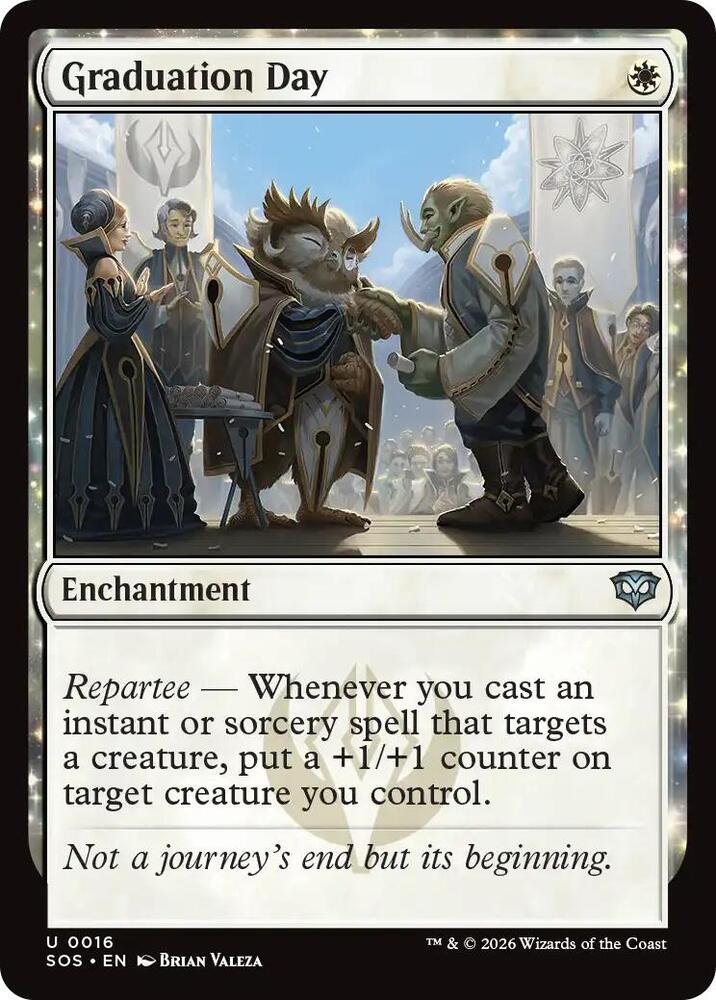
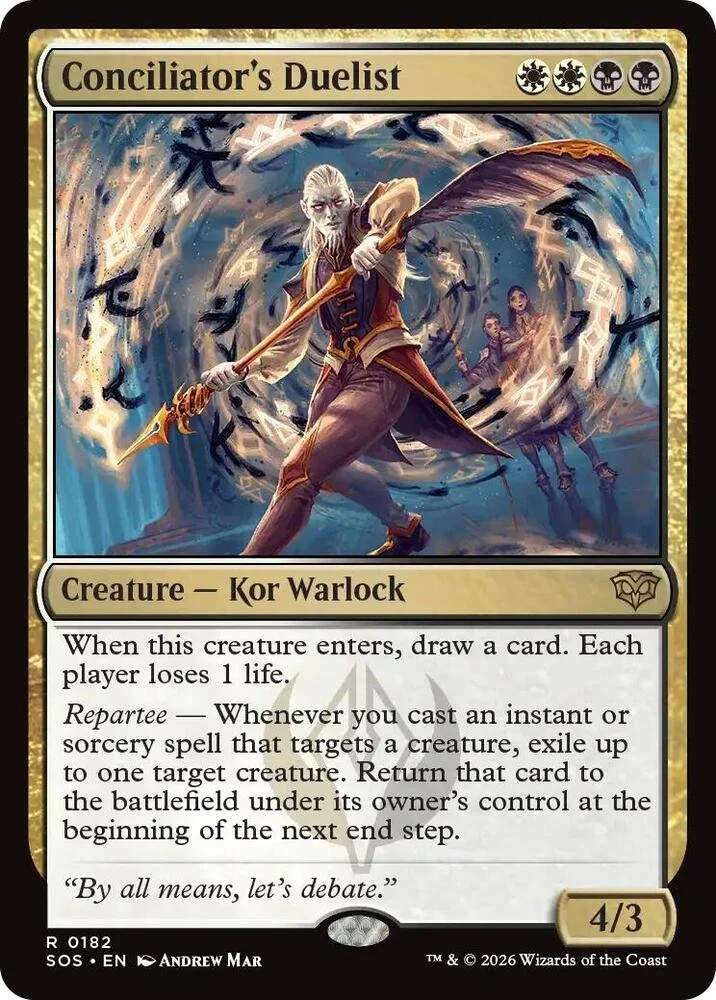
Repartee is probably the simplest of the school mechanics. Silverquill gets this ability, and it triggers whenever you cast a spell that targets a creature.
That’s it. No complicated conditions, no upgrade path, and no graveyard setup. You target a creature, and Repartee rewards you.
While it may be the simplest mechanic, I actually think that works for Silverquill. The school is all about words, influence, performance, and sharp social maneuvering. Targeting creatures with spells feels like you’re directing attention, manipulating the board, and turning small interactions into political advantages.
It is not the most exciting mechanic on paper, but it plays cleanly and supports what Silverquill wants to do.
Favorite Mechanics
My favorite mechanics in the set are probably Increment and Prepared.
Increment gives Quandrix a smart, mathematical identity that feels very true to the college. It asks you to think about sequencing and numbers in a way that feels rewarding without being too complicated.
Prepared, though, is the mechanic I think has the most potential long-term. It adds so much flavor to the set, and it creates a new kind of deck-building challenge. I love that these creatures can function as spells while still having bodies on the battlefield. It feels powerful, flexible, and very Strixhaven.
I really hope Prepared comes back in the future, especially if we ever return to Strixhaven again.
What Is The Best Product To Buy For Secrets of Strixhaven?

For Secrets of Strixhaven, I think the best product to buy is a Booster Box and at least one Commander precon.
The Booster Box is great if you want to experience the set through Draft, which I think is one of the better ways to appreciate how the school mechanics interact. This set has enough mechanical variety that Draft feels interesting, especially when you start seeing how each college plays differently.
For a more casual pick-up-and-play experience, the Commander precons are the way to go. My personal recommendation is Silverquill Influence. It’s surprisingly fun, plays better than I expected, and has become one of my favorite decks from the entire release.
If you’re only buying one thing, I’d probably lean toward the Commander deck that matches your preferred playstyle. But if you’re looking to really experience the set, a Booster Box and one precon is the best combination.
Secrets of Strixhaven Commander Precon Analysis

Secrets of Strixhaven gives us five Commander precons, each built around one of the five colleges. The big thing that stands out to me is that all five are pretty solid out of the box. Some need more upgrades than others, and some are definitely easier to pilot, but none of them feel like a complete miss.
These decks seem focused on the pick-up-and-play side of Commander, which I really appreciate. You can open one, shuffle it up, and have a decent game without immediately feeling like you need to swap out half the deck.
Lorehold Spirit
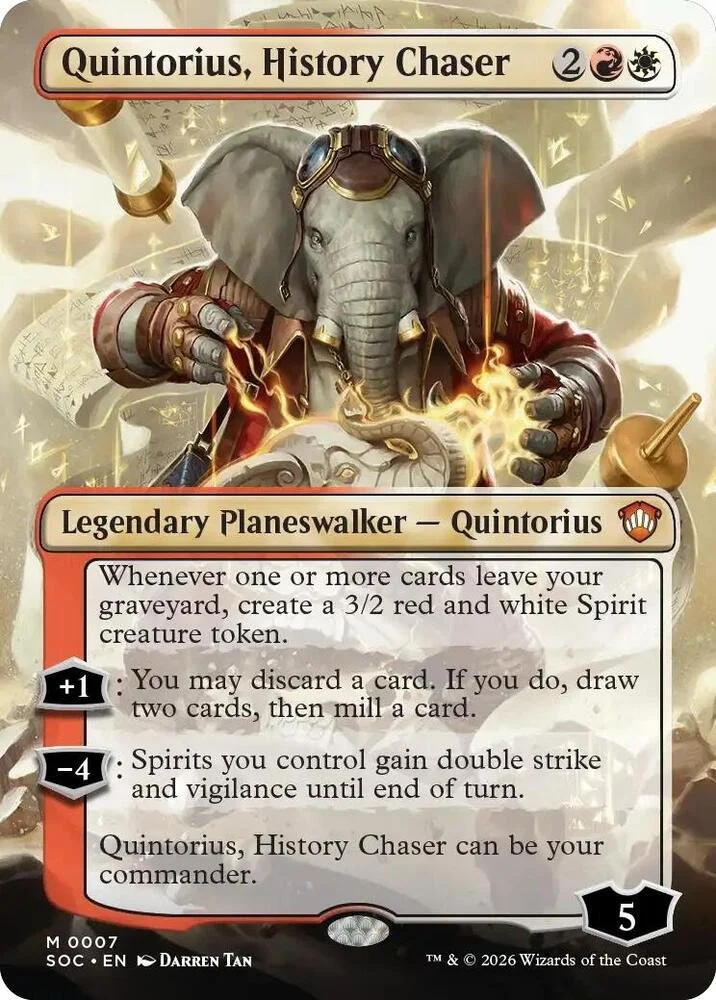

Lorehold Spirit is probably the least beginner-friendly of the five decks. There are a lot of triggers to manage, and the deck asks you to pay close attention to your graveyard, your board state, and the timing of your plays.
That being said, I don’t think the deck is bad at all. It just needs a little more work than some of the others. Adding a few cards from the main set can push it forward pretty quickly, and once you tighten up the list, it has a lot of potential.
Lorehold Spirit lands around number three for me. I like what it’s trying to do, and I think experienced players will probably get more out of it than beginners. It just isn’t the easiest deck to hand to someone who wants a simple first Commander experience.
Prismari Artistry
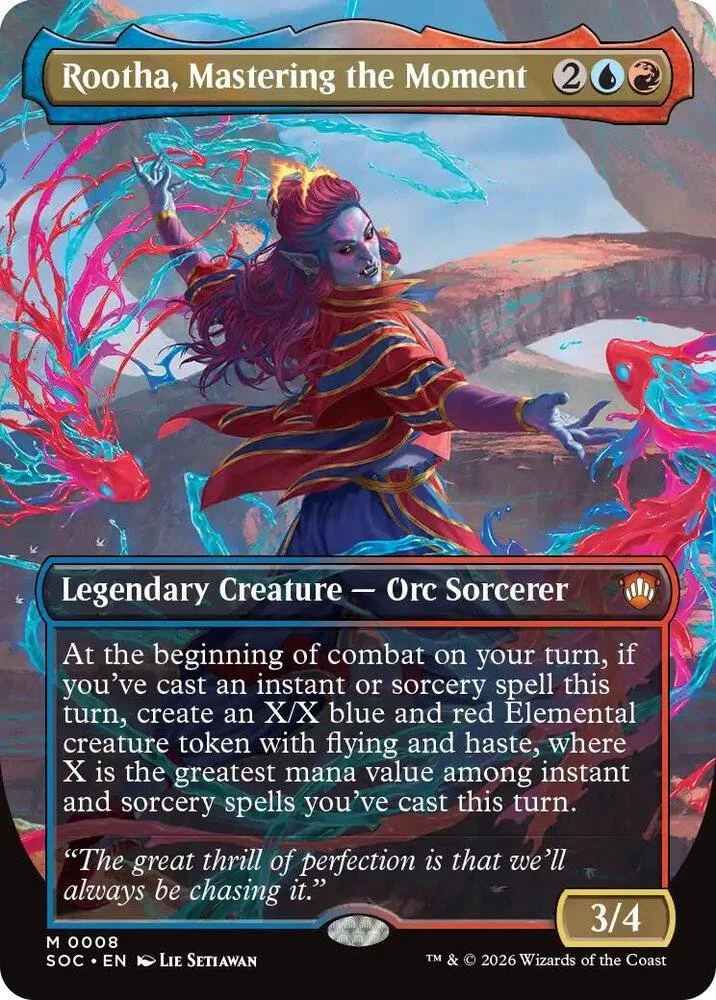
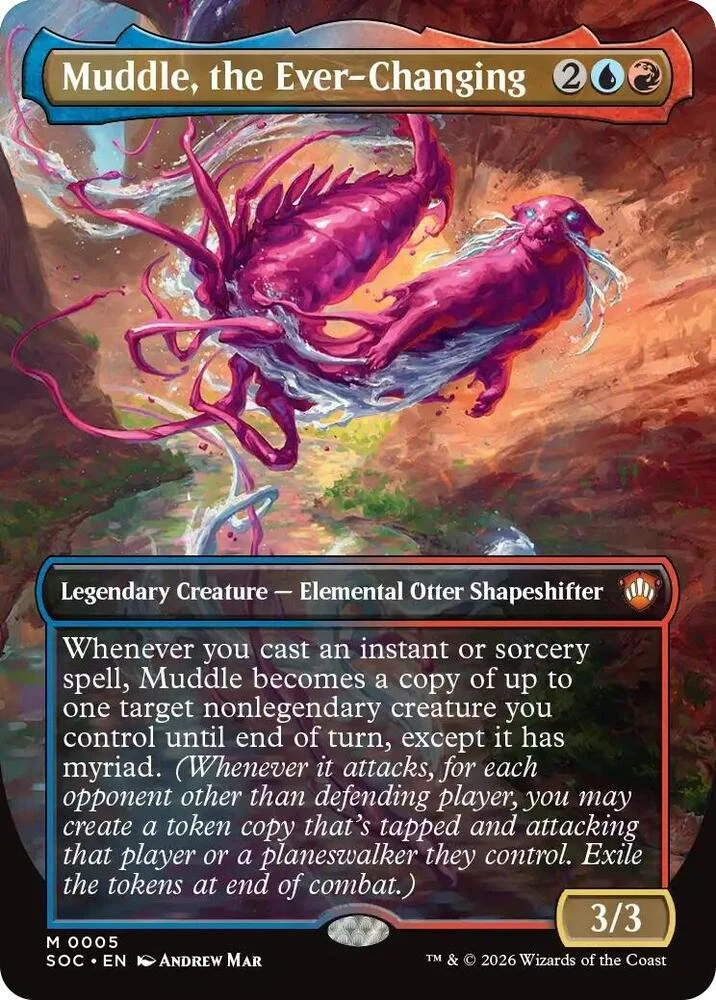
Red-blue is spellslinging again. Shocking, I know.
To be fair, Prismari Artistry does try to approach spellslinger in a slightly different way. Instead of focusing on casting a flurry of small spells, this deck works better when you’re casting one big, dramatic spell each turn. That fits the Prismari theme well and gives the deck a slightly different rhythm than the average Izzet spellslinger list.
The problem is that, at the end of the day, it still feels like Izzet spellslinger. It plays well out of the box, and it is very easy to upgrade because red-blue has an endless amount of spell support in Commander. You can add almost anything that says “instant,” “sorcery,” or “copy target spell,” and the deck will probably still function.
That makes it a good deck, but not the most exciting one for me personally. Prismari Artistry is probably my least favorite of the bunch, not because it plays badly, but because it feels the most familiar.
Quandrix Unlimited
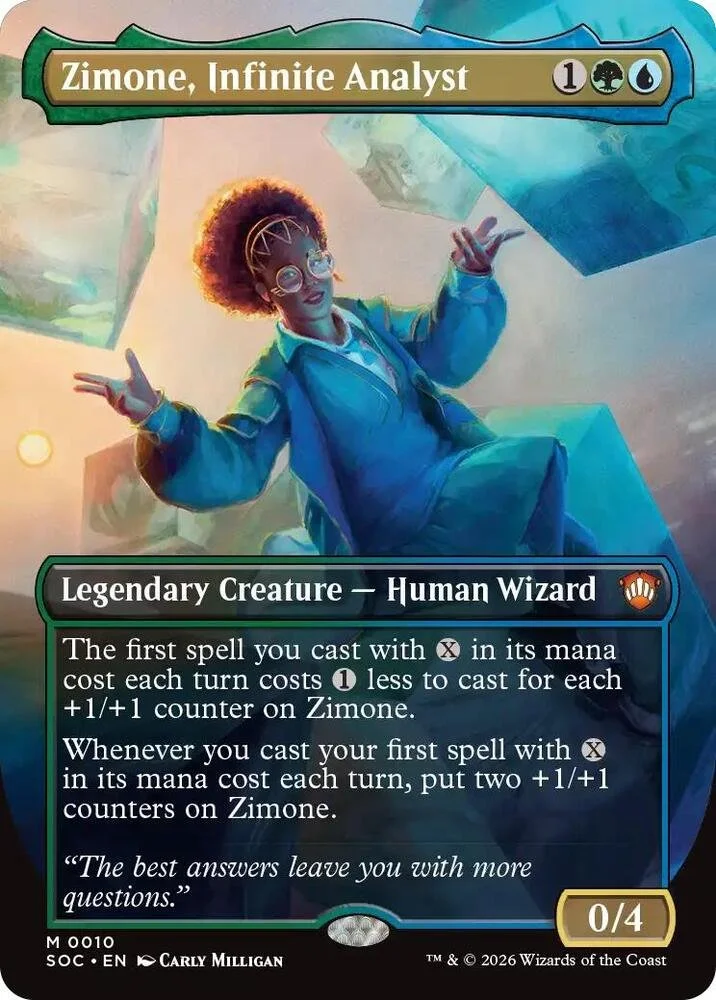
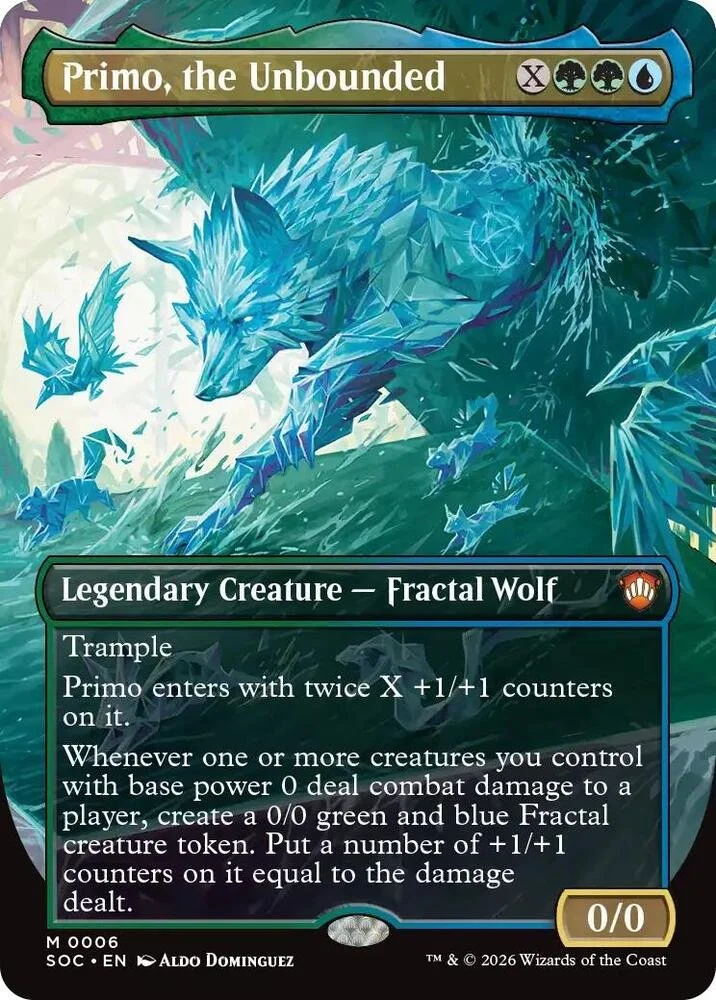
Quandrix Unlimited is all about X-cost spells and, most importantly, Hydras.
Hydras are my favorite creature type in Magic, so this deck already had a head start for me. Thankfully, it actually plays really well out of the box. The game plan is clear, the cards work well together, and it does a great job of making you feel like you’re building toward bigger and bigger threats.
I do think the mana base could use some work, especially because X-spell decks really want to hit their land drops and ramp smoothly. But outside of that, true upgrades aren’t absolutely necessary right away. The deck already does what it wants to do.
This is my second favorite of the five. It’s fun, straightforward without being boring, and it has a lot of upgrade potential for players who want to lean even harder into Hydras or massive X-spells.
Silverquill Influence
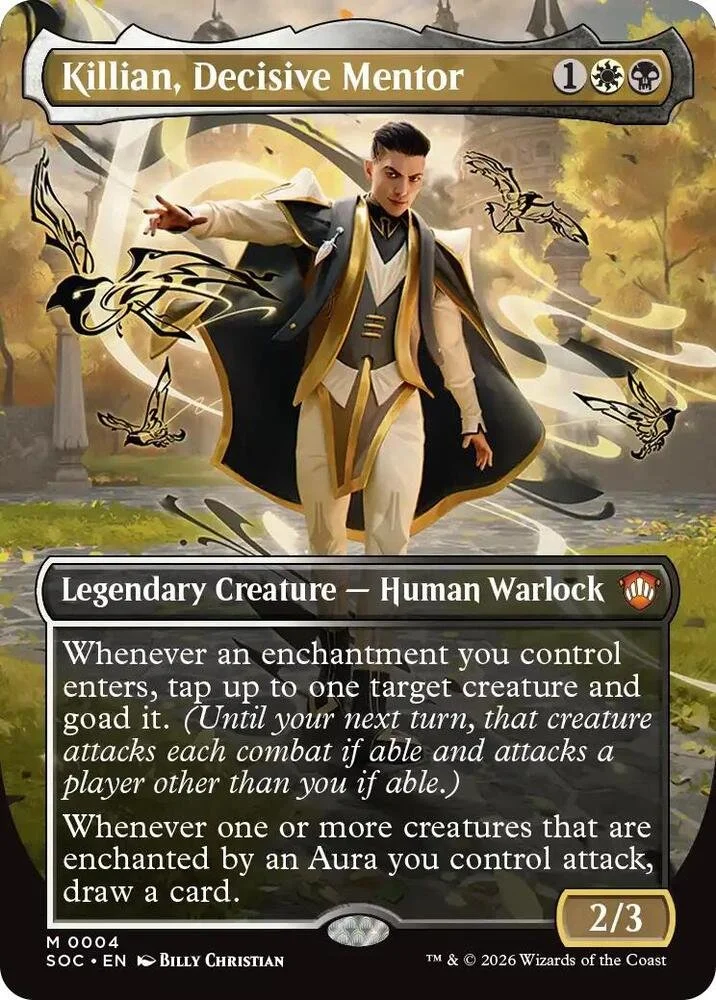
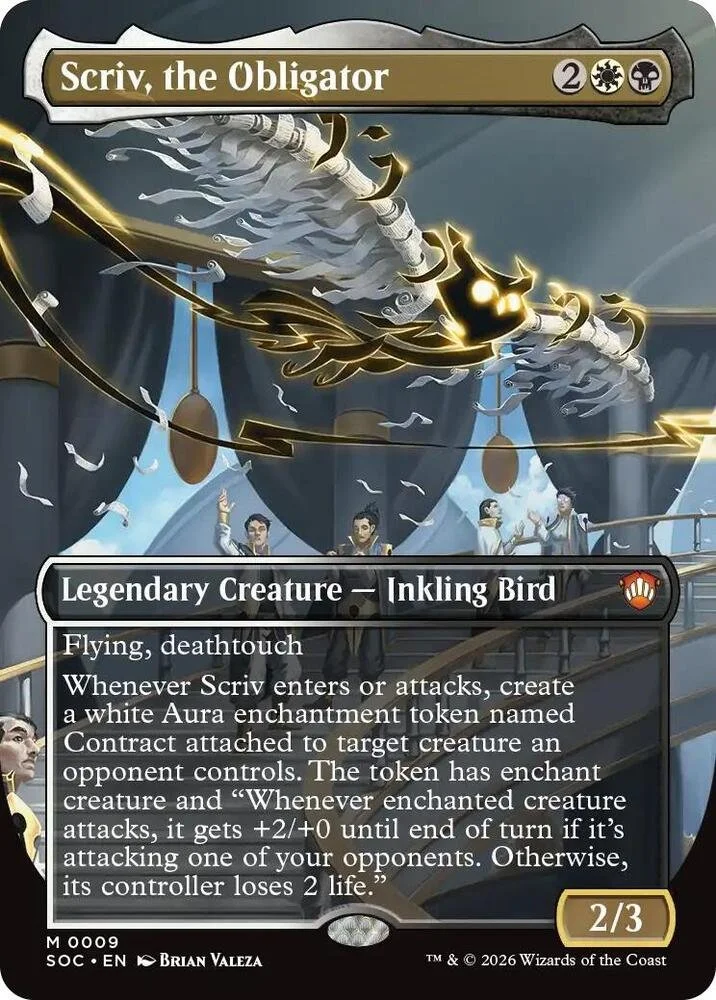
I was immediately skeptical of Silverquill Influence. A goad-focused precon sounded way too ambitious to me. Goad can be fun, but it can also be awkward if the deck doesn’t have enough ways to protect itself or actually capitalize on the chaos it creates.
Thankfully, this deck runs way better than I expected.
Out of the box, Silverquill Influence is extremely fun to play. It does a great job of pushing the table into combat while letting you sit back and influence how the game develops. It feels political without being too passive, and it creates a lot of memorable Commander moments.
I added around 10 cards to the deck, and it immediately started running even better. The core is already strong, so a few focused upgrades can go a long way. This has become one of my favorite decks to play, and it is easily my favorite of the five Strixhaven precons.
Silverquill Influence surprised me in the best way possible.
Witherbloom Pestilence
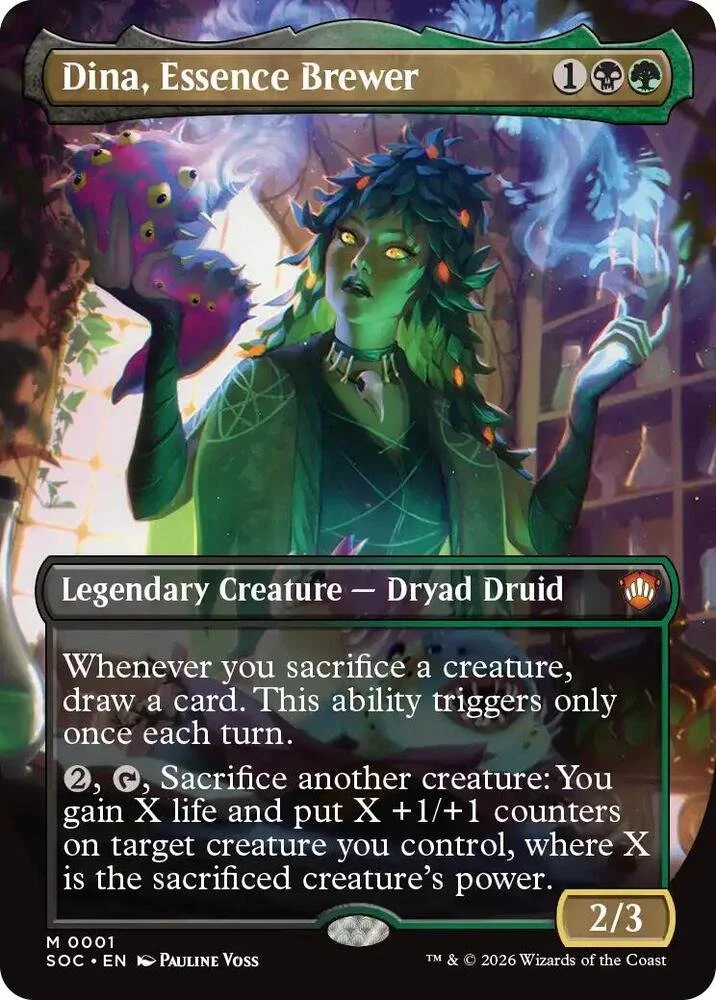
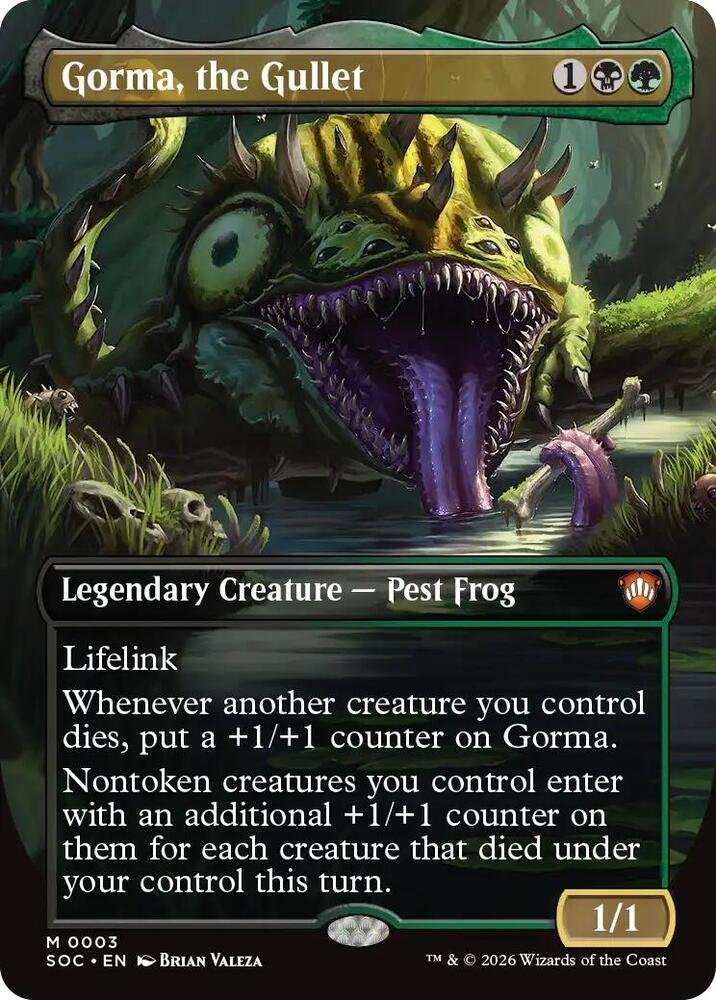
Witherbloom Pestilence is probably the easiest deck to pilot. Most of the time, you can play your cards in the order you draw them, gain life, drain your opponents, and eventually build up a board full of scary creatures.
That simplicity is not a bad thing. In fact, I think it makes this one of the better beginner-friendly options from the set. The deck’s game plan is very clear, and it rewards you for doing things Witherbloom already wants to do.
It functions really well out of the box, but it could definitely use some upgrades if you want to turn it into a true powerhouse. I personally see a lot of the cards in this deck as building blocks for other decks rather than cards I would keep together forever. There are some great pieces here for life gain, sacrifice, aristocrats, and drain strategies.
Witherbloom Pestilence comes in at number four for me. That is not because I dislike it. I actually think it is a very solid deck. I just happen to like the other decks a little more, especially Silverquill, Quandrix, and Lorehold.
Best Cards From Secrets of Strixhaven
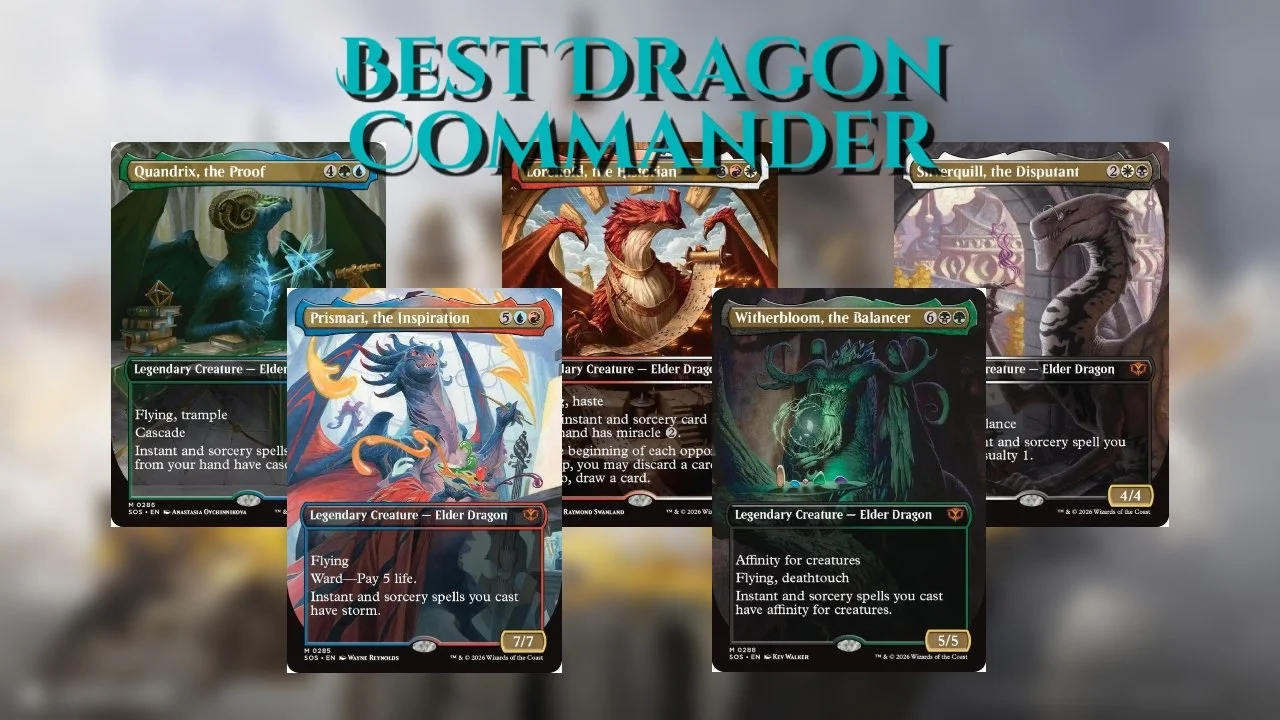
Let’s get the obvious ones out of the way first: all five Emeritus creatures, all five Paradigm sorceries, and all five Elder Dragons are very good. These are clearly some of the flashiest cards in the set, and most of them feel like they were designed to make an immediate impact in Commander, Limited, and possibly even constructed formats depending on the shell.
For the Paradigm spells, Improvisation Capstone feels like the best of the cycle overall. It is the kind of card that can take over a game quickly if it resolves, and once you start getting repeat value from it, your opponent has to find an answer fast. Restoration Seminar and Echocasting Symposium are still strong, but they feel a little more deck-specific. You need to build around them more intentionally to get the most out of them. Germination Practicum and Decorum Dissertation, on the other hand, feel like very solid general-use spells that can slot into a lot of different strategies without asking too much from the deck.
The Emeritus creatures are also absurdly strong. Emeritus of Woe is probably the best of the cycle, and I don’t think it’s particularly close. A repeatable Demonic Tutor on a creature is the kind of effect that is almost never going to survive a full turn cycle. The moment this card hits the battlefield, everyone at the table is going to know exactly how dangerous it is.
Emeritus of Ideation is also incredibly powerful. There’s a reason this creature has a serialized printing. A repeatable Ancestral Recall effect in a blue deck is ridiculous, especially in Commander where drawing three cards over and over again can bury the table in value. If this card gets even one or two activations, it can completely change the direction of a game.
Emeritus of Conflict is still a very good card, but it is probably the weakest of the cycle for me. A repeatable Lightning Bolt is nothing to ignore, especially when it can pick off creatures or pressure life totals, but compared to repeatable tutoring or card draw, it feels slightly less explosive. That does not make it bad by any means. It just shows how strong the rest of the cycle is.
As for the Elder Dragons, I already went deeper into which one I think is best in my Elder Dragon analysis article, but this cycle is another major highlight of the set. They feel big, splashy, and powerful in the way Elder Dragons should.
Outside of those obvious headliners, there are still a lot of standout cards worth talking about. The new planeswalker, Professor Dellion Fel, is one of the strongest cards in the set. He has a very solid mix of uptick and downtick abilities, but his ultimate is what really pushes him over the top. An emblem that essentially turns into Sanguine Bond is extremely powerful, especially in decks that are already built around life gain, draining opponents, or controlling the pace of the game.
Erode is another card that immediately stands out. White getting a new one-mana creature removal spell that can rival Swords to Plowshares is a big deal. Any time white gets efficient removal, Commander players are going to pay attention, and Erode feels like the kind of card that could become a staple depending on how often the drawback matters.
Flashback is also extremely strong. Giving any spell flashback for one mana opens up a lot of possibilities, especially in decks that already care about the graveyard. It feels particularly good in the Lorehold Spirit precon, where reusing spells and getting extra value from the graveyard is already part of the plan.
Then there’s Mathemagics, which might be one of the most fun and thematic cards in the entire set. It can either draw you a ton of cards or help deck somebody out, depending on how the game is going. That flexibility makes it interesting, but the flavor is what really makes it shine. It feels exactly like the kind of strange, clever, numbers-based spell that Quandrix should have access to.
Those are some of the best cards on paper, but what really stands out about Secrets of Strixhaven is how deep the set feels. There are a ton of strong cards here, whether you’re looking to get into Standard, upgrade an existing Commander deck, or build something entirely new. This does not feel like a set where only the mythics matter. There are powerful rares, exciting build-arounds, useful role players, and plenty of cards that are going to find homes in all kinds of formats.
If you take your time looking through the full card list, I guarantee you’ll find something that fits the kind of Magic you like to play.
Limited Draft And Sealed Environment Of Secrets of Strixhaven
Oh, how I’ve waited for this.
Last year’s Edge of Eternities and Avatar: The Last Airbender sets both had very fun Limited environments, and even Lorwyn was a fun Draft experience. However, each of those sets had some kind of balancing issue. It was not always enough to ruin the format, but you could usually feel it. There were certain colors, archetypes, or strategies that felt noticeably safer than others, and sometimes your first pack could make it feel like you were already behind if you did not open into the “right” lane.
Secrets of Strixhaven is the first set in a while where I have not felt locked out of a Draft just because my first pack didn’t point me toward the obvious meta deck.
This set has an extremely well-rounded Limited ecosystem. All five college archetypes feel properly supported, and each one has a clear game plan. That does not mean they are all perfectly equal, because there is always going to be some kind of hierarchy in Draft. Personally, I think Silverquill feels a tiny bit lower than the rest, but even then, it is nowhere near unplayable.
That is one of the biggest strengths of this Limited format. If your first pack has a really strong Silverquill rare, you are not immediately punished for taking it. Silverquill can still be extremely strong if you draft it correctly, and if the lane starts to dry up, you have real options. You can shift toward Abzan or lean into Witherbloom colors pretty naturally, and the deck can still function well.
That flexibility matters a lot.
The set does not have a massive amount of mana fixing, but it has enough structural balance that you do not feel completely trapped by your opening picks. You are not losing simply because the players next to you opened better cards in the “meta” color pair. Instead, Secrets of Strixhaven rewards you for reading the table, staying flexible, and understanding what each college is trying to do.
Draft also benefits from how different the mechanics feel. Quandrix wants you to think about mana, numbers, and scaling threats. Witherbloom rewards life gain and value loops. Prismari wants bigger spell moments. Lorehold uses the graveyard as a resource. Silverquill cares about targeting creatures and creating pressure through interaction. Because each school plays differently, Draft games do not all blur together.
Sealed is also in a pretty good place. Since the archetypes are well-supported and the power level feels spread out across the set, Sealed pools have more room for experimentation. You can build around your best rares, but you are not completely doomed if your strongest cards are spread across different schools. There is enough overlap between mechanics and colors that you can usually find a playable build.
For me, this is one of the better Limited environments Magic has had in a while. It has strong cards, but not so many format-warping cards that every game feels predetermined. It has clear archetypes, but not so rigid that you feel punished for trying something different. Most importantly, it feels like a Draft format where player decisions actually matter.
That is what I want from Limited, and Secrets of Strixhaven delivers.
Who Is Secrets of Strixhaven Good For?
Long story short: pretty much everybody.
That is not always something you can say about a Magic set, but Secrets of Strixhaven does a really good job of offering something for almost every type of player. If you are newer to Commander, the five precons are all solid starting points. Each one has a clear theme, a strong identity, and enough power out of the box that you can sit down and play without feeling like you immediately need to upgrade half the deck.
For Limited players, this is also a great set to keep in your Draft rotation. The environment feels balanced, the five schools all have playable identities, and you do not feel completely locked out of a draft just because your first few picks did not push you toward the “best” archetype. That makes Secrets of Strixhaven a really fun set for pods that like replayable Limited formats.
Collectors also have a lot to chase here. The five Emeritus cards, the Elder Dragons, and the special treatments all give the set some exciting high-end cards. I also haven’t even talked much about the Mystical Archive yet, which adds another layer to the set. There are some great reprints included, and the Japanese artwork versions are absolutely gorgeous. For players who like collecting unique versions of iconic spells, the Mystical Archive is one of the strongest parts of the product lineup.
I am still very excited for Reality Fracture, but right now, I think Secrets of Strixhaven has a serious chance to be the best Magic set of the year. It has strong gameplay, great flavor, fun Commander decks, a strong Limited environment, and enough collectible appeal to make it feel like a complete release.
What Does Secrets of Strixhaven Need To Be Better?
If there is one weaker part of Secrets of Strixhaven, it is the Codex Bundle.
The bundle itself is a really nice collectible piece, and I understand why a lot of players wanted it. The problem is that it was nearly impossible to get at a reasonable price. If you missed the initial window, there is a good chance you are now looking at paying a premium for it on the resale market.
That is unfortunate because this is the kind of product that should feel like a celebration of the set. Instead, it feels like something many fans were priced out of almost immediately. For collectors, that can be frustrating, especially when the product looks great but may not actually feel worth the inflated resale price based on what you get inside.
This does not ruin the set by any means, but it is the one part of the release that left me disappointed. Secrets of Strixhaven has so much going for it that I wish the Codex Bundle had been easier for fans to access. A special collectible product is always going to have some scarcity, but this one felt a little too difficult to get.
Final Thoughts
Secrets of Strixhaven is one of the strongest Magic releases of the year, and for me, it is a reminder of how exciting in-universe Magic can be when the setting, mechanics, and card designs are all working together. Strixhaven has always had one of the most flavorful identities in Magic, and this set builds on that in a way that feels both familiar and fresh.
The mechanics are a major highlight. Prepared is easily one of my favorite new mechanics in recent memory, and I hope it comes back in future sets. Increment gives Quandrix a smart and thematic identity, Paradigm brings some incredibly powerful spells to the table, and the school-specific mechanics help each college feel distinct without making the set feel overly complicated.
The Commander precons are also a huge win. All five are playable out of the box, and while I definitely have my favorites, none of them feel like a complete miss. Silverquill Influence surprised me the most and ended up being my favorite of the bunch, while Quandrix Unlimited gives Hydra fans like me exactly what we want.
Limited is another area where the set really shines. Draft and Sealed both feel flexible, balanced, and rewarding. There are stronger archetypes, of course, but the format does not feel like it punishes you for experimenting or adjusting your plan mid-draft. That makes Secrets of Strixhaven one of the more enjoyable Limited environments Magic has had in a while.
The only real downside for me is the Codex Bundle. It is a cool collectible idea, but the availability and resale pricing make it hard to recommend unless you can find it at a fair price. Thankfully, the rest of the set is strong enough that this does not drag the overall release down too much.
Overall, Secrets of Strixhaven feels like a love letter to Magic fans. It has powerful cards, beautiful treatments, fun Commander decks, a great Limited environment, and a setting that still has plenty of room to grow. I am excited for Reality Fracture, but Secrets of Strixhaven has set a very high bar. Right now, this might be my favorite Magic set of the year.
For more upcoming releases, be sure to check out our 2026 TCG and Tabletop Release Calendar so you can stay up to date on every major card game, board game, and tabletop release on the way.